

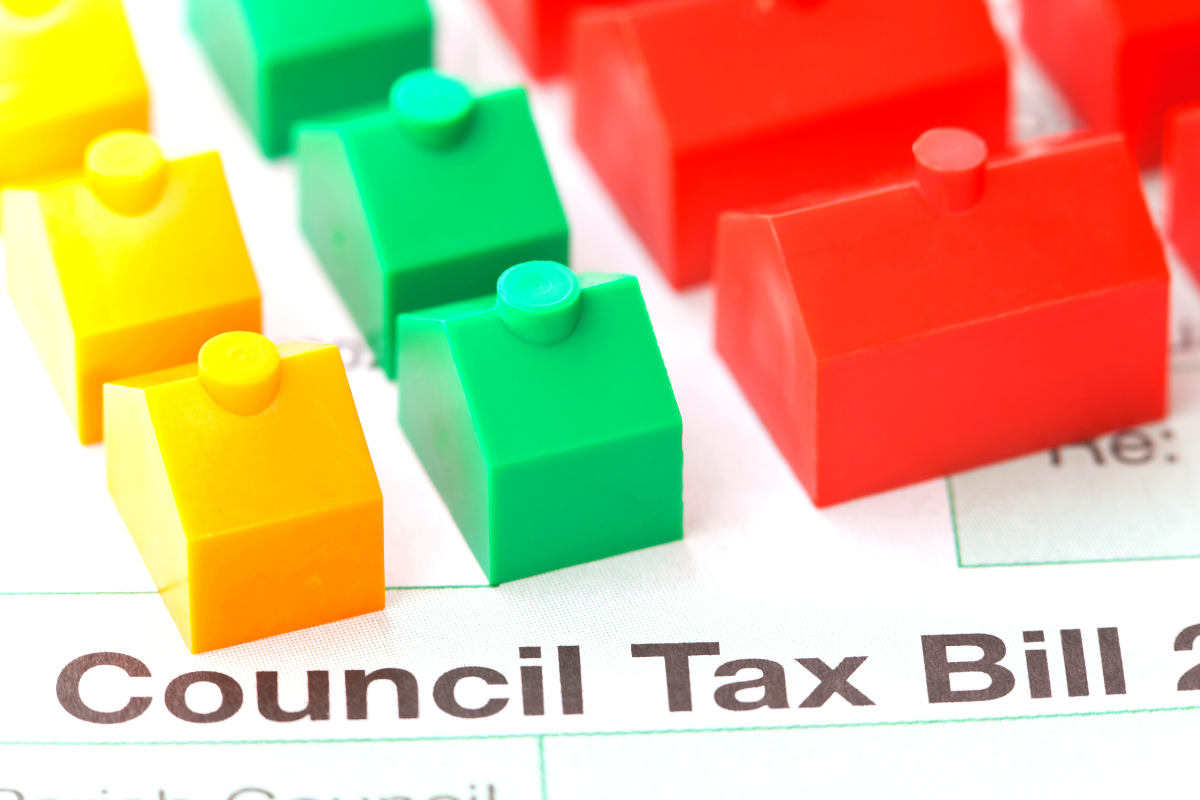
Residents across North Yorkshire are facing an increase in their household bills as North Yorkshire Council signals its intention to raise council tax by the maximum permitted level.
The proposal comes as the authority grapples with what has been described as a "disappointing" financial settlement from central government, which local leaders claim fails to account for the unique pressures of providing services in a vast rural county.
For a typical household in a Band D property, the proposed 4.99% increase—which includes a 2% precept dedicated to adult social care—would result in an annual hike of £96.78, or approximately £8.07 per month. This would bring the average Band D council tax level to £2,036.32 for the 2026/27 financial year.
The council’s leadership has expressed profound reluctance regarding the move. Councillor Mark Crane admitted that while he understands the public's frustration, the authority finds itself in a position where there are few other options to maintain essential services. He provided the following perspective on the situation:
"The amount of money the government has taken off of us. I'm sorry, but to lose over40 million pound the last couple of years, I do not see how they think we can do anything other than raise council tax by the maximum amount.
And I'll be honest, if the question had come to me as a member of the public, do you want the council tax to be raised? then my answer would be no.
And when I came into politics, it wasn't to raise council tax for people. In fact, quite the opposite. But we really had no choice. this year, but to raise it by 4.99%. And I'm afraid that we could be in a very similar position next year."
Councillor Crane further highlighted the disparity between rural funding and urban allocations, noting that the cost of delivering services across North Yorkshire is significantly higher than in metropolitan areas.
"Central government really needs to have another look at rural needs because anybody who thinks it doesn't cost more to run services in a rural location like ours versus let's say Walton Forest which is the area I grew up in frankly has never been outside London in their lives."
Councillor Gareth Dadd, the Executive Member for Finance explained that the cumulative impact of national policy changes and funding shifts has created a multi-million-pound deficit. He detailed the scale of the "wallop" the council has received:
"If we take into account the fair funding review, the loss of the rural services grant last year plus the net cost to this authority of the rise in employers national insurance contributions, we are looking at a 43 million pound wallop.
If we'd funded our spending power entirely by council tax, it would have equated to a 7% rise in council without any planned savings, I might add. Clearly, we can only fund it up to the maximum of 4.9 as the government have put that cap on it. So you can see immediately the problem that we're facing.
That's why we've got a savings programs of 56 million pounds over the next three years and why we are recommending the maximum council tax increase."
Gary Fielding, the council's Corporate Director for Strategic Resources also clarified the specifics of the provisional finance settlement, asserting that the council is facing a genuine cash reduction:
"The provisional finance settlement was disappointing for this council and resulted in 11 million pounds cash reduction.
But when you add in the new funding that's provided which has equal and opposite amount of commitments, the fair comparison is a 20 million pound reduction which is a starting position for this council and that is factual.
The 11 million pound cash reduction is the as per the information provided by government. We are clear that there is a cash reduction from government funding."
Despite these pressures, the council is continuing to plan for local investments, including an allocation of £1.1 million from reserves to support improvements at the Filey Brigg Caravan and Camping Site. However, the broader financial outlook remains challenging. Councillor Gareth Dadd, warned that the council must continue to find significant efficiencies to avoid depleting its reserves.
"We still face a£17 million shortfall next year and that will rise year 28-29 to about 25 million pound. So there is still more work to be done.
We hope to bring forward more savings that build upon the 68 million pounds worth of local government reorganization savings that we've planned or delivered so far."
While the council's finances are currently considered robust enough to avoid an immediate "section 114" notice—the local government equivalent of bankruptcy—officials have warned against complacency. Without the proposed council tax increase and further planned savings, the authority says it's strategic reserves could be fully depleted within the next few years.

 Scarborough's Alpamare Waterpark Expected to Be Sold to 'Protect Its Future' With Private Investment
 Bridlington Woman Arrested On Suspicion of Drink Driving
 Scarborough Extreme Brings Free Urban Sports To North Bay This Weekend
 Scarborough Athletic Begin FA Cup Campaign With Dunston Clash
 Classic Motorbikes Embark On Coast-To-Coast Challenge For Scarborough Hospice
 Pickering Man Jailed After Sex Assaults
 Bridlington Town Target Fourth Consecutive Victory In Silsden Clash
 Big Kick Off For Whitby Rugby Club
 Pickering Town Aim To Continue Winning Run
 Scarborough Hosts National Celebration Of Seaside Heritage And Coastal Culture
 Bus Passengers Promised Better Services As New Five-Year Plan Revealed
 Motorcyclist From Whitby Area Dies In Collision Near Fylingdales











Comments
Add a comment