

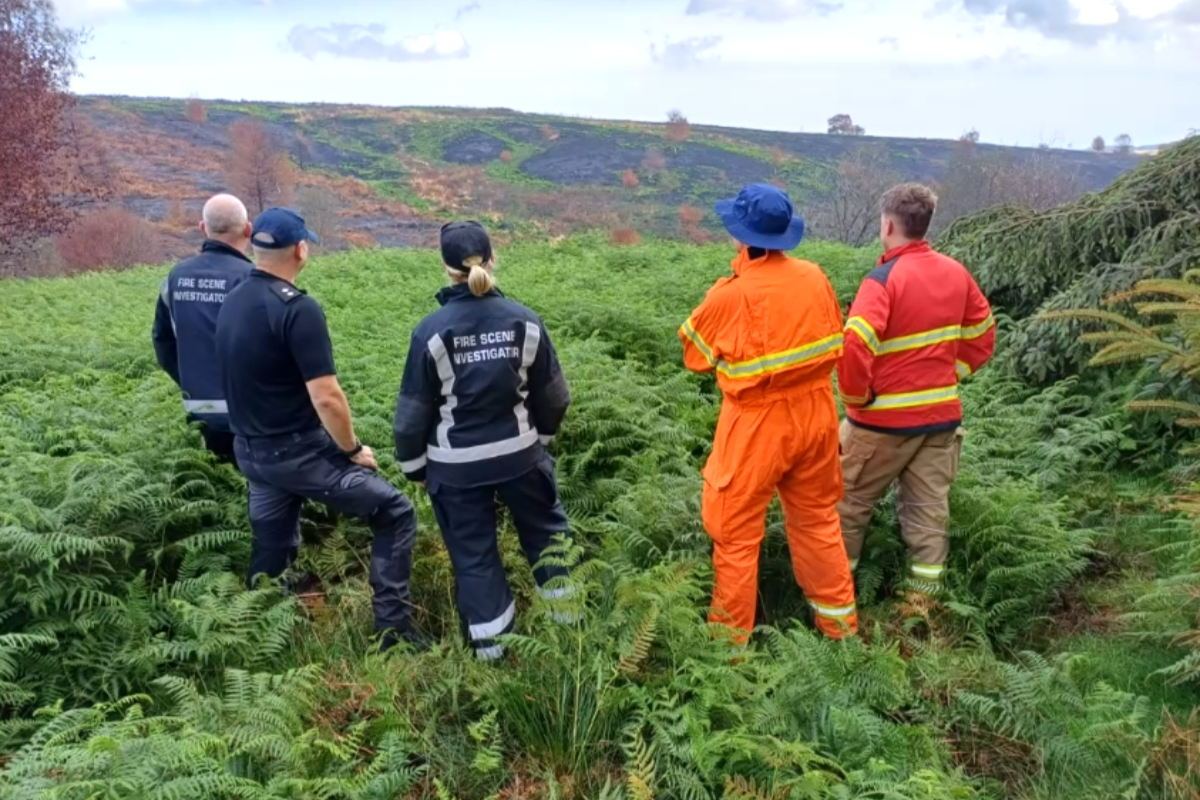
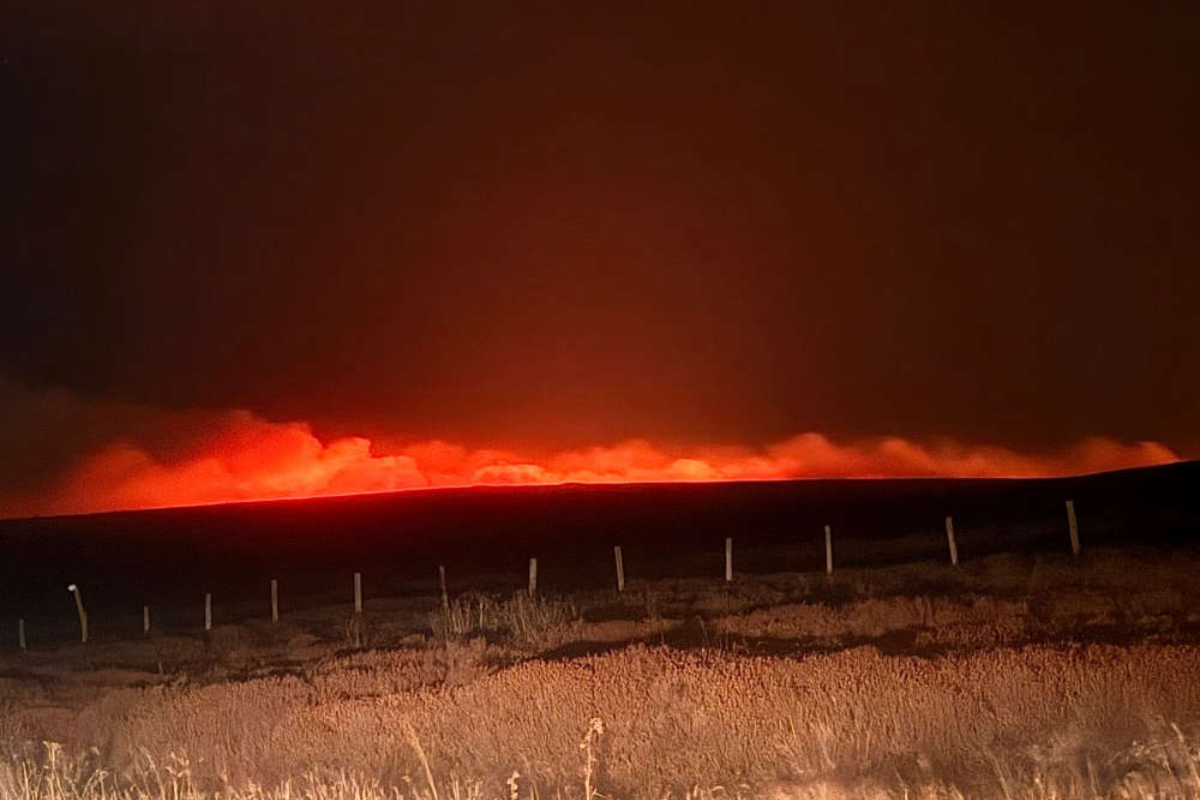
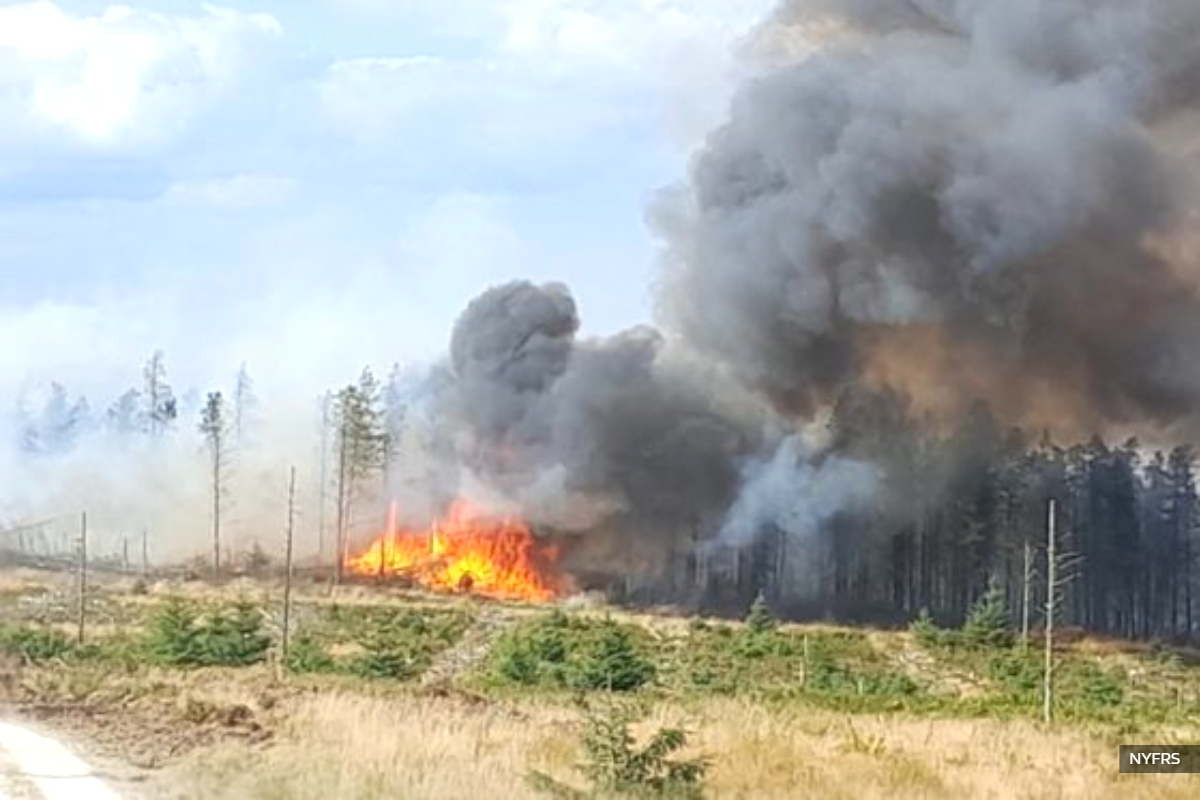
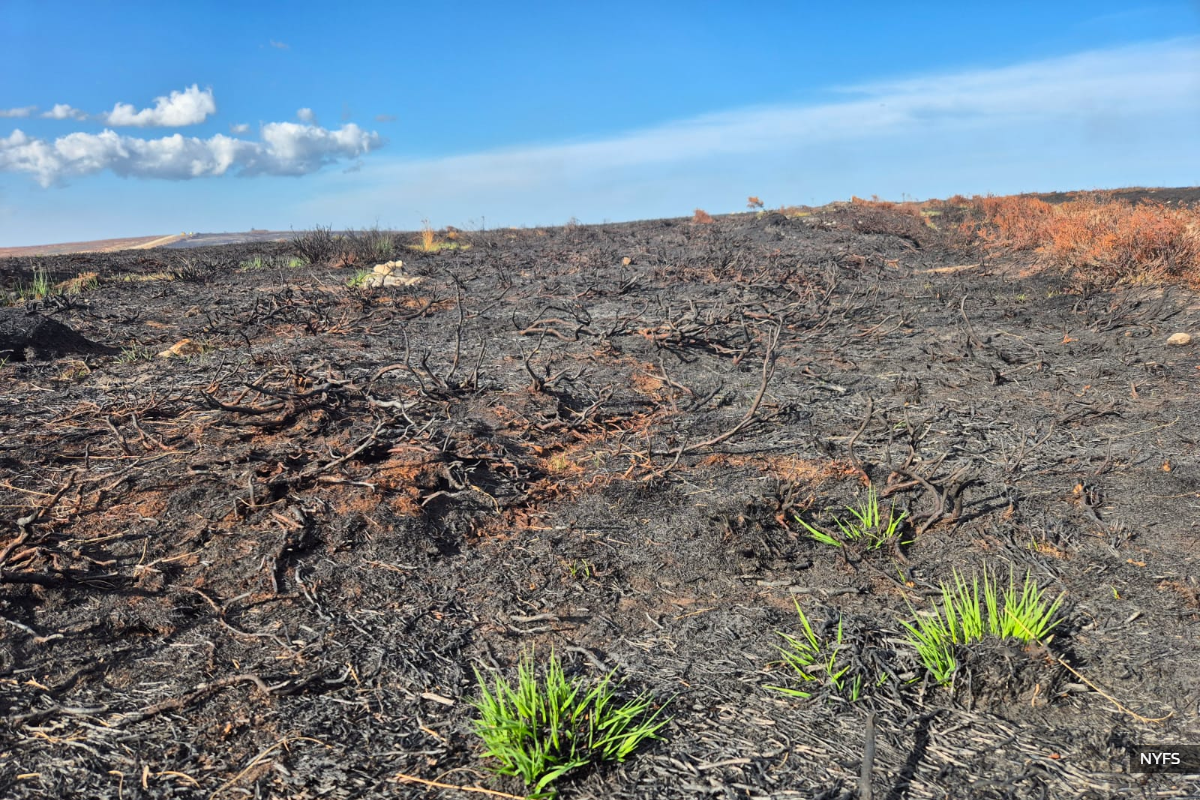
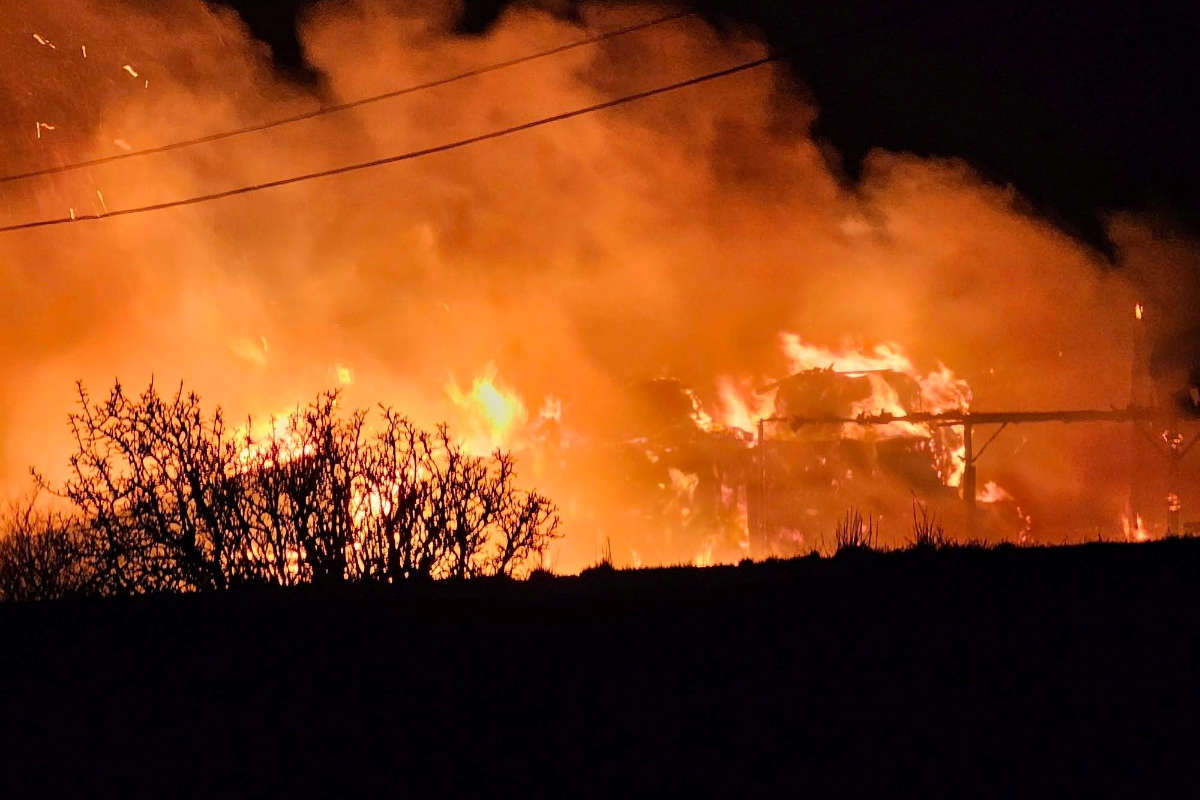
North Yorkshire Fire and Rescue Service has concluded a painstaking multi-agency investigation into the massive wildfire that swept across Fylingdales Moor last summer, determining that the blaze was caused by human activity.
Investigators believe the fire, which eventually grew to ten times the size of the Great Fire of London, was ignited by cooking equipment using a naked flame, such as a campfire or gas burner.
A Painstaking Investigation
Fire Investigation Officer Adam Farrow detailed the exhaustive efforts required to pinpoint the cause of the blaze, which involved over 150 hours of on-site evidence gathering and witness testimony. Mr Farrow explained the findings that led his team to their conclusion:
"This investigation was very complex. Over 150 hours worth of investigation was carried out on scene and conducting witness testimony and investigating through data and facts.
In my opinion, the cause of the fire was either a camp fire or gas burner used to prepare food and drink.
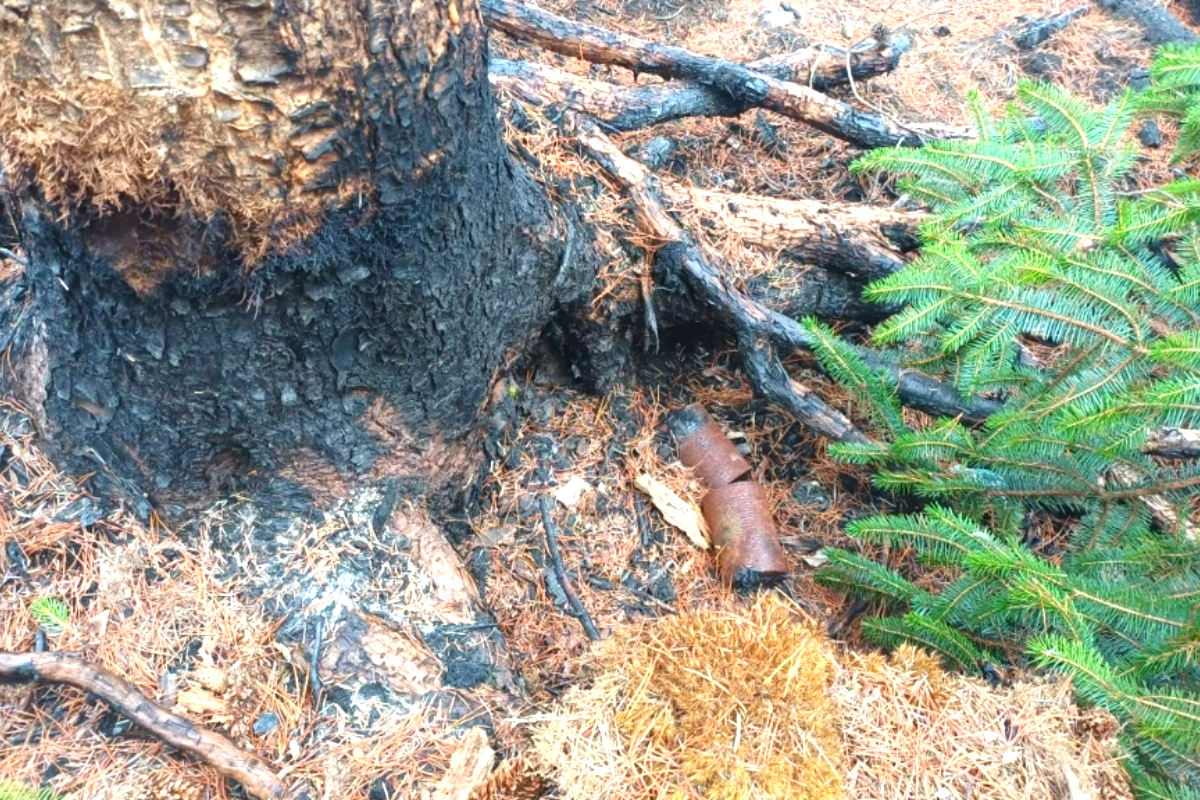
We were able to find the hollowed area of some tree roots which has been used to dispose some items. There was numerous tin cans, peppers, onions, coffee sachets, bottles of water, chocolate bar wrappers, and tea bags in this area.
I'm convinced that the cause of fire must have been a camp fire or implement to heat and warm up either food and or drink."
The team utilised a rigorous scientific method to ensure every possible ignition source was considered and tested against the evidence found at the scene. Mr Farrow noted:
"We looked at several causes. The way that fire investigation is carried out is the scientific method. We look at as many potential hypotheses of cause of fire as possible and then we seek evidence which either support or don't support that hypothesis consistently testing our own hypothesis until we can come up with a supported cause of the fire.
Typically, this will either be deliberate, accidental, or indeterminate if we're unable to find the cause."
The Challenges of the Terrain
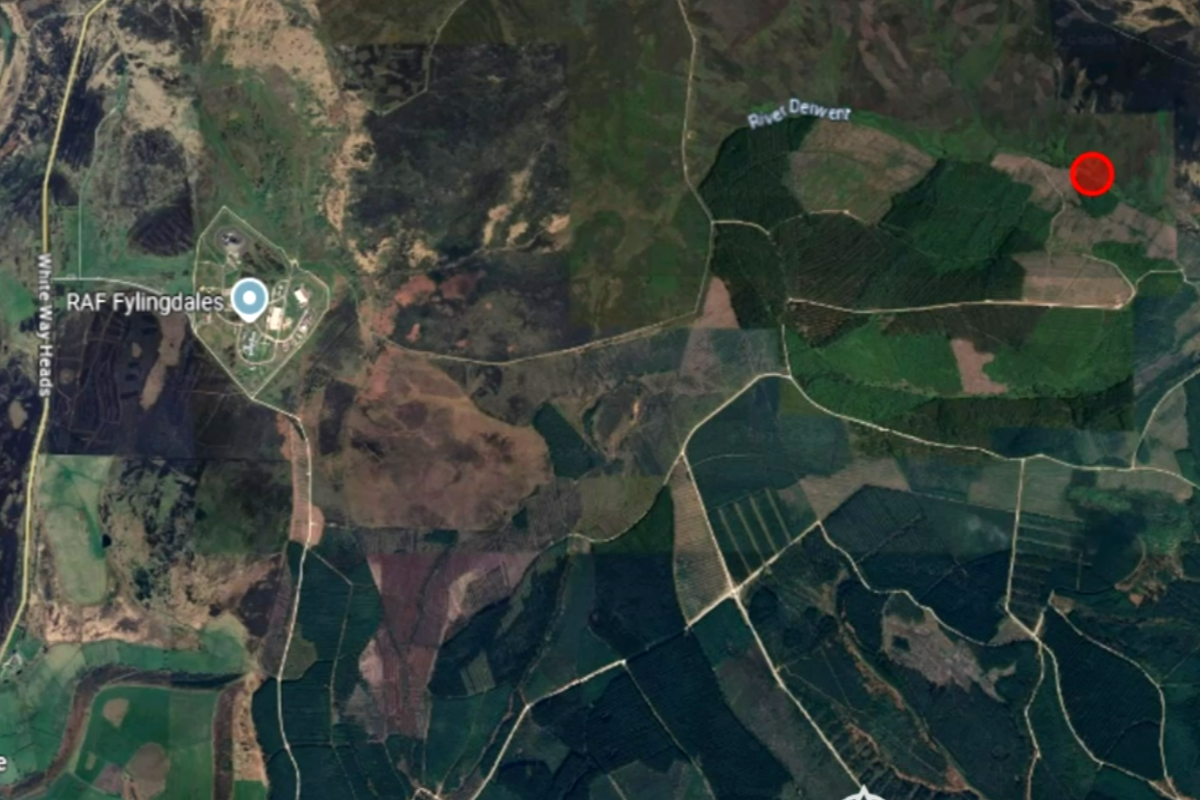
The fire occurred in an exceptionally remote and isolated area, making access for emergency responders and investigators extremely difficult. The site was located roughly 90 minutes from the nearest main road, requiring specialist vehicles to navigate the dense vegetation and hilly terrain.
Reflecting on the difficulty of reaching the origin of the fire, Mr Farrow said:
"We look at what was the cause of fire. So what was the ignition that started that fire?
We also look at the origin. So this is where it started or as close to where it started as we can determine. This is approximately 1 and 1/2 hours, 90 minutes from the main road to that site of the fire. And this is due to difficult terrain, hilly terrain, and really dense, thick vegetation.
It's very remote. It's very isolated. You will not have been able to see it unless you were very close to the fire working or passing through that area. It was not visible from the road.
The terrain to get there from any vehicle point of view very difficult. It required specialist vehicles. So getting vehicles, getting access to it, getting equipment to it was very challenging."
Three Phases of a Major Incident
The incident unfolded in three distinct phases, beginning in late June. Although the fire was initially brought under control and handed over to Forestry England, it breached its confines in August, leading to a major incident declaration on 13 August.
Mr Farrow provided a timeline of the service's response:
"We first were reported to a fire in June on the 26th of June and we remained in attendance at this fire until the 4th of July. At this point we through liaison with forestry England had put in several control measures and from the 4th of July this incident was handed over to Forestry England. This is part of nationally recognized procedure. It's completely within national operational guidance and it's within our own procedures from the 4th of July to the 11th of August, this incident was with Forestry England.
On the 11th of August, which is part three of the fire, we responded to a separate 999 call back into the area of the original fire. And from this point, we noticed that the fire had breached its original confines and spread beyond that point. And we remained in attendance for some months."
Chief Fire Officer Jonathan Dyson emphasised that the fire's link to human behaviour is now a matter of public record, noting that the incident escalated as it threatened critical national infrastructure, namely RAF Flylingdales. He stated:
"The fire effectively had three phases. The initial one now which we are and this is the first time I understand in the public domain to formally link it into a fire starting into June.
Ultimately that fire is as a result of human behaviour. Now forestry England they have an open access policy across the forestry areas and the moorland what they do not allow is camping and the burning or barbecues in any of the other areas. So that was ultimately against the the rules that we asked people to follow and the forestry England ask people to follow. It became then for us a major incident when we saw the fire potentially spreading towards the critical national infrastructure."
Regional Impact and Safety
The wildfire had a profound impact on the Yorkshire Coast, affecting landscapes near Whitby and Scarborough, and drawing in resources from across the region. The scale of the blaze was exacerbated by the historical use of the moor as a military training range, which led to approximately 20 "cook-offs" of unexploded ordnance during the fire.
Local leaders have highlighted the "emotional scars" left on the community. North Yorkshire Council has pledged continued support for residents and businesses in the affected areas.
Chief Fire Officer Dyson urged the public to respect the vulnerability of rural environments, stating that even small flames can have "devastating consequences". In the wake of the disaster, the fire service is now reviewing its wildfire provision, including enhancing its fleet of specialist vehicles and equipment to better protect the North Yorkshire landscape.
Related Stories
 26 Feb 2026 - The cause of last August's major fire on Fylingdales Moor is believed to be cooking using a naked flame, such as a campfire or gas burner.
 26 Feb 2026 - MPs representing areas around the Langdale Moor blaze have said they are 'infuriated' by what is believed to have started the fire last ...
 10 Feb 2026 - Senior leaders in North Yorkshire are intensifying their pressure on the government to overhaul how fire and rescue services are funded, ...
 5 Feb 2026 - North Yorkshire Fire Service are still waiting for government funding to help cover the costs of last summer's Langdale Fire.
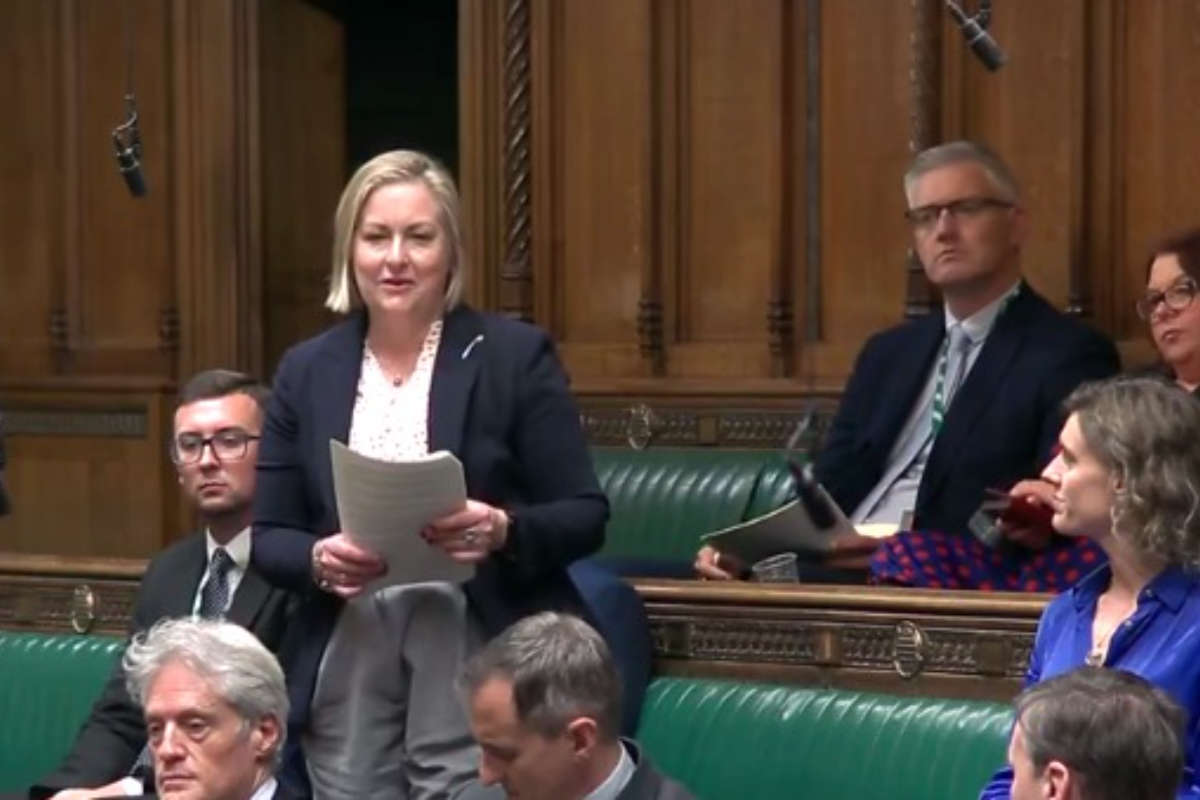 22 Jan 2026 - Alison Hume has addressed parliament regarding a need for funding to be widened in the wake of the Langdale Moor fire.
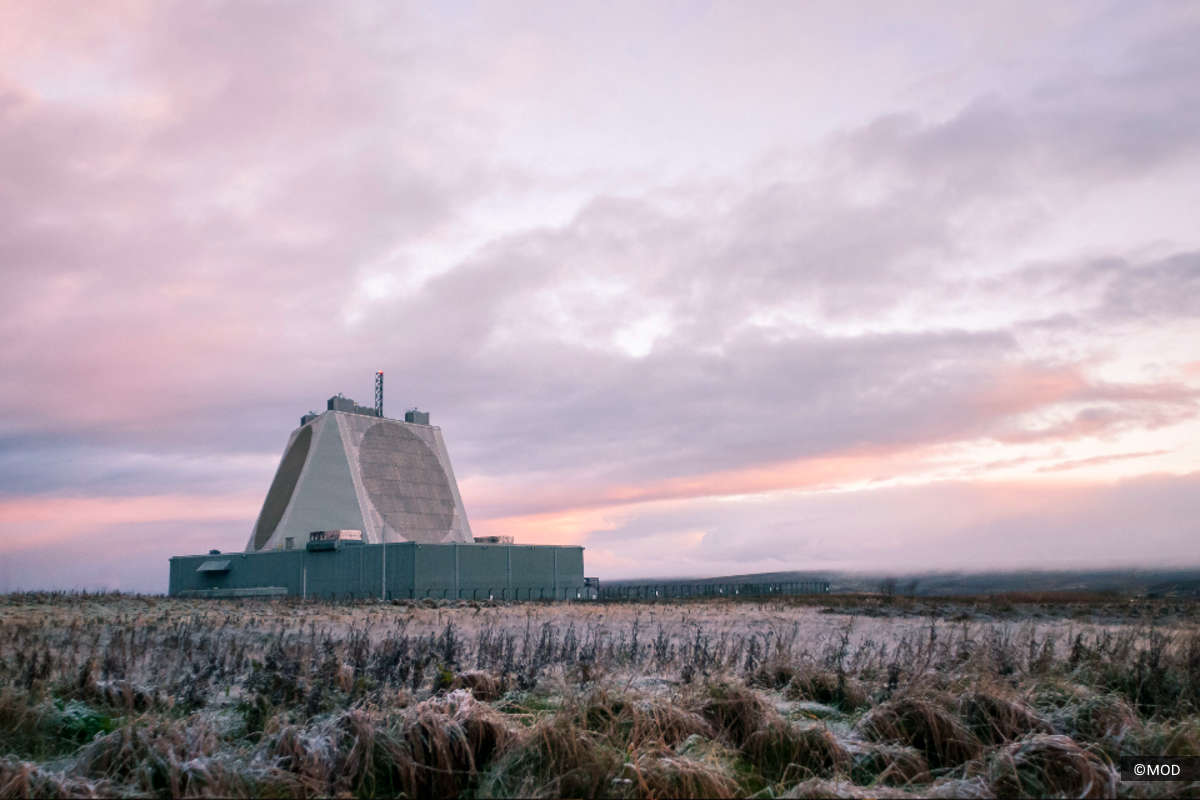 2 Jan 2026 - The public has been warned about the risk of uncovered unexploded ordnance after the Langdale Moor fire exposed 'historic military debris'.

 Nine Minutes from Glory: Heartbreak for Boro as Macclesfield Snatch Late Replay
 East Riding Mum Ventures Change To System After Second Term Time Holiday Fine
 North Yorkshire Faces Major Challenge to Prepare Local Plan in 30 Months
 Pre-Halloween Spooktacular Will Raise Vital Funds For Scarborough Hospice
 Scarborough Foster Couple To Run New Support Hub For Vulnerable Children
 Record Numbers Of Young People Explore Future Careers At East Yorkshire Apprenticeship Expo
 Historic Sleights Pub Set To Reopen Under New Local Ownership
 Patients Could Opt Out of Care Over NHS Data Platform Fears, Councillors Warned
 New Noodle Takeaway Planned For Flagship Filey Holiday Park
 Scarborough Construction Skills Village To Reopen Following £2 Million Investment
 Classic Cars Set To Begin Epic 500-Mile Roman Road Journey From Robin Hood's Bay
 Proposed Tourist Tax Sparks Fear Among Yorkshire Coast Accommodation Providers









Comments
Add a comment