


Senior leaders in North Yorkshire are intensifying their pressure on the government to overhaul how fire and rescue services are funded, arguing that the current system leaves vast rural landscapes vulnerable
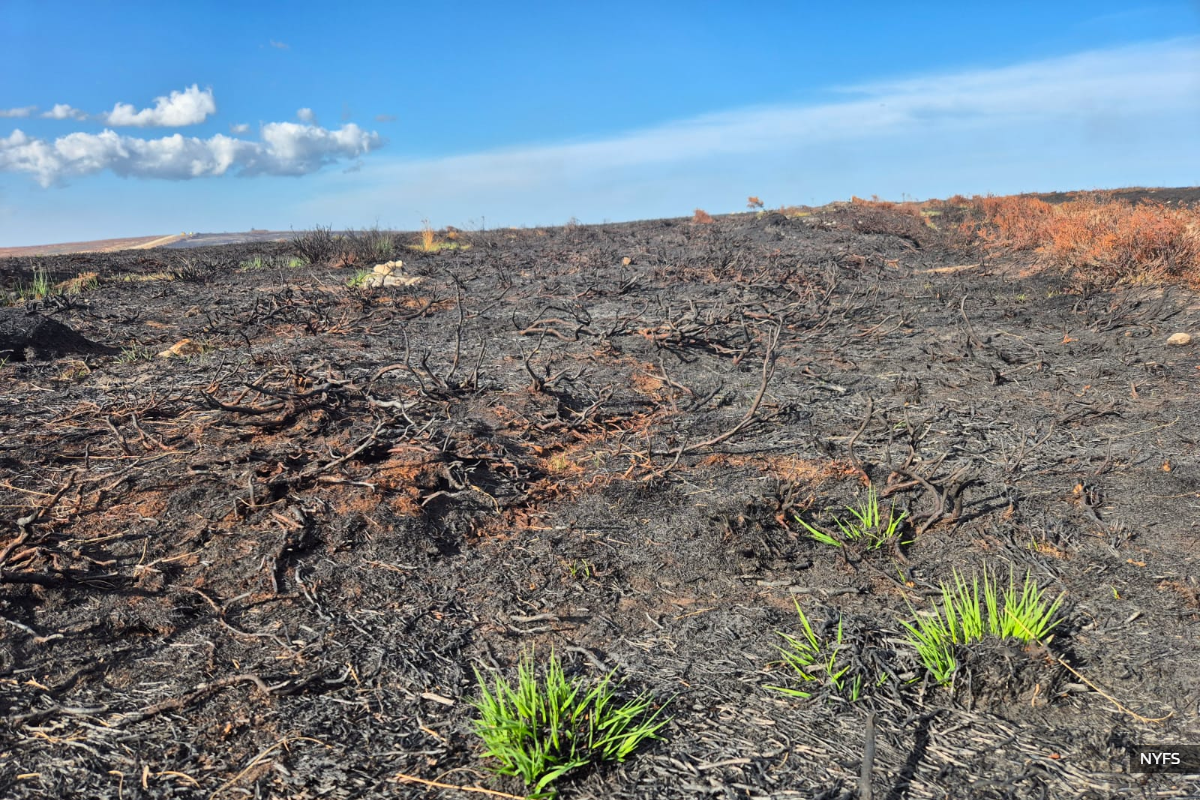
York and North Yorkshire Mayor David Skaith and Deputy Mayor Jo Coles are specifically highlighting the financial strain caused by last summer's devastating moorland wildfire at Langdale.
The leaders contend that the existing funding formulas are disproportionately weighted towards urban population density, often ignoring the immense geographic challenges faced by services covering large rural areas. According to Mayor Skaith, the sheer scale of the region should be a primary factor in determining the resources required to keep communities safe.
Mr Skaith emphasised that he has been consistently raising these concerns with national officials. He stated:
"I have been raising not just the challenges around wildfires and and flooding in particular but just how rural fire and rescue services are funded.
We are constantly speaking to government about how we need to realign and reassess how funding is delivered. Generally speaking, it's geared around population and levels of challenge that you may face in your region, but that geography piece isn't often taken into consideration. And when you have an area on a scale of ours, that is obviously incredibly important because it is it's our big defining factor when it comes to funding almost anything.
So we are constantly having those conversations with government to make sure that those factors are aligned into funding formulas across everything not just fire and rescue."
The urgency of this lobbying effort is underscored by the significant financial aftermath of the Langdale fire. Deputy Mayor Jo Coles revealed that the fire service has already submitted an invoice to the government for £2.6 million to cover the additional costs incurred during the emergency response.
However, the financial burden does not end once the flames are extinguished. Jo Coles pointed out that the recovery of the affected moorland is a long-term, costly process overseen by the Local Resilience Forum in coordination with North Yorkshire Council. She suggested that these recovery costs could effectively double the total bill.
"Not only is it about the kind of climate related risks but also the recovery process. So obviously at Langdale we've sent in the kind of invoice for additional costs incurred by the service of 2.6 million but actually the local resilience forum which North Yorkshire Council coordinate has also been overseeing the recovery process and actually the costs associated with that are probably the same again.
We're dealing with DEFRA and other government departments to make sure that the recovery part of that is also factored in."
The Mayor's office says it remains in ongoing discussions with various government departments, including those responsible for environmental affairs, to ensure that the unique challenges of North Yorkshire’s geography—and the true cost of its environmental recovery—are reflected in the national budget.

 Gas Exploration Permit Approved For Burniston Borehole Despite Strong Opposition
 Multi-Million Pound Overhaul Of Scarborough's West Pier Awaits Final Funding Approval
 Festive Santa Sleigh Tour Returns To Scarborough Streets
 Scarborough Athletic Seek To Escape Relegation Danger In Crucial Spalding Clash
 Whitby Town Host Richmond Town In North Riding Senior Cup
 Local Historian Honoured For Preserving Whitby's Rich Heritage
 Fire Crews Complete High-Altitude Rescue Drill At Hornsea Housing Block
 Hornsea Rescue Crewman Heads To China For International Jet Ski Race
 Visitor Tax Could Drive Holidaymakers Away From Yorkshire Coast- Now Senior Exec Writes To Mayor
 Pop-Up Shops and Artisan Walks Bring Hundreds to Whitby's Skinner Street
 Council Leader Warns Mayor Of 'Court Of Public Opinion' Over £20m Pothole Funding Row
 Bid Launched to Revive Whitby Chamber of Trade













Comments
Add a comment