
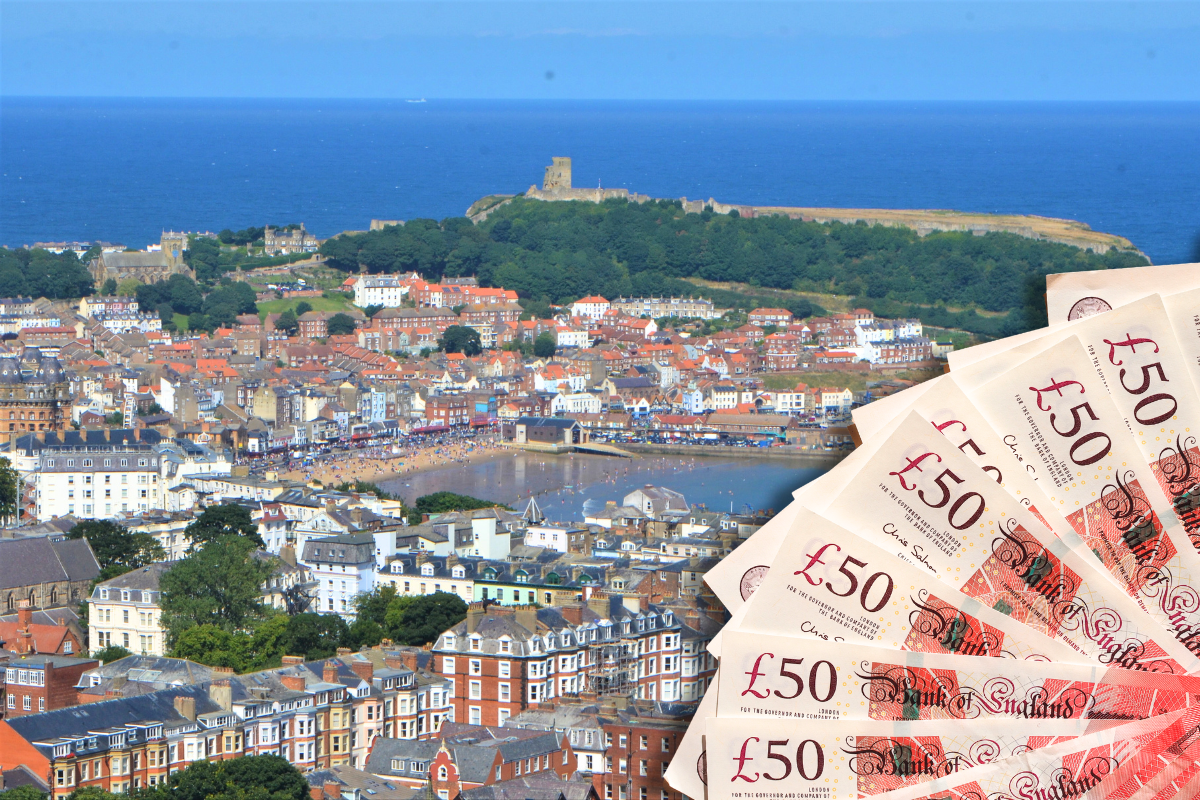
Millions of pounds raised by a proposed overnight visitor charge could be used for coastal high streets, public transport and local skills training, but not all the revenue collected on the coast might be spent on the coast.
High streets, public transport, and local skills training will benefit from millions of pounds of investment if a new overnight visitor charge is introduced.
A proposed £1 or £2 per night levy on overnight stays could raise between £26 million and £52 million annually across the region. A new policy report published by the York and North Yorkshire Combined Authority and York St John University outlines how the revenue might be distributed, addressing concerns that coastal areas could be overlooked in favour of other locations.
Coastal communities including Scarborough, Whitby, and Filey face distinct tourism pressures on their seafronts, car parks, and beach infrastructure. The policy report suggests a geographic allocation formula should be used to ensure these areas benefit proportionately from any new funds, ensuring the money is not simply absorbed into general council budgets.
However, York and North Yorkshire Mayor David Skaith admits that revenue raised on the coast might be spent elsewhere and says he is aware of concerns over that distribution in coastal communities:
"We are alive to that concern, but I'm the mayor of York and North Yorkshire, this will be a levy for the entire region and it will support the entire region. That's the greatest opportunity we have.
Impacts in York and North Yorkshire will be felt everywhere, and the opportunity we have to drive much needed investment into our coast in particularly. We are very alive and very aware of the challenge that our coastal area is having, and obviously, the opportunity to bring investment into the region to really grow it, that's the opportunity that we have with this levy."
Across the wider region, North Yorkshire would generate the vast majority of total levy revenue due to its large geography and high overall volume of overnight stays. However, as an individual urban destination, the City of York represents a single, highly concentrated hub that accounts for a large share of overnight stays, around 18%.
Under preliminary modelling based on STEAM tourism data the Flat-Rate Model of £1 per night would bring in £21.4m in North Yorkshire and £4.75m in York.
The proposed spending framework aims to balance the needs of the tourism industry with the demands placed on local communities. Priority areas for investment identified in the report include transport infrastructure, environmental management, heritage asset maintenance, and public realm improvements.
Mayor David Skaith explained how the money will benefit the tourism sector. He said:
"I've been very firm from the very start. There's an opportunity to drive investment, much of the investment, into the visitor and the tourism economy to really drive more visitors here.
But there is those additional costs, things like public transport, so the opportunity to invest in transport which will not only support the sector, but also residents alike. We want to drive investment into our towns, into our high streets, like Scarborough, Whitby, Filey and elsewhere. But again, that's not only going to support the visitor economy to make our places look nicer, but also it's going to support local people who live here as well.
An opportunity, but particularly, we want to really push on, is the skills element as well. We speak to the sector all the time and actually, they struggle a lot of times to get skilled people into the sector because they don't see it as that career opportunity. Again, we've got opportunity to drive more funding into the skills to make sure that the sector, so if the visitor economy, has the skilled workforce to be able to work in the sector as well.
So, there's a myriad of areas where this money could go on to really drive the whole sector forward."
There are concerns that the proposed levy on overnight stays doesn't take account of where tourism costs exist, as it it wont reflect the number of day visitors to the region. The STEAM data reveals that 33.9 million out of 41.7 million total annual visits to the region are day trips with 26.2 million of those to North Yorkshire and 7.7 million to York. Because the proposed levy applies strictly to overnight accommodation, the policy captures less than 19% of total visits to the region.
The concern is that day trippers place heavy, seasonal demand on local public realms without generating accommodation tax revenue. Coastal towns such as Scarborough, Whitby, and Filey experience intense pressures on seafronts, car parks, public toilets, and beach infrastructure during peak day-trip periods creating a funding mismatch where local council budgets absorb the environmental and maintenance costs of high footfall without receiving direct revenue from the visitors causing it.
Academic research supporting the policy highlights that public and industry acceptance of the charge will depend heavily on transparent spending. The report recommends establishing a formal visitor levy advisory group to oversee revenue use and ensure the funds target the areas most affected by visitor pressure.
Professor Brendan Paddison, Dean of York Business School at York St John University and academic lead for the Policy Lab, outlined how the funds should be allocated. He said:
"What we've found from our research is that there needs to be a really clear outline of how that money is spent, a really clear spending framework and a proportion of that income needs to go back to the sector.
Whether that's through marketing and promotion, whether that's through investment in public realm, we know that toilet facilities are often a common concern both from visitors and residents and from business operators in our tourism destinations.
So investment in public realm, investment in public facilities, but also community based projects and investing in local schemes is just important."
Professor Brendan Paddison added that a clear framework is necessary to manage competing demands for the funds. He said:
"There's a danger that everybody will want a slice of the visitor levy pie, so it's making sure that there's a really clear framework for how that money is spent.
And one of the recommendations that we've put forward as part of our research is that there is a visitor levy advisory board established, where industry representation is embedded to support where funding is then spent.
So there's decision-making around how the money's spent, with industry very much involved in helping to make those decisions."
Related Stories
 7 Sep 2026 - ... and grow the tourism economy across York and North Yorkshire through a proposed £1 overnight visitor levy.
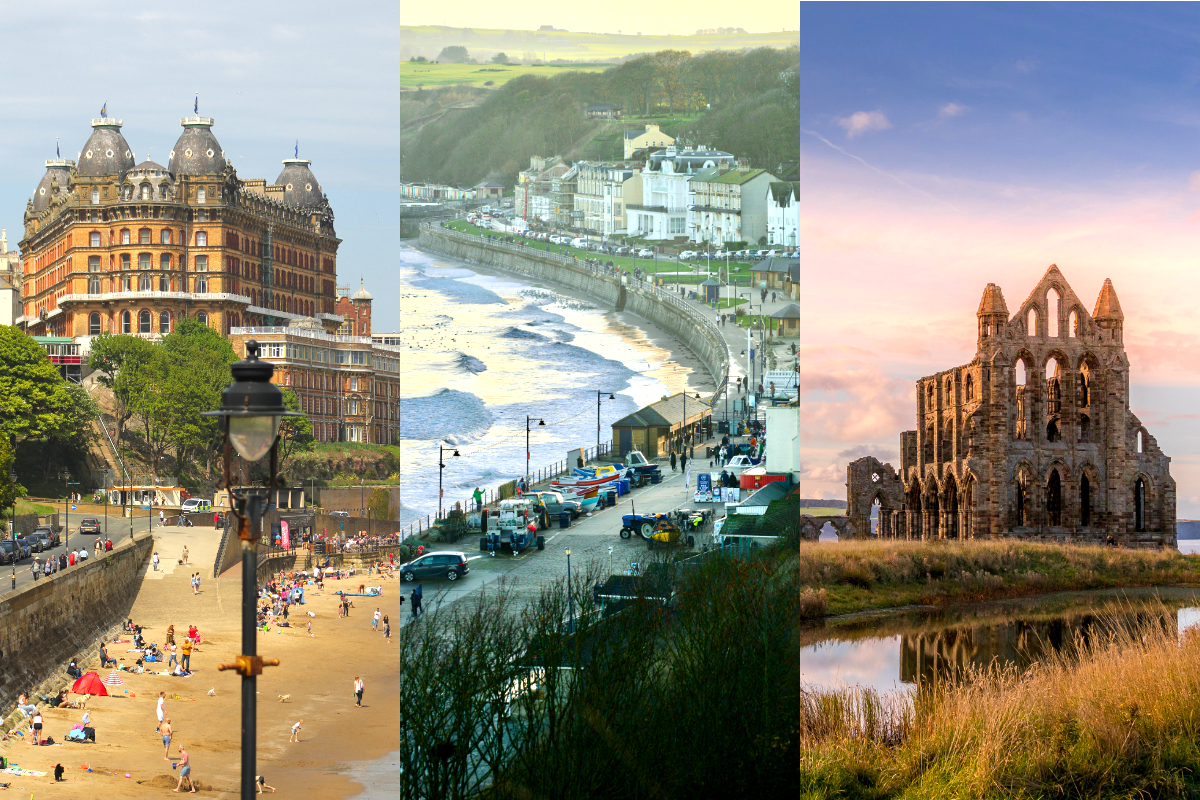 6 Sep 2026 - A new report commissioned by the Mayor of York and North Yorkshire, David Skaith, has proposed a flat £1-a-night visitor levy across the ...
 6 Sep 2026 - With the independent report commissioned by Mayor David Skaith proposing a flat £1-a-night visitor levy, local residents and hospitality ...
 6 Sep 2026 - As York and North Yorkshire moves closer to a formal debate on a proposed overnight visitor levy, how have similar schemes have performed ...
 3 Sep 2026 - Preparations are under way to manage the potential economic fallout for coastal businesses if a proposed overnight visitor levy is ...

 BLOWN OFF COURSE: Late Penalty Spoils Boro’s Comeback Hopes
 Solar Panels Confirmed For Whitby And Eastfield Public Buildings To Cut Energy Bills
 Scarborough HMO Growth Sparks Fresh Tourism Concerns
 52 New Homes Approved in Sherburn Despite GP Surgery Capacity Warning
 Scarborough Dealer Jailed
 Over 500 Homes In Scarborough And Whitby To Receive Energy Efficiency Upgrades
 FLOOD WARNINGS Issued For Scarborough's Foreshore Road & Sandside
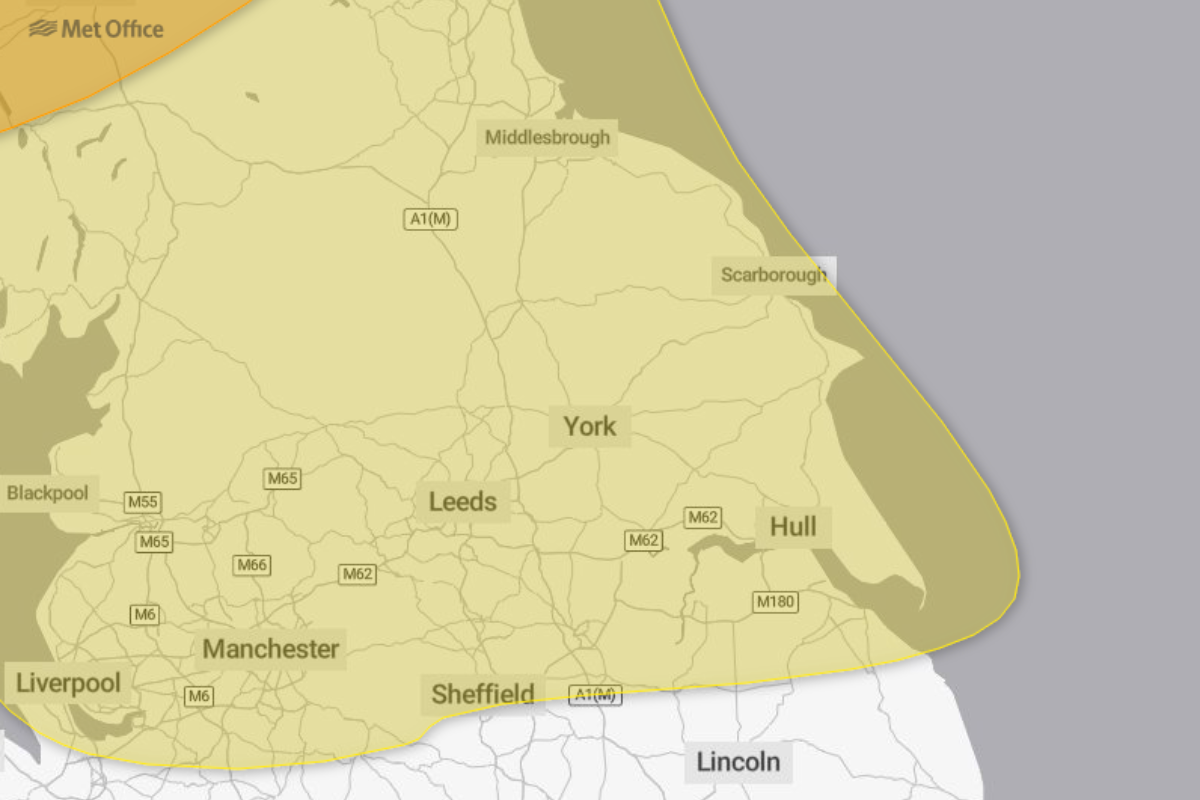 Severe Winds And Coastal Danger Expected As Storm Boelo Hits This Weekend
 Coastal Light Events Cancelled As Storm Boelo Brings Severe Winds
 Motorhome Waste Dumping Sparks Coastal Pollution Fears In Scarborough
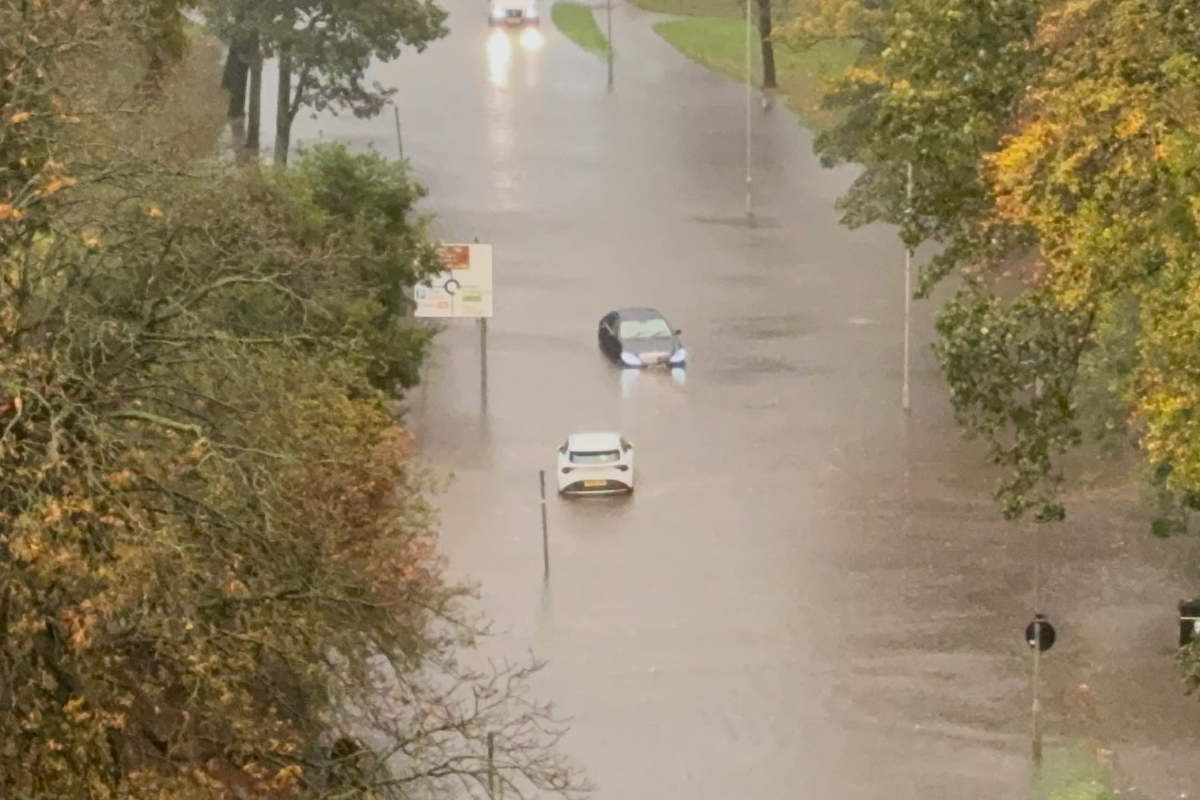 Flash Flooding Hits Scarborough - Police Say Stay Away From Town Centre
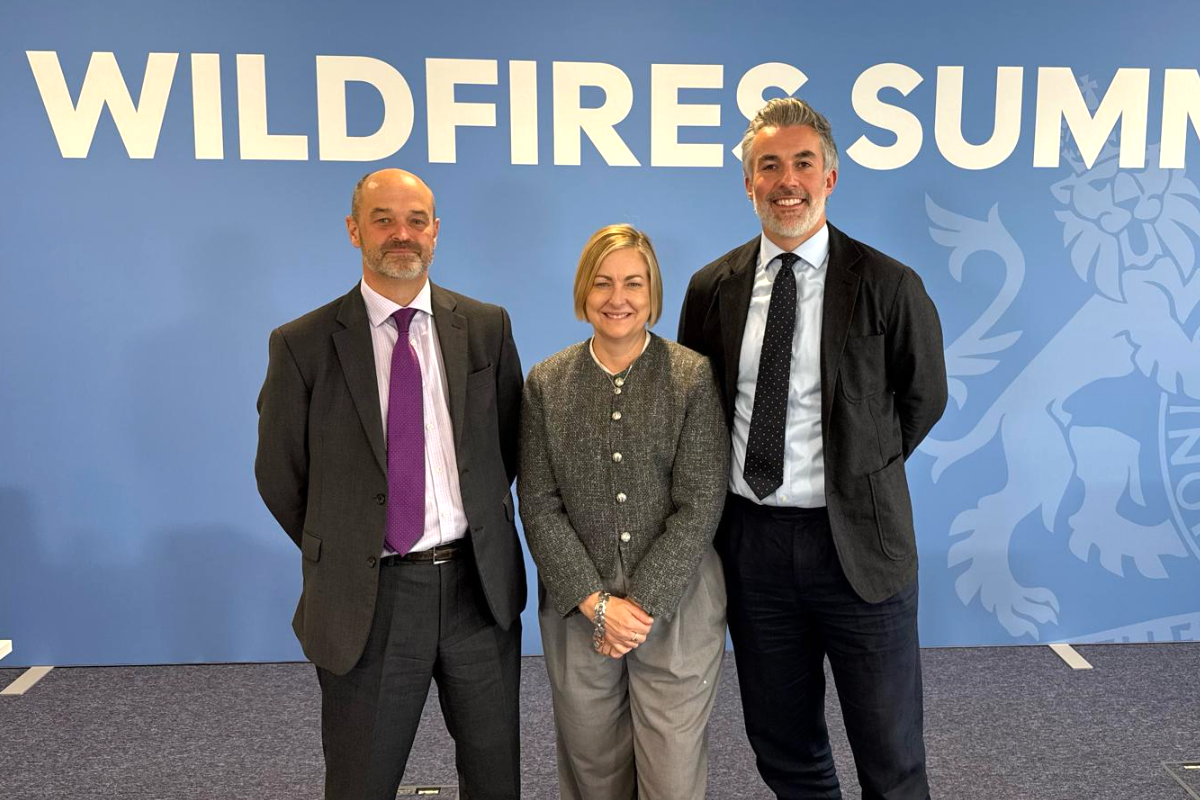 Military Aircraft And Millions In Funding To Tackle Future Wildfires on The Yorkshire Coast