

As York and North Yorkshire moves closer to a formal debate on a proposed overnight visitor levy, how have similar schemes have performed elsewhere?
A new landmark report commissioned by the Mayor of York and North Yorkshire, David Skaith, offers a detailed analysis of tourist taxes from Manchester to Barcelona, outlining three distinct models that could shape the future of local tourism funding. For popular destinations along the Yorkshire Coast, the choice of model is a high-stakes decision that balances administrative complexity against fairness and much-needed infrastructure investment.
Precedents and Pauses: UK and International Lessons
Supporters of a visitor levy point to a growing body of evidence showing that modest overnight fees rarely deter tourists. The Policy Lab's report highlights that visitor growth in high-appeal cities like Manchester, Edinburgh, Paris, and Barcelona has remained steady after implementing such charges.
In Manchester, a flat-rate Accommodation Business Improvement District (A-BID) levy of £1 per night has raised approximately £2.8 million annually since 2023. This revenue has been directly reinvested into securing major cultural events, such as the BRIT Awards in 2026 and 2027, yielding clear economic benefits without hurting hotel performance.
However, the path to implementation is not always smooth. In Scotland, The Highland Council was forced to pause its plans for a 5% percentage-based levy in 2025 after facing intense pushback from accommodation providers over administrative complexity. The report labels this a "design and process failure" rather than proof that levies do not work, noting that the council attempted to advance a complex percentage model without sufficient early engagement.
Meanwhile, in Wales, a different approach is emerging under a standardised, tiered flat-rate national framework. This model reduces the administrative burden on individual councils by utilising a centralised collection system managed by the Welsh Revenue Authority.
On a global scale, some destinations utilize levies to actively manage extreme visitor pressures. New Zealand charges an arrival-based International Visitor Conservation and Tourism Levy of $100 to fund nature conservation, while Norway's upcoming Visitor Contribution Act will allow municipalities facing high overtourism burdens to charge accommodation fees.
| Destination | Rate | Status / Introduced | Revenue Use |
|---|---|---|---|
| Edinburgh | 5% of accommodation cost | July 2026 | Infrastructure, housing, events |
| Manchester | £1 per night (A-BID) | Since 2023 | Marketing, street services (raised £2.8m/yr) |
| Liverpool | 1.6% of cost (A-BID) | Since 2025 | Events, public realm |
| Amsterdam | €3 + 7% of room cost | Long-established | City maintenance, tourism management |
| Paris | €1–€15 per night (tiered) | Long-established | General municipal budget |
| Barcelona | €2.75–€4 per night | Long-established | Tourism management |
Three Models Under Consideration
To determine what could work locally, the Policy Lab assessed three primary design choices for York and North Yorkshire:
- The Flat-Rate Model (Option A): This would charge a fixed fee of £1 to £2 per room or per night. At £1 per night, it could raise an estimated £26.1 million annually across the region. The report notes that this model is the most "deliverable and credible starting point" due to its administrative simplicity, predictability, and low compliance burden. Its primary drawback is that it is regressive, representing a higher percentage of the total bill for budget stays than for luxury hotels.
- The Tiered Flat-Rate Model (Option B): Mirroring the proposed Welsh model, this option applies different fixed rates based on accommodation types, such as charging lower fees for campsites and higher fees for serviced hotels. While it balances simplicity with fairness, the report warns it introduces classification hurdles and boundary disputes.
- The Percentage-Based Model (Option C): A fee calculated as a percentage of the room cost (such as Edinburgh’s proposed 5% model) is highly progressive and has a higher theoretical revenue potential. However, the report cautions that this model is "operationally challenging". It requires accommodation providers to calculate fluctuating seasonal rates and handle complex "bundled" pricing, which creates a high non-compliance risk for small businesses.
| Model | How it Works | Indicative Revenue (Y&NY) | Advantages | Disadvantages |
|---|---|---|---|---|
| Flat-Rate | Fixed charge per room per night (e.g. £1–£2) | £26m–£52m annually |
|
|
| Tiered Flat-Rate | Different fixed rates by accommodation type (e.g. hotels vs campsites) | ~£27m annually |
|
|
| Percentage-Based | Levy based on accommodation price (e.g. 5%) | ~£50m–£130m+ (highly variable) |
|
|
Protecting the Fragile Coastline and Small Businesses
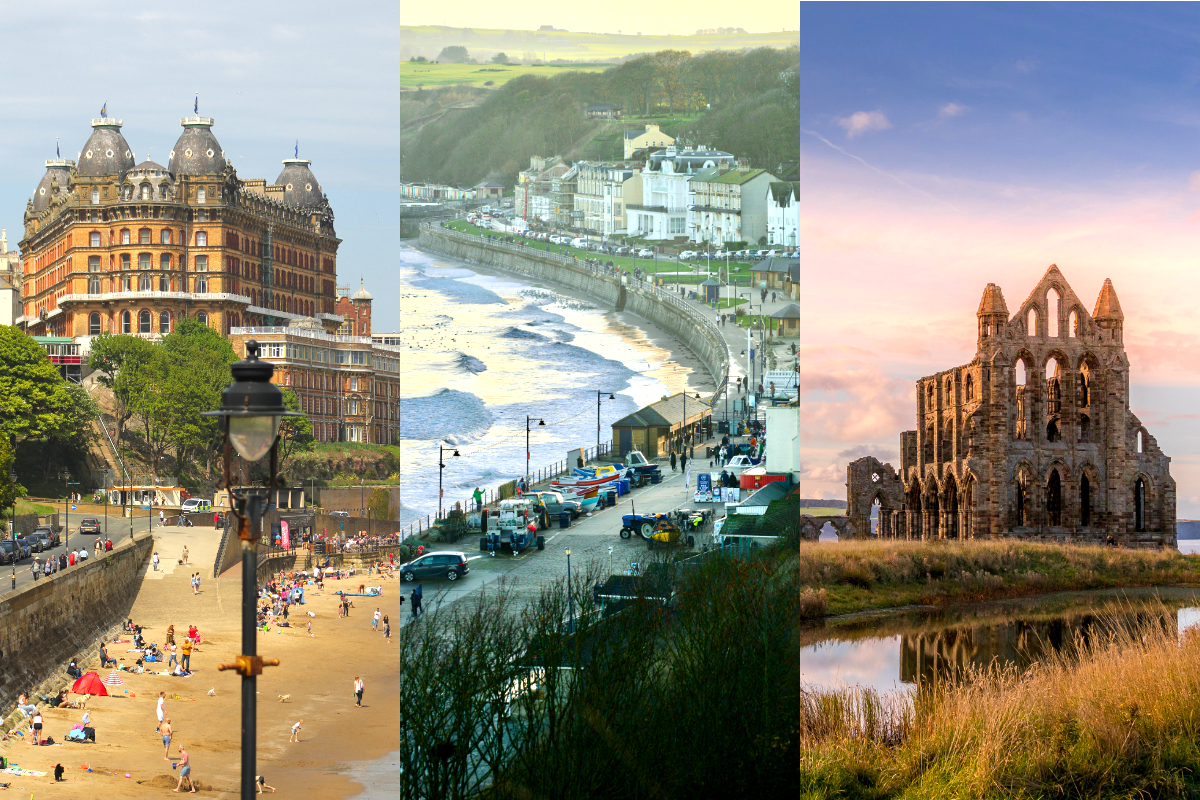
The unique structure of the Yorkshire Coast's visitor economy means local context is critical. Coastal communities like Scarborough, Whitby, and Filey welcome millions of staying visitors, placing distinct pressures on seafronts, public realms, car parks, and beach infrastructure. The report argues that without a "geographic allocation formula" to ensure these coastal areas benefit proportionately from the revenues they generate, they risk bearing the environmental costs of tourism without receiving an equitable share of the funding.
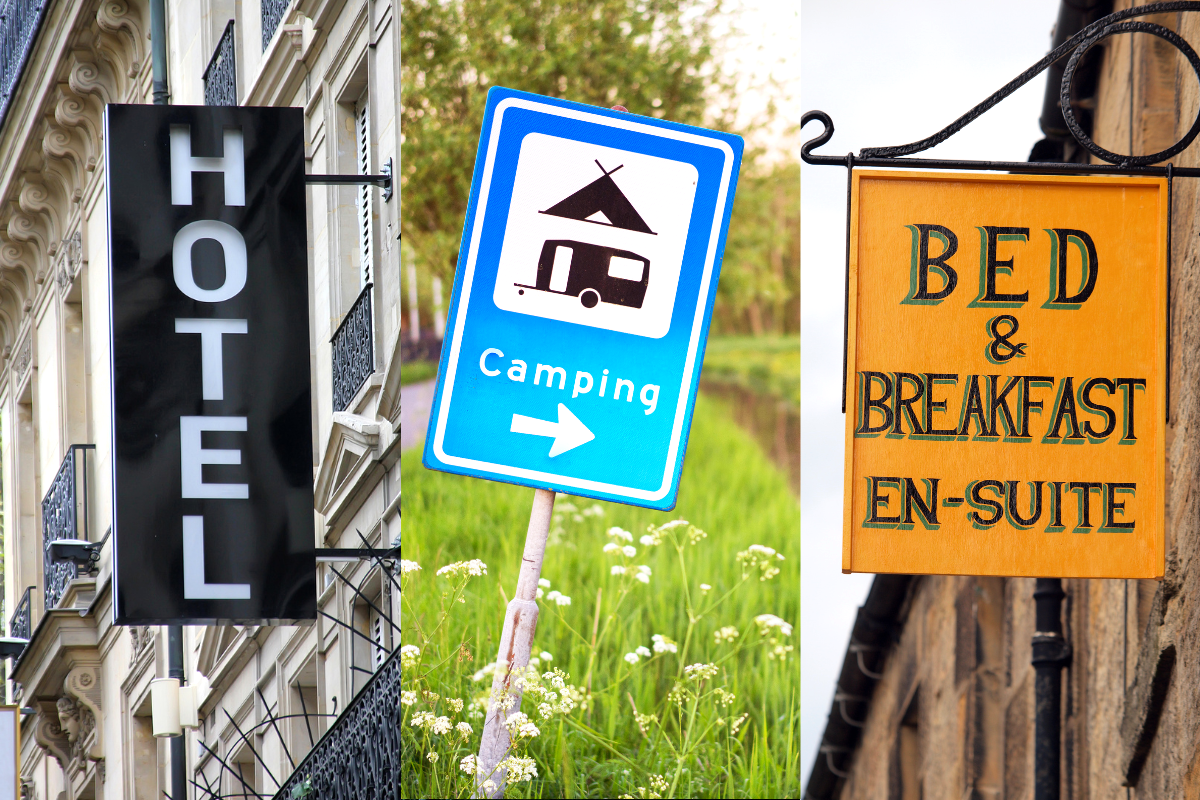
However, the coast's accommodation sector is dominated by independent, family-run guesthouses, small B&Bs, and self-catering holiday lets. Industry groups, including UKHospitality, have expressed serious concern over the administrative burden that a levy would place on these small operators, particularly alongside standard VAT pressures.
The report acknowledges that smaller businesses face proportionately higher administrative costs than large hotel chains. To mitigate this, the authors recommend implementing a "simple low-cost digital platform," offering quarterly remittance periods for smaller operators, and introducing a "de minimis" exemption for the lowest-cost properties like basic campsites and youth hostels.
| Accommodation Type | Avg. Nightly Cost | £1 Levy as % of Cost | £2 Levy as % of Cost |
|---|---|---|---|
| Youth hostel / budget | ~£25–40 | 2.5–4.0% | 5.0–8.0% |
| Standard B&B / guesthouse | ~£60–90 | 1.1–1.7% | 2.2–3.3% |
| Mid-range hotel | ~£100–150 | 0.7–1.0% | 1.3–2.0% |
| Premium hotel (York centre) | ~£180–300+ | 0.3–0.6% | 0.7–1.1% |
| Self-catering (per unit) | ~£80–200/unit | 0.5–1.3% | 1.0–2.5% |
Building a Partnership Approach
Elected officials and academics alike emphasise that any future policy must be built on partnership. "Good policy starts with good evidence. This report is not about making the case for or against a visitor levy," noted Professor Brendan Paddison, academic lead for the Policy Lab and Dean of York Business School. "It is about giving the Mayor, businesses and communities the evidence they need to have an informed conversation". Professor Paddison stressed that any future scheme must be "simple and proportionate, underpinned by transparent governance and meaningful engagement".
Mayor David Skaith has pledged a cautious approach, stating that the Combined Authority must "explore this opportunity carefully, transparently and in partnership". He committed to "keep talking with the sector as the details come together" to ensure the region delivers the best outcome. With primary enabling legislation progressing through Parliament, the earliest realistic implementation of any local levy is projected for 2027 or 2028, leaving ample time for the region to shape its own path.
The full report can be seen here Open file
Related Stories
 6 Sep 2026 - With the independent report commissioned by Mayor David Skaith proposing a flat £1-a-night visitor levy, local residents and hospitality ...
 6 Sep 2026 - A new report commissioned by the Mayor of York and North Yorkshire, David Skaith, has proposed a flat £1-a-night visitor levy across the ...

 FLOOD WARNINGS Issued For Scarborough's Foreshore Road & Sandside
 Severe Winds And Coastal Danger Expected As Storm Boelo Hits This Weekend
 Flash Flooding Hits Scarborough - Police Say Stay Away From Town Centre
 Scarborough Athletic Match To Go Ahead Despite Flash Floods As Manager Eyes Transfers
 Coastal Light Events Cancelled As Storm Boelo Brings Severe Winds
 Motorhome Waste Dumping Sparks Coastal Pollution Fears In Scarborough
 Military Aircraft And Millions In Funding To Tackle Future Wildfires on The Yorkshire Coast
 Brunswick Centre Cinema Plans Must Return To Planning Process
 Scarborough's Freddie Gilroy Statue Could Be Moved Under £50k Plan
 Whitby Town Target Fourth Unbeaten Match In Manchester Away Clash
 Bridlington Town Target Trophy Giantkilling
 Yorkshire Coast Rugby Action- Boro Head North











Comments
Add a comment