


With the independent report commissioned by Mayor David Skaith proposing a flat £1-a-night visitor levy, local residents and hospitality operators along the Yorkshire Coast are asking two fundamental questions: how will this money be collected from guests, and where will it actually go?
With the independent report commissioned by Mayor David Skaith proposing a flat £1-a-night charge, local residents and hospitality operators along the Yorkshire Coast are asking two fundamental questions: how will this money be collected from guests, and where will it actually go?
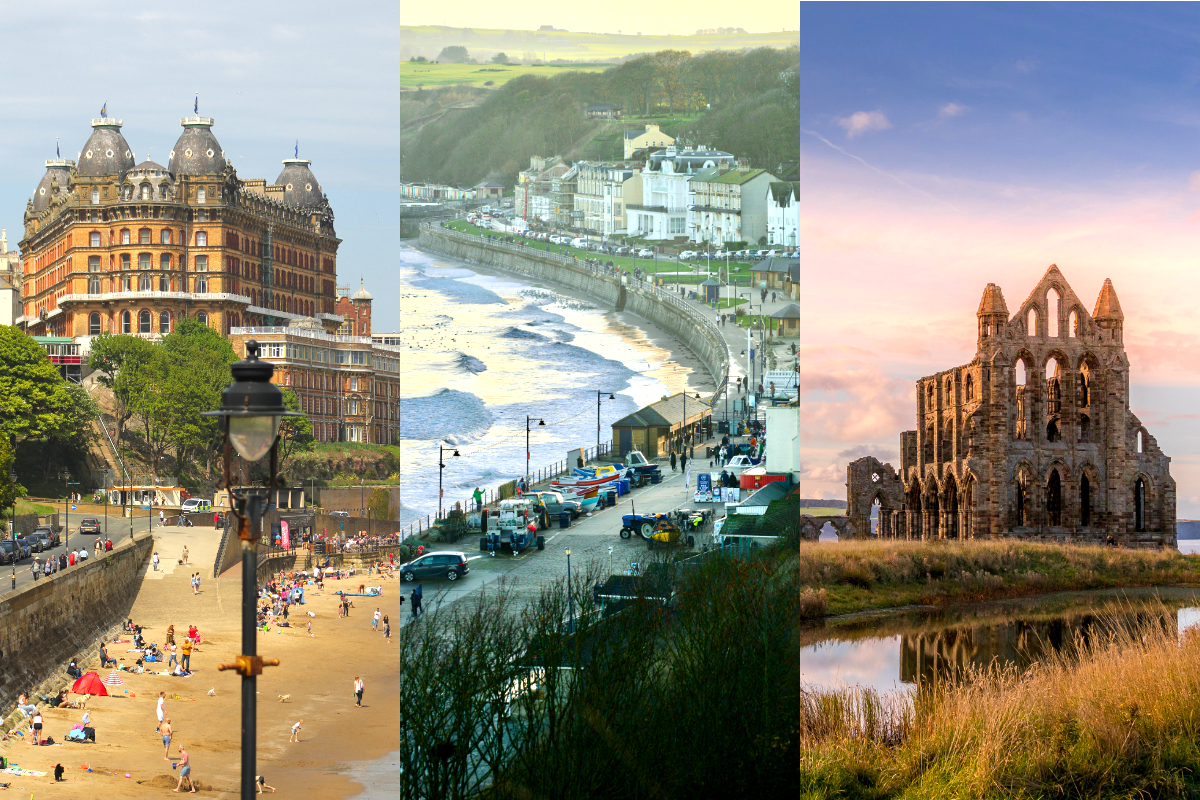
For popular coastal destinations like Scarborough, Whitby, and Filey, which bear a substantial share of the region’s visitor pressure, the answers to these questions are crucial. Regional leaders are aiming to design a system that minimizes administrative red tape for small businesses while ensuring that the millions of pounds raised are visibly reinvested into the communities that host the tourists.
The Collection: Keeping it Simple for Seaside Operators
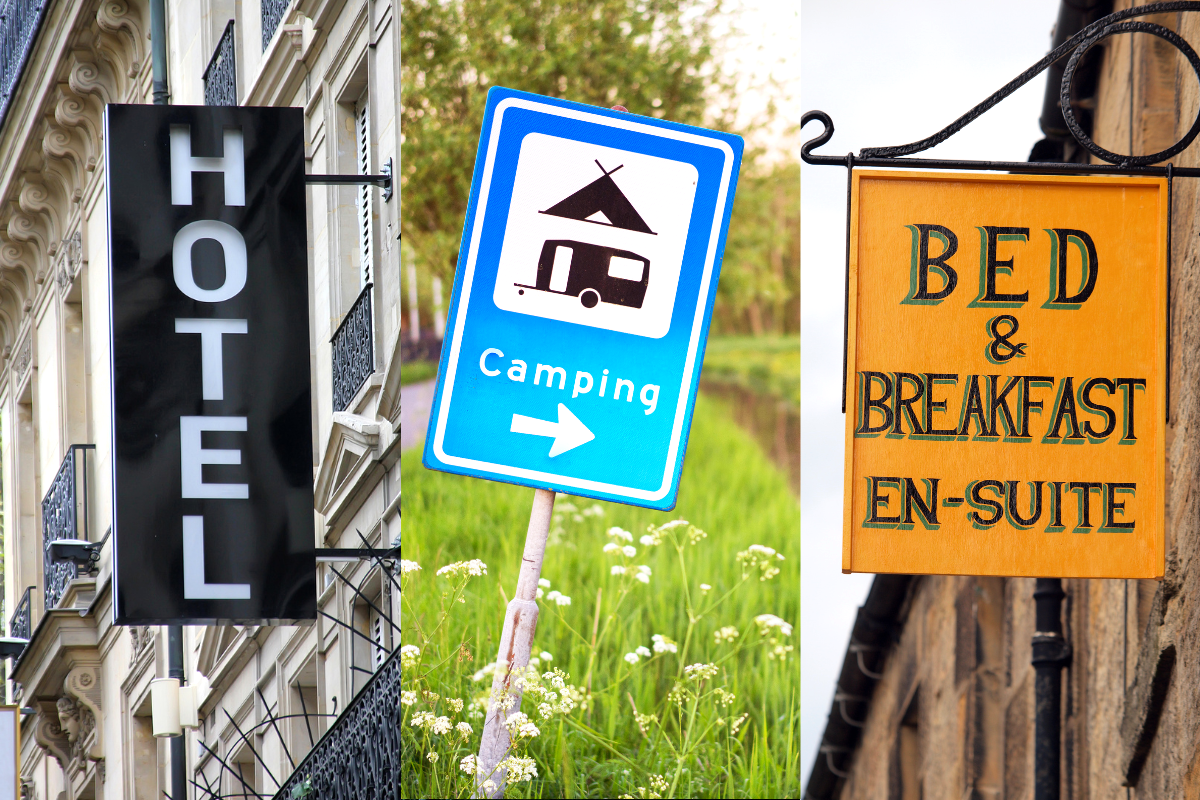
The report explicitly warns that administrative complexity represents a major challenge for both local authorities and accommodation providers. The Yorkshire Coast’s visitor economy is heavily dominated by micro-businesses, including family-run guesthouses, small bed-and-breakfasts, and self-catering holiday lets. To protect these smaller operators from being overwhelmed by reporting requirements, the Policy Lab recommends a flat-rate charge of £1 per night.
Under this flat-rate model, accommodation providers would not have to calculate percentages or handle fluctuating seasonal room rates. Instead, they would simply record the number of overnight stays and remit the flat fee. To ease the administrative and cash-flow burden further, the report recommends:
- Implementing a simple, low-cost digital remittance platform for quick reporting.
- Allowing smaller businesses to submit their returns quarterly rather than monthly.
- Introducing a "de minimis" exemption for the lowest-cost properties, such as basic campsites and youth hostels, to protect budget travellers and reduce the regressive impact of a flat fee.
Despite these proposals, hospitality representatives have voiced real concerns about front-line staff having to act as tax collectors. Industry bodies like UKHospitality highlight the potential friction of managing exemptions, such as verifying the eligibility of children or long-term guests. The report acknowledges that placing the "burden of proof" on receptionists could create operational headaches and recommends keeping exemptions to a minimum.
Furthermore, the rise of informal online holiday rentals poses a unique enforcement challenge. To ensure a level playing field, the Policy Lab recommends engaging major online booking platforms, such as Airbnb, to collect and remit the levy automatically at the point of transaction—a method successfully deployed in Amsterdam and Barcelona.
The Spending: Ring-Fencing and Coastal Equity
At £1 a night, the levy has the potential to generate up to £26 million annually. However, the report is clear: the success of the levy depends entirely on "hypothecation"—the strict ring-fencing of funds so they cannot be absorbed into general, hard-pressed council budgets.
For coastal towns like Scarborough, Whitby, and Filey, the spending plan contains a vital safeguard. These communities experience heavy tourist traffic, placing intense, seasonal pressure on seafronts, car parks, and beach infrastructure. To address this, the report recommends a "geographic allocation formula" to guarantee that coastal areas benefit proportionately from the revenues they help generate.
The Policy Lab recommends that the Combined Authority direct the funds toward:
- Infrastructure and Public Realms: Maintaining and improving roads, seafront paths, public spaces, car parks, and waste management systems.
- Environmental Protection: Mitigating the impact of high foot traffic on fragile landscapes and coastlines.
- Cultural Preservation and Business Support: Boosting local heritage assets and helping small hospitality businesses with sustainability and digital upgrades.
To ensure local residents feel the benefits, the authors also suggest ring-fencing 15% to 20% of the revenue specifically for community benefit projects in the areas most affected by tourist crowds. Crucially, the Combined Authority must commit publicly that these funds represent "genuine additional investment" and will not be used to replace existing local government funding.
Who Decides? Governance and Accountability
To prevent the funds from being managed behind closed doors, the Policy Lab recommends establishing a formal Visitor Levy Advisory Group. This group would bring together representatives from coastal accommodation providers, tourism businesses, Destination Management Organisations (DMOs), and local communities.
While final spending decisions would legally remain with elected Combined Authority members to ensure democratic accountability, the advisory group would provide a direct channel for local businesses to shape investment priorities.
Professor Brendan Paddison, academic lead for the Policy Lab and Dean of York Business School, emphasised the importance of transparent governance, stating that any future levy must be "underpinned by transparent governance and meaningful engagement with businesses and communities". He added that the benefits of reinvestment must be "visible to businesses, visitors and communities".
Mayor David Skaith has similarly promised a collaborative approach, stating: "We must get this right for our county so we can invest in our communities, and our hospitality and tourism businesses". With primary enabling legislation progressing through Parliament, any local levy is unlikely to be implemented before 2027 or 2028, providing ample lead-in time for regional leaders and coastal businesses to co-design a fair and simple system.
The full report can be seen here Open file
Related Stories
 6 Sep 2026 - A new report commissioned by the Mayor of York and North Yorkshire, David Skaith, has proposed a flat £1-a-night visitor levy across the ...
 6 Sep 2026 - As York and North Yorkshire moves closer to a formal debate on a proposed overnight visitor levy, how have similar schemes have performed ...

 FLOOD WARNINGS Issued For Scarborough's Foreshore Road & Sandside
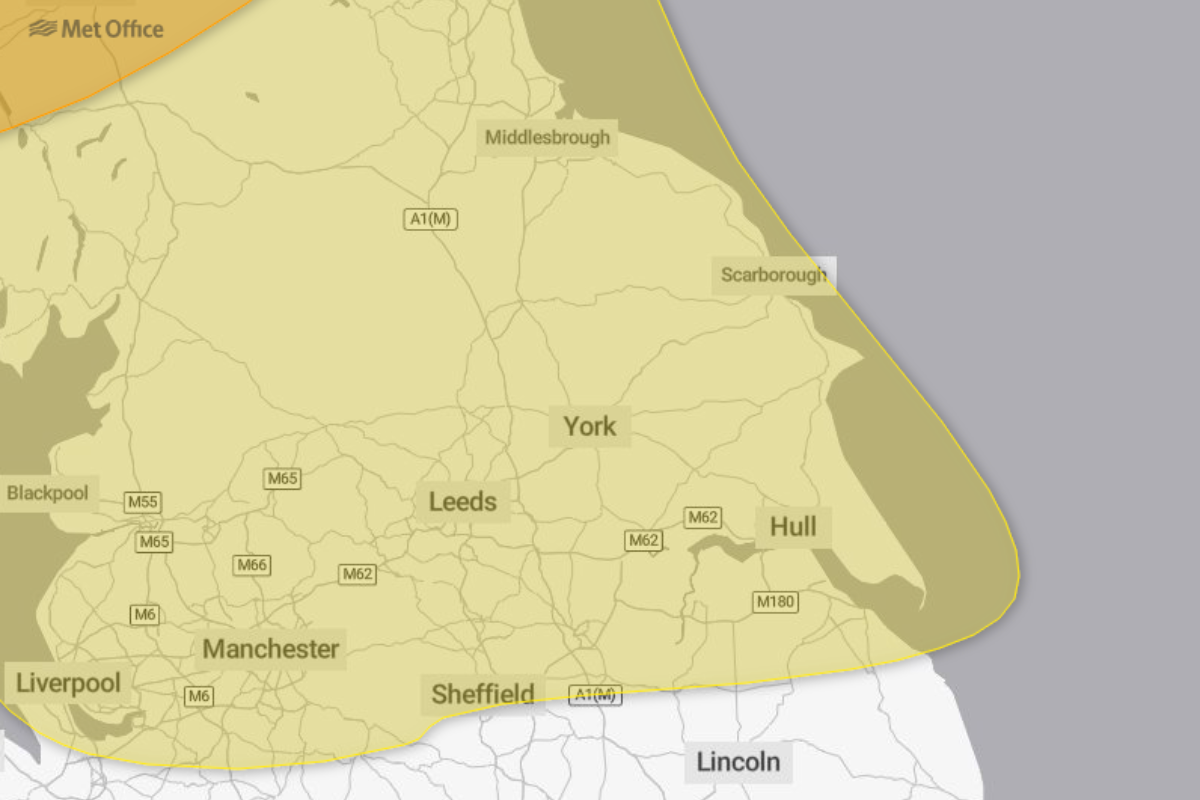 Severe Winds And Coastal Danger Expected As Storm Boelo Hits This Weekend
 Flash Flooding Hits Scarborough - Police Say Stay Away From Town Centre
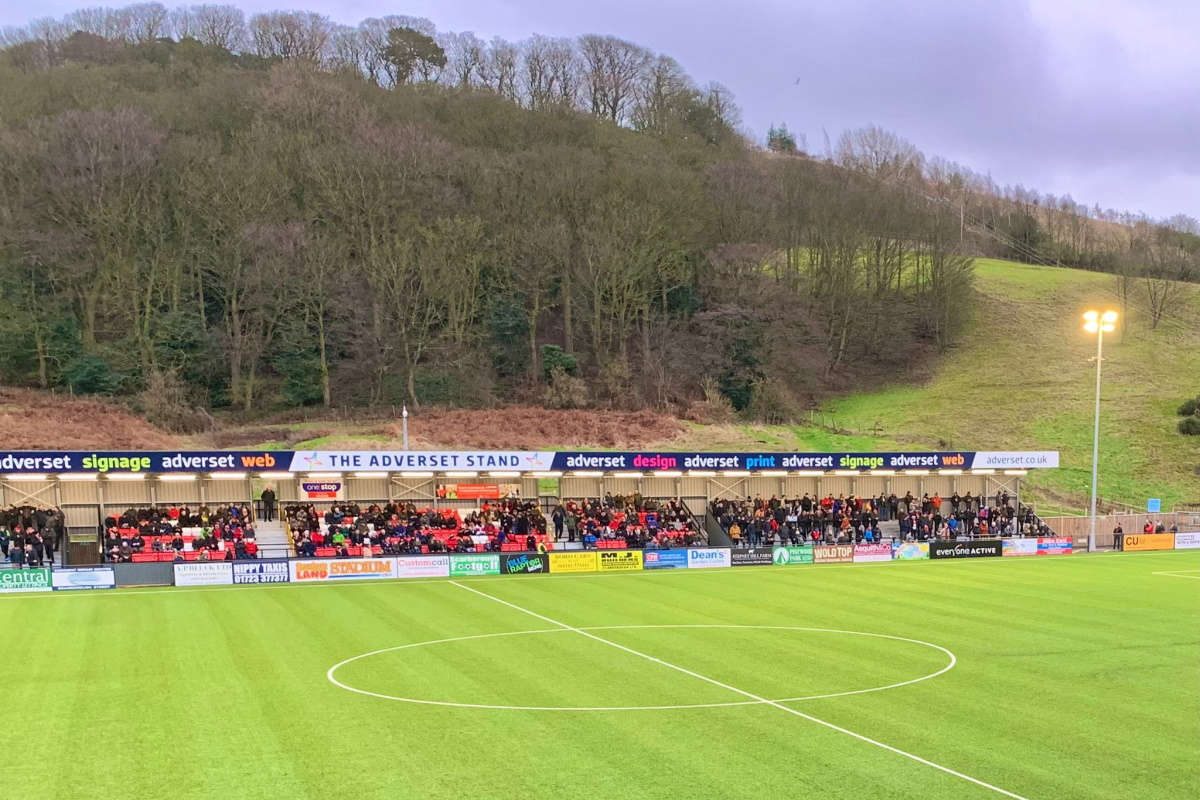 Scarborough Athletic Match To Go Ahead Despite Flash Floods As Manager Eyes Transfers
 Coastal Light Events Cancelled As Storm Boelo Brings Severe Winds
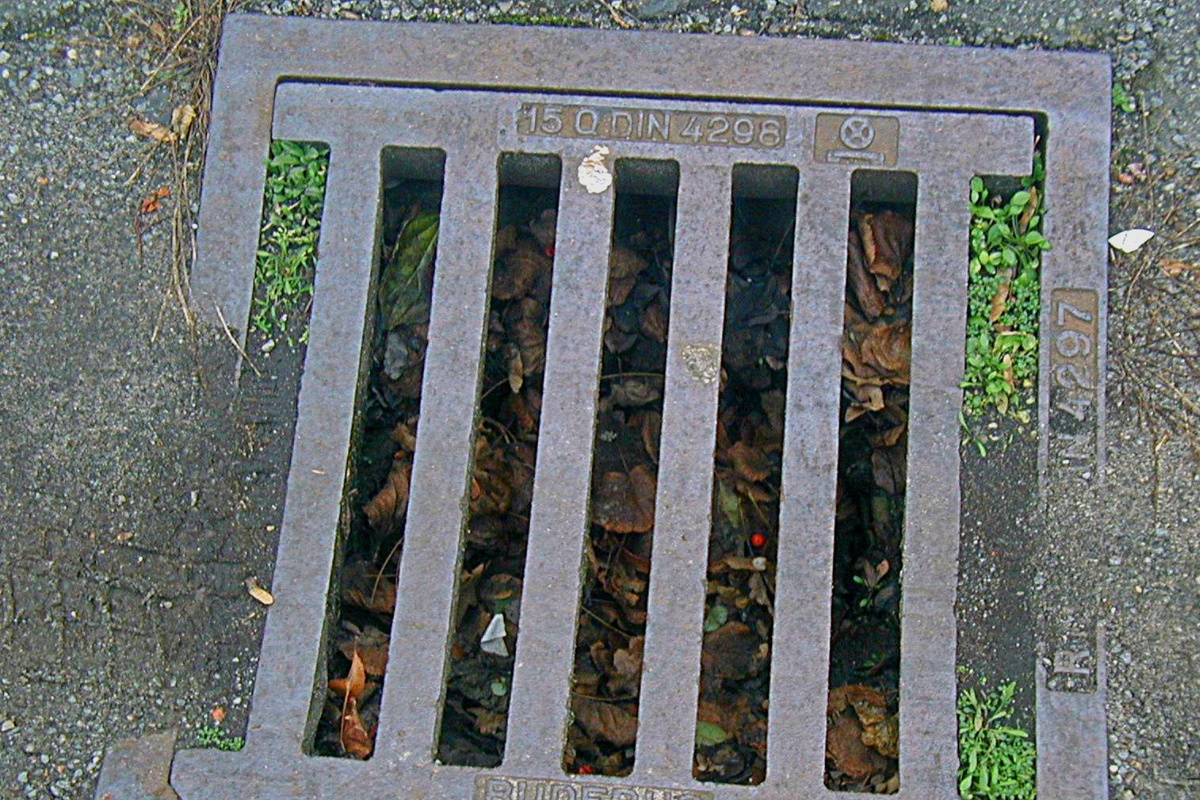 Motorhome Waste Dumping Sparks Coastal Pollution Fears In Scarborough
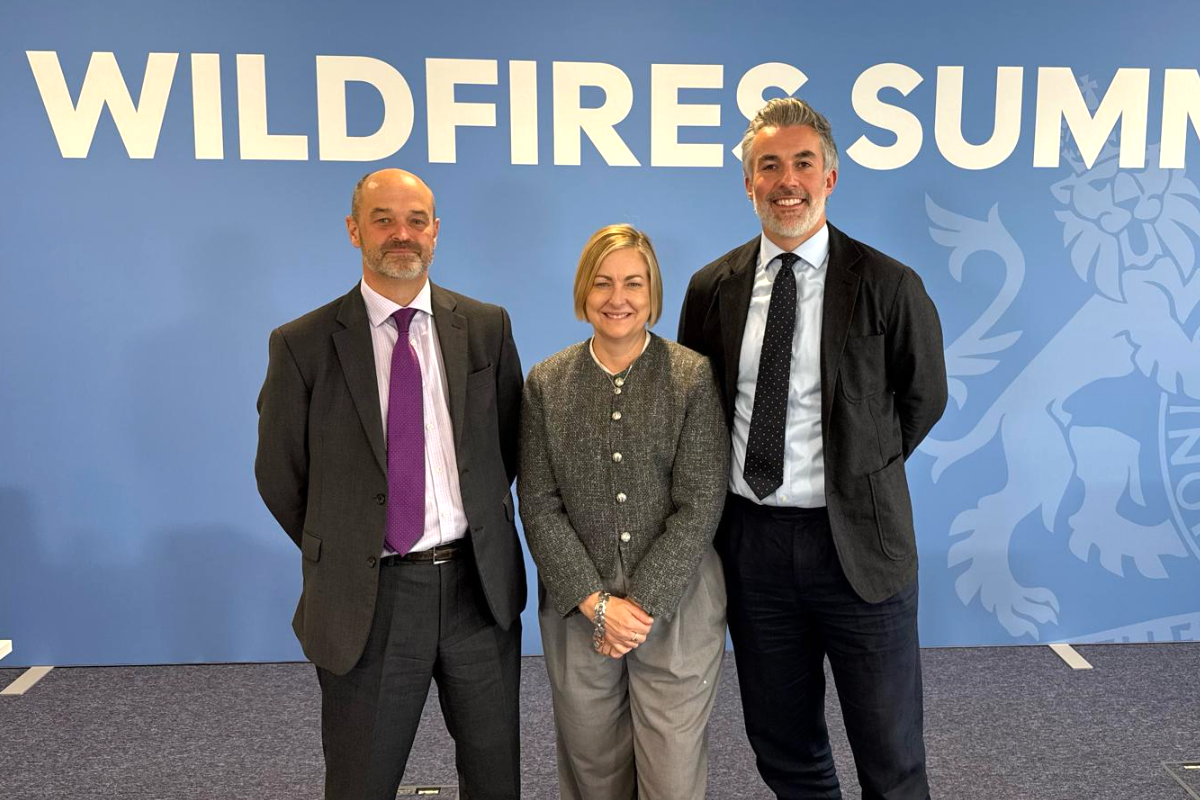 Military Aircraft And Millions In Funding To Tackle Future Wildfires on The Yorkshire Coast
 Brunswick Centre Cinema Plans Must Return To Planning Process
 Scarborough's Freddie Gilroy Statue Could Be Moved Under £50k Plan
 Whitby Town Target Fourth Unbeaten Match In Manchester Away Clash
 Bridlington Town Target Trophy Giantkilling
 Yorkshire Coast Rugby Action- Boro Head North












Comments
Add a comment