

A new report commissioned by the Mayor of York and North Yorkshire, David Skaith, has proposed a flat £1-a-night visitor levy across the region to help support local services and fund tourism infrastructure.
The independent assessment, published by the York and North Yorkshire Policy Lab, reveals that the modest charge on overnight stays could generate up to £26 million annually to invest back into the region’s £6.2 billion visitor economy.
The study, commissioned by Mayor David Skaith, recommends a flat £1 per night fee managed through a simple, low-cost digital platform. To reduce the burden on smaller businesses and campsites, the report suggests potential exemptions for low-cost stays.
Researchers found that modest charges do not deter tourists from visiting highly appealing destinations, noting that visitor growth in places such as Edinburgh, Manchester, Paris, and Barcelona has remained steady following the implementation of similar schemes.
Professor Brendan Paddison, Dean of York Business School at York St John University and academic lead for the Policy Lab, explained the scope of the project. Professor Paddison said:
"We've been asked by the mayor of York and North Yorkshire to look in depth at what a visitor levy would mean for the York and North Yorkshire region. In particular, to think about the implications of a visitor levy, in terms of governance structure, in terms of engagement, in terms of how that money could be spent.
Our recommendations that have come out of speaking to stakeholders from across the region, both local residents, politicians, businesses within the sector, hopefully captures their concerns about the implications of a visitor levy, but also some of the opportunities that a visitor levy could bring to the region.
A charge of a £1 per room per night, which generates around 26 million a year."
The research was split into two distinct phases, combining data analysis with extensive local engagement. Professor Paddison outlined the methodology. Professor Paddison said:
"At York St John University, we've we've got expertise in tourism and in doing this type of research. There's been two parts to the project really. One part has been a desk-based research and analysis to looking at the data that exists around visitor numbers to the region and then modeling what that might mean under different types of levy schemes.
We've done quite a lot of research looking at other schemes in Europe and the impact those schemes have had and what we can learn from those schemes and how money collected in those schemes is spent, and what impact that has had on those destinations.
And then the second part has been speaking to people across the region. So getting their insights into their genuine concerns about a visitor levy and the impact it might have on their businesses, but also the opportunities that a visitor levy brings."
The findings have led to several key proposals for local leaders to consider before any scheme is implemented. Professor Paddison detailed the next steps:
"Our report has done a detailed analysis of the impact, the implications, the opportunities, and the challenges of a potential visitor levy for York and North Yorkshire. We've modelled the potential revenue that could be generated through a visitor levy. We've also spoken to people across the region to get a sense of their concerns about a levy, what that would mean for them and their businesses, and also looked elsewhere to other parts of Europe to see what the impact of a visitor levy has had on destinations there.
And through that, we've identified a series of recommendations for the mayor to consider, ranging from the need for a more formal feasibility study that does a more detailed economic model, through to considering establishing a visitor levy advisory board that brings hospitality businesses in on decision making around how a visitor levy is spent."
However, the proposal has sparked a live debate between those who see it as a vital funding boost and hospitality businesses worried about the administrative burden. For the picturesque Yorkshire Coast, the stakes are particularly high.
Coastal Communities in the Spotlight
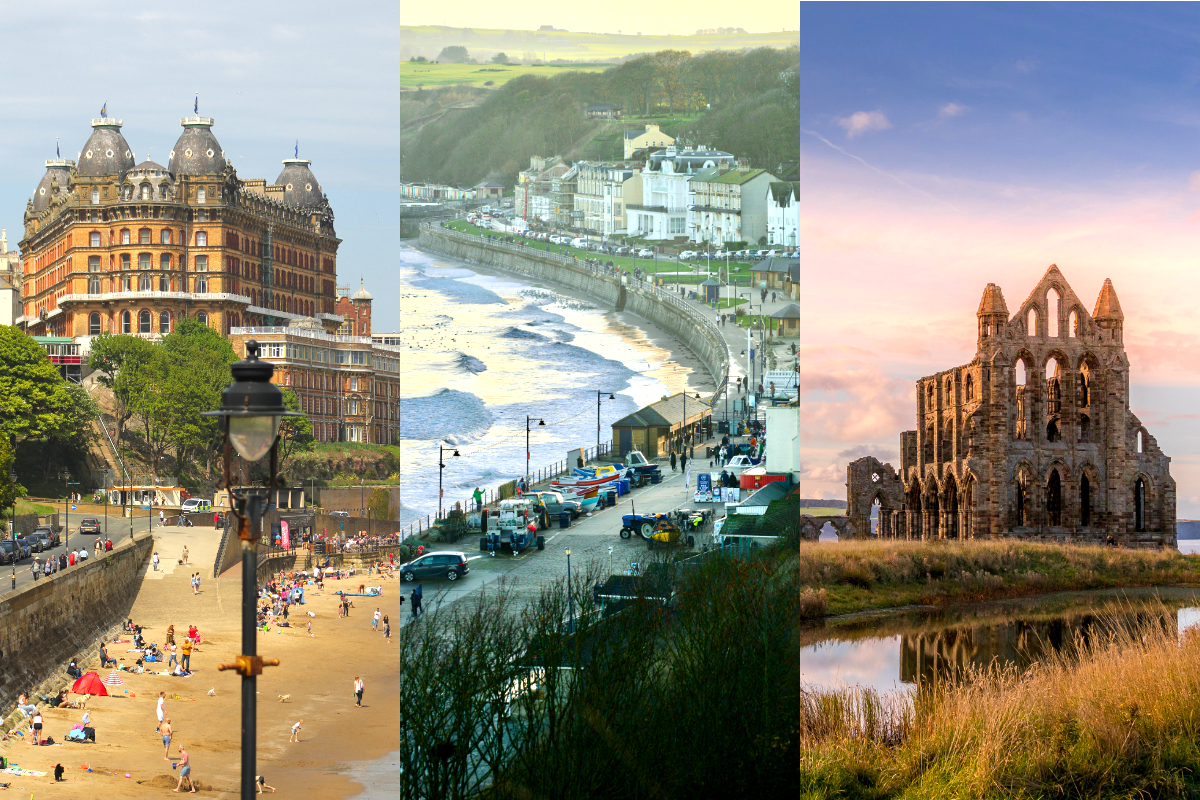
Coastal areas such as Scarborough, Whitby, and Filey attract millions of tourists every year, but this high volume places a distinct strain on local public realms. The report explicitly notes that coastal communities face intense pressures on their seafronts, car parks, and beach infrastructure.
To prevent coastal towns from being left behind, the Policy Lab recommends that a geographic allocation formula should be established to ensure these seaside areas benefit proportionately from the revenues they help generate.
Without such a redistribution mechanism, the report warns, rural and coastal communities risk absorbing the environmental and infrastructure costs of tourism without receiving an equitable share of the funding.
Mayor David Skaith has championed the potential benefits for these local communities, stating:
"Thriving communities and thriving destinations go hand in hand, but welcoming so many visitors puts pressure on the infrastructure and services our residents rely on".
He described the proposed levy as a potential "total game changer" that would allow the county to invest in both its residents and its hospitality businesses.
A Balancing Act for Small Businesses
While the revenue potential is clear, the tourism sector has raised significant concerns. Industry bodies like UKHospitality have highlighted the cumulative tax pressure on businesses already operating under a standard 20% VAT rate, raising fears about the region’s competitiveness.
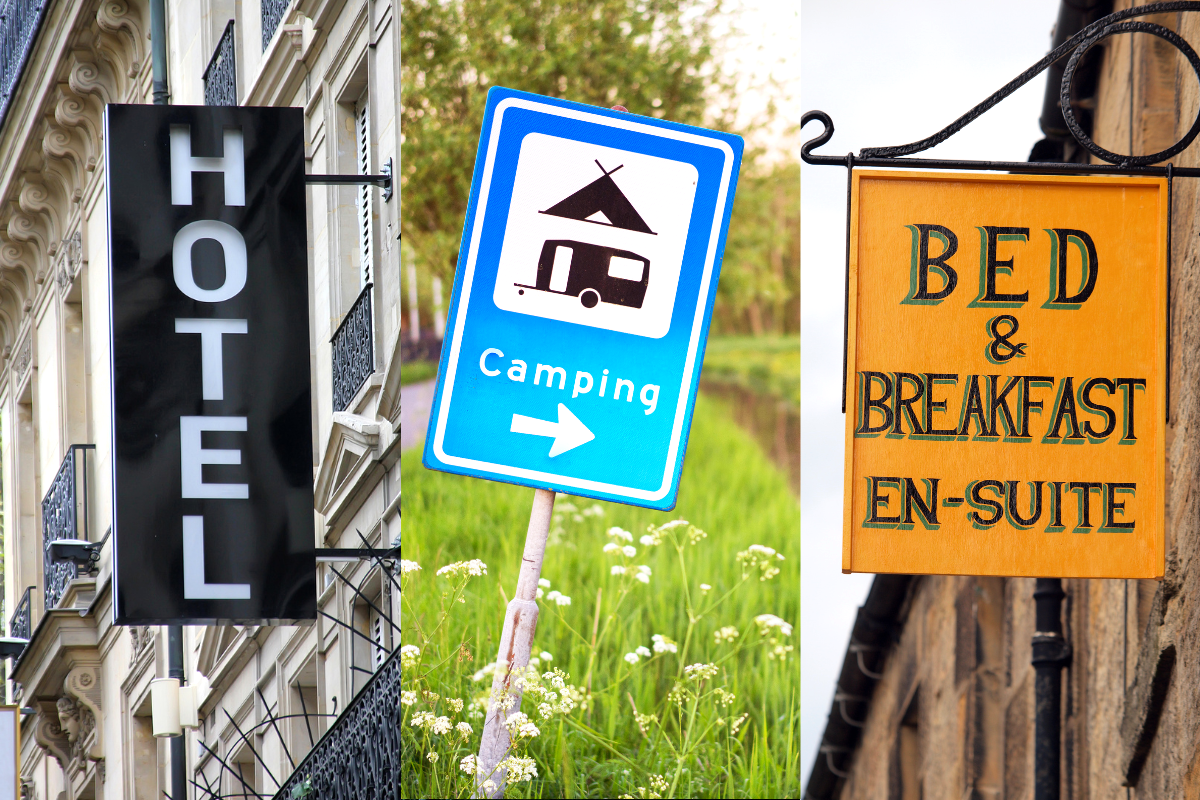
The operational reality of collecting the levy is also causing anxiety. The Yorkshire Coast’s visitor economy relies heavily on small, independent accommodation providers, including family-run bed and breakfasts, guesthouses, and self-catering holiday lets.
The report acknowledges that these smaller operators will face proportionately higher administrative costs than large hotel chains with advanced management software. To mitigate this, the Policy Lab recommends introducing a simple, low-cost digital platform and allowing quarterly, rather than monthly, remittance periods for smaller businesses.
Additionally, the authors argue that a flat-rate levy is the most deliverable starting point because it is simple to calculate, report, and audit compared to complex percentage-based models.
This is illustrated by the experiences of other UK authorities. The Policy Lab points to The Highland Council in Scotland, which was forced to pause its plans for a 5% percentage-based levy in 2025 following intense pushback from accommodation providers over administrative complexity. The report attributes this to a "design and process failure" rather than an issue with visitor levies themselves.
An Informed Conversation
Academics behind the report stress that the publication is designed to foster balanced dialogue rather than force immediate policy changes. Professor Brendan Paddison, the academic lead for the Policy Lab and Dean of York Business School at York St John University, emphasised that the report is about
"giving the Mayor, businesses and communities the evidence they need to have an informed conversation".
“Good policy starts with good evidence. This report is not about making the case for or against a visitor levy, it is about giving the Mayor, businesses and communities the evidence they need to have an informed conversation about what could work for York and North Yorkshire. Our findings suggest that a visitor levy is a viable option worth exploring further, but the detail matters.
Professor Paddison added that any future levy must be
"simple and proportionate, underpinned by transparent governance and meaningful engagement with businesses and communities.
Crucially, there must also be a clear commitment that any revenue raised is invested back into the places and visitor economy that generate it, with benefits that are visible to businesses, visitors and communities across York and North Yorkshire.”
The national legislative framework is currently moving forward, with the English Devolution and Community Empowerment Bill progressing through Parliament. This legislation is set to grant English mayors the legal power to introduce such discretionary levies, with the earliest realistic implementation expected around 2027 or 2028.
The report concludes with a clear recommendation for the Combined Authority to proceed to a structured feasibility and development phase without assuming final implementation. Mayor Skaith has committed to "keep talking with the sector as the details come together" to ensure any future steps are developed transparently and in partnership.
The full report can be seen here Open file
Related Stories
 6 Sep 2026 - With the independent report commissioned by Mayor David Skaith proposing a flat £1-a-night visitor levy, local residents and hospitality ...
 6 Sep 2026 - As York and North Yorkshire moves closer to a formal debate on a proposed overnight visitor levy, how have similar schemes have performed ...

 FLOOD WARNINGS Issued For Scarborough's Foreshore Road & Sandside
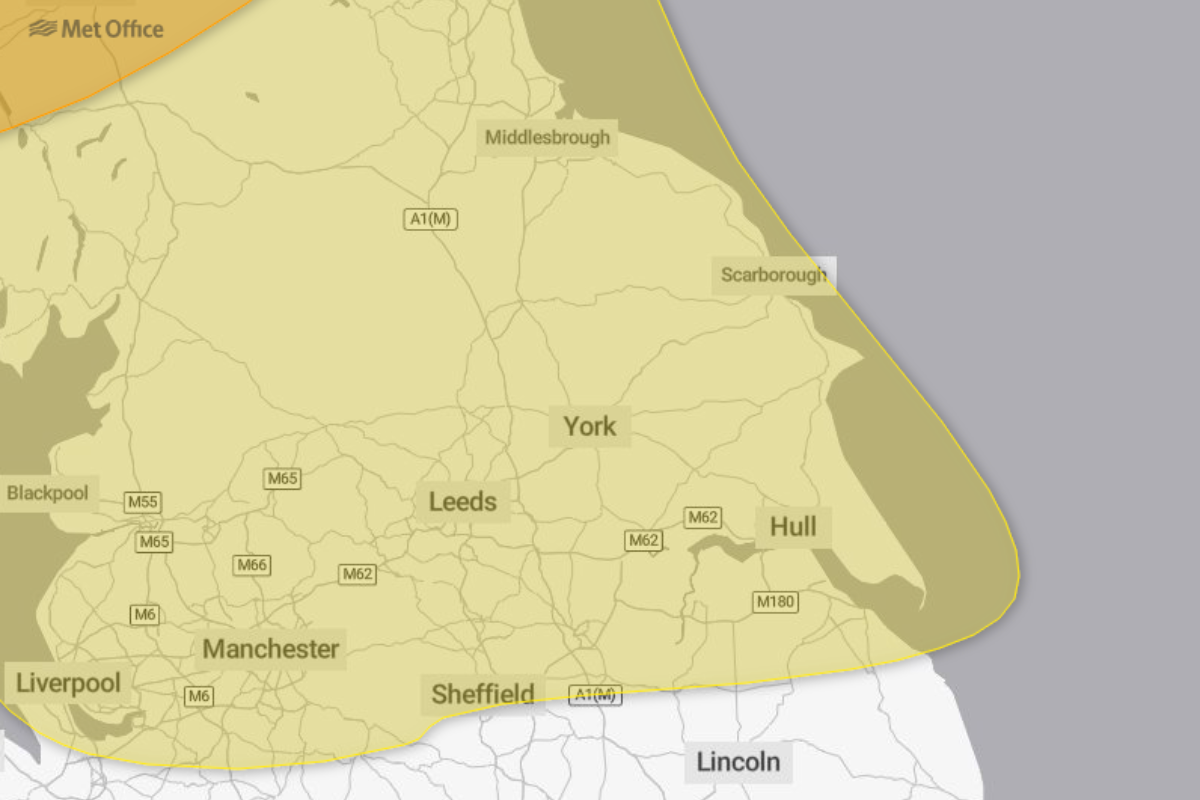 Severe Winds And Coastal Danger Expected As Storm Boelo Hits This Weekend
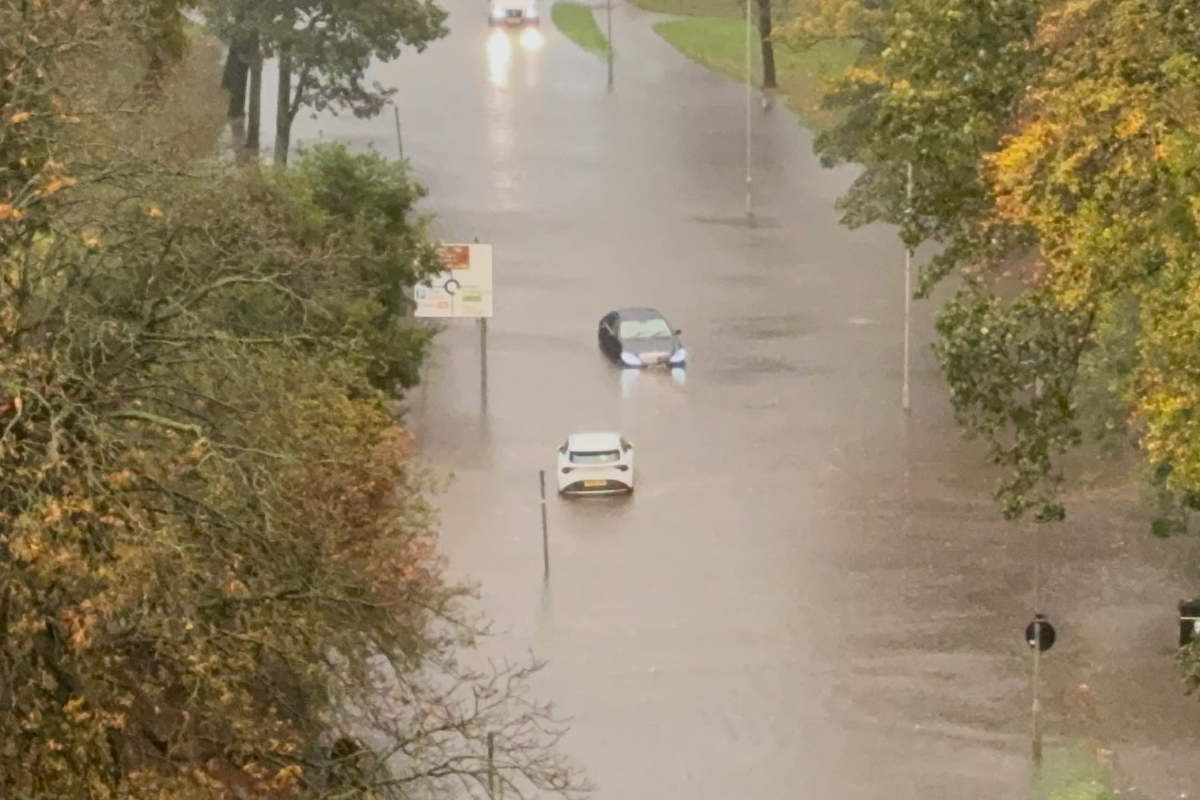 Flash Flooding Hits Scarborough - Police Say Stay Away From Town Centre
 Scarborough Athletic Match To Go Ahead Despite Flash Floods As Manager Eyes Transfers
 Coastal Light Events Cancelled As Storm Boelo Brings Severe Winds
 Motorhome Waste Dumping Sparks Coastal Pollution Fears In Scarborough
 Military Aircraft And Millions In Funding To Tackle Future Wildfires on The Yorkshire Coast
 Brunswick Centre Cinema Plans Must Return To Planning Process
 Scarborough's Freddie Gilroy Statue Could Be Moved Under £50k Plan
 Whitby Town Target Fourth Unbeaten Match In Manchester Away Clash
 Bridlington Town Target Trophy Giantkilling
 Yorkshire Coast Rugby Action- Boro Head North











Comments
Add a comment