

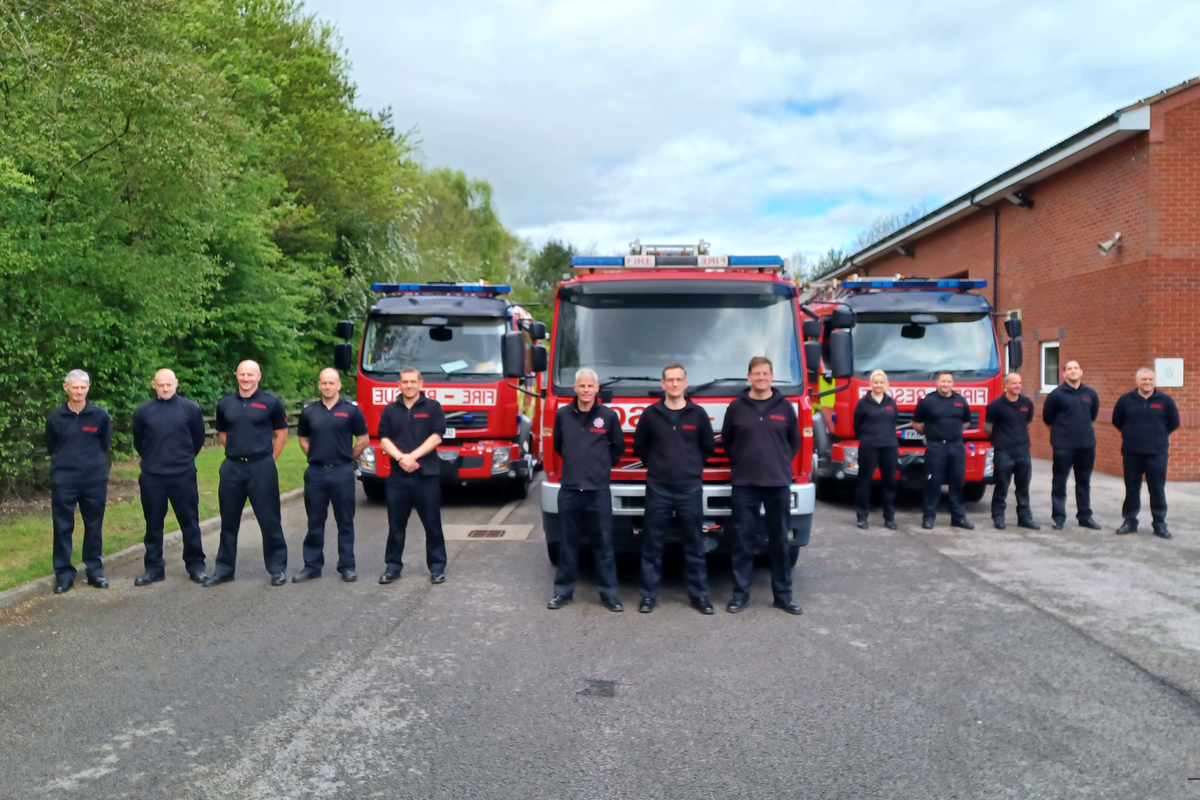
Fire crews across North Yorkshire have maintained their response time targets over the last financial year, despite average attendance times lengthening following major incidents like the Langdale Fire.
Response times for fire crews operating across North Yorkshire have seen a noticeable increase during the most recent financial year, although the emergency service has confirmed it is still successfully hitting its established performance targets.
The lengthening of average attendance times has been partially linked to significant operational demands and large-scale emergencies over the past twelve months.
A primary factor contributing to the stretched resources was the major national response required for the Langdale Fire, which occurred in August of last year.
Despite the challenges posed by such high-pressure incidents, the region's fire and rescue service has managed to stay within the strict boundaries of the response criteria agreed upon with local residents.
These performance benchmarks were introduced relatively recently to ensure that the public has a clear understanding of the emergency service levels they can expect, while also providing a mechanism for accountability.
The framework distinguishes between different types of call-outs based on the severity of the threat, separating high-priority residential blazes from less urgent incidents.
Ben Illsley, the Area Manager and Director of Operational Support and Assurance for North Yorkshire Fire and Rescue, explained the history and the reasoning behind the current performance metrics.
Mr Illsley said:
"So, if you recall, over a year ago now, we went out to public consultation to set standards so we could be open and transparent with our public about the level of service they should expect and hold us to account on. So we set two response standards. So the first one is an overall incident response standard of 13 minutes. So on average for all the incidents we attend, which includes some that we don't respond to on blue lights because they're lower risk, we will get to within an average of 13 minutes. And then when there's a fire in somebody's home, dwelling fires, where we always go on blue lights and it's high risk for us, on an average of less than 11 minutes. We will and have met our response standards for this year."
Under the current system, the service aims to reach all general incidents within a combined average of thirteen minutes.
This broader category factors in lower-risk situations where fire engines travel under normal road conditions and do not use blue lights or sirens.
For the most critical emergencies, specifically fires within residential properties, the target is significantly tightened.
In these high-risk scenarios, crews always deploy with blue lights, aiming for an average arrival time of under eleven minutes.
Provisional performance data indicates that the general response time across the county currently sits at twelve minutes and fifteen seconds.
Meanwhile, attendance at house fires is tracking at an average of ten minutes and fifty-two seconds.
These preliminary figures are expected to be refined as the organisation completes its thorough data verification processes for the final quarter of the financial year.
Mr Illsley noted that the final statistics could still shift downwards before the annual report is officially signed off, though they will likely remain above the previous year's baselines:
"There is further quality assurance to be taken place over the last three months to go back to the year. So we do expect to see them come down further. So at this point in time we're representing a response standard for all incidents of 12 minutes 15. As I said I expect that to come down further. And for dwelling fires of 10 minutes 52. And again expect that potentially to come down further as well. So they are potentially both going to be slightly higher than they were the previous year."

 Solar Panels Confirmed For Whitby And Eastfield Public Buildings To Cut Energy Bills
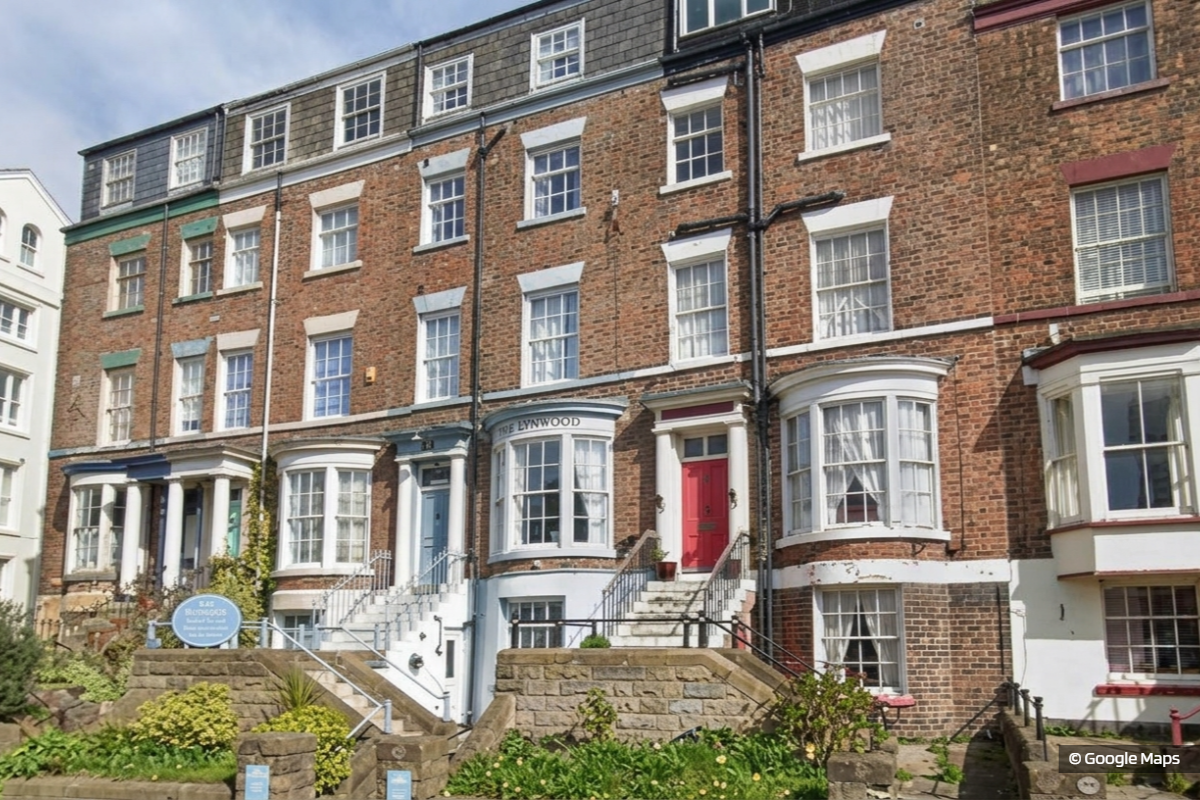 Scarborough HMO Growth Sparks Fresh Tourism Concerns
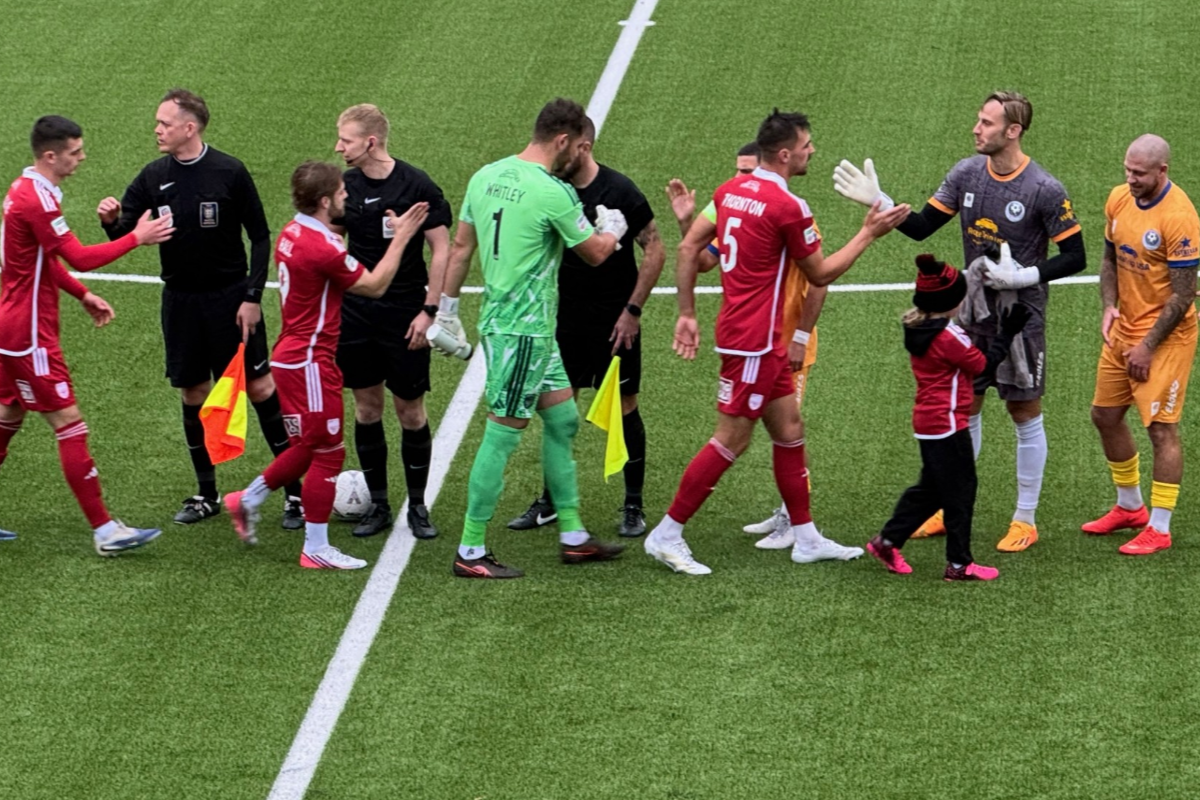 BLOWN OFF COURSE: Late Penalty Spoils Boro’s Comeback Hopes
 Giantkilling Bridlington Town's Trophy Triumph
 Whitby Town Lose Out In Six-Goal Thriller
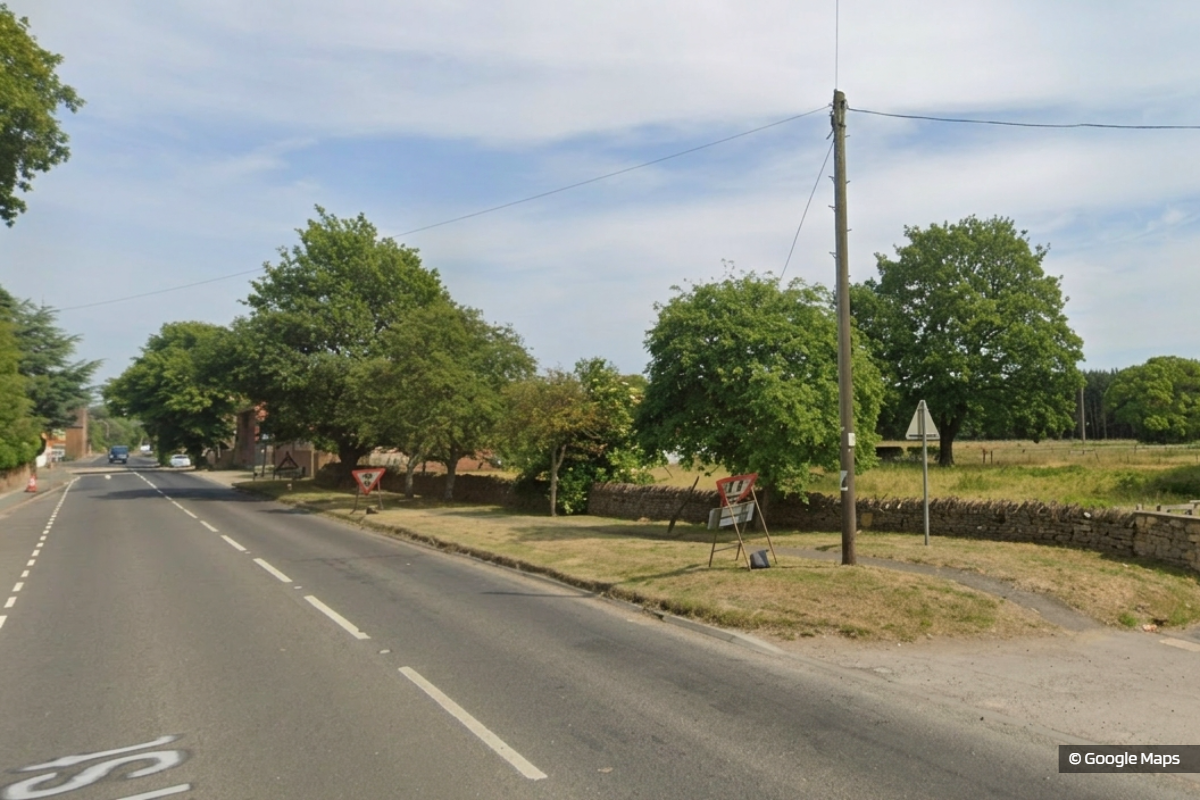 52 New Homes Approved in Sherburn Despite GP Surgery Capacity Warning
 Pickering Town Punished By Visitors
 Scarborough Dealer Jailed
 Over 500 Homes In Scarborough And Whitby To Receive Energy Efficiency Upgrades
 FLOOD WARNINGS Issued For Scarborough's Foreshore Road & Sandside
 Severe Winds And Coastal Danger Expected As Storm Boelo Hits This Weekend
 Coastal Light Events Cancelled As Storm Boelo Brings Severe Winds