

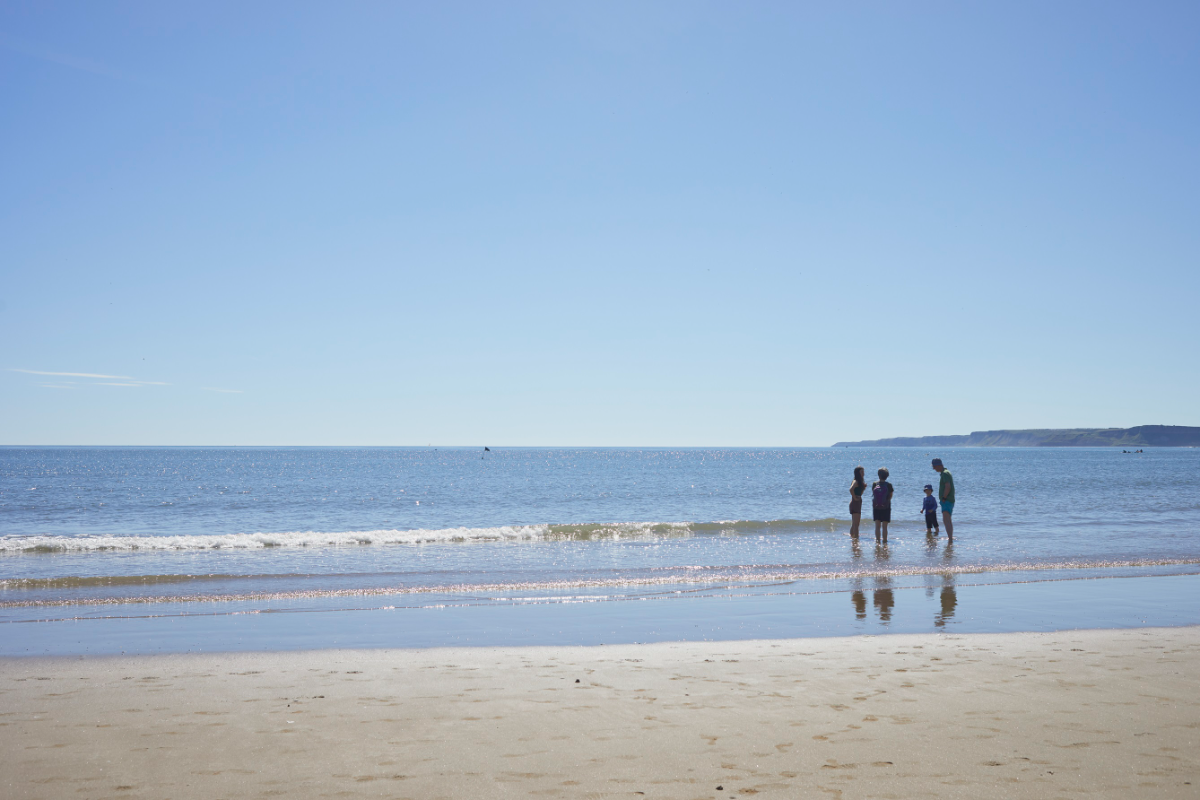
Yorkshire Water and the Environment Agency are rolling out a £150 million investment and advanced monitoring technology to tackle the persistent bathing water quality issues in Scarborough.
The ongoing poor classification of Scarborough's South Bay bathing water has caused significant frustration among local representatives, but major investments are now underway to improve the town's water infrastructure.
Local figures, including Councillor Rich Maw and Councillor Roberta Swiers, have voiced concerns over the timeline for improvements and the potential risks to public health and the reputation of the Yorkshire Coast resort.
In response to these challenges, Yorkshire Water has announced a massive investment programme, valued at approximately £150 million, aimed at reducing spills from five combined sewer overflows in Scarborough to no more than two per bathing season by 2030.
Miles Cameron, Manager of Strategic Partnerships at Yorkshire Water, highlighted the scale of the upcoming works.
He said:
"There are a number of assets that we are driving investment for that we'll be delivering over the next four years.
There are a number of overflows and treatment works. These sites will be getting significant refurbishment or upgrades over the next four years. Anything up to 150 million pounds, which is a significant sum.
This is 120 to 150 million just in one town in Scarborough. So it's a significant investment and we must get it right. So lots of engagement over the coming months, you'll see that, you'll see Yorkshire Water present in the community as well. Make sure that people feel and do see a presence and can ask questions and be available."
The company has already completed a £2.4 million upgrade at Wheatcroft to boost storage and reduce discharges, and a £3 million scheme at Whitby Road Bridge is nearing completion to reduce discharges into Jacksons Bay. Furthermore, their ultra-violet disinfection system has been optimised to create a 42 per cent improvement in treatment efficacy.
These infrastructure improvements have already contributed to an 83 per cent reduction in storm overflow discharge duration and a 65 per cent reduction in discharge events during the 2025 bathing season compared to 2024.
Adam Ashman, Head of Strategic Partnerships and Sustainability at Yorkshire Water, explained the focus of the continued investment.
He said:
"The investment that we're going to do next is about reducing the number of storm overflows. So storm overflows contain an awful lot of grey water and it contains the normal amount of sewage, but there's no disinfection. So by reducing the number of those storm overflows, that further reduces the impact of bacteria from our assets.
What it won't do is fix all of the other sources., agriculture, sand, septic tanks, and misconnections, that all needs doing as well.
So the standard for achieving excellent is so tight that we can't take a risk on any of those. We've got to address it all through the partnership."
The complexity of the pollution sources has been a subject of debate. Two scientific reports recently came to differing opinions on the impact of seagulls, with Professor Darren Grocke of Durham University pointing to human and animal sewage from Scalby Beck, while the Environment Agency maintains that seabird DNA is constantly present in the South Bay.
To better understand and manage these varied sources, new monitoring and inspection strategies are being deployed. The Environment Agency plans to install continuous water quality monitors and target agricultural inspections.
Martin Christmas, Area Environment Manager for the Environment Agency, outlined their approach.
He said:
"We currently got continuous water quality monitors that we refer to as sondes located in Scalby beck and Peasholm beck. These are not collecting bacterial information, but they will collect physical and chemical information that can give you an indication as to when water quality is changing.
We're also planning to use the work that Professor Grocke has done in terms of indicating agricultural inputs along Scalby Beck and the aerial photography work that Yorkshire Water have done, we're going to be focusing a lot of our agricultural inspection work through our Ag team, we'll be including the Scalby Beck catchment. And that is largely around making sure that agri-businesses are complying with best practice standards."
In addition to these measures, Yorkshire Water is trialling innovative solutions, including a £400,000 aerial mapping survey to identify run-off risks and a collaborative project deploying Ocean Health Units, known as 'Kelpedos', to grow seaweed and support mussel habitats in Cayton Bay and North Bay. The company's bathing water team is also supporting the deployment of 2,500 water butts in Scarborough to help communities manage surface water.

 Scarborough's Alpamare Waterpark Expected to Be Sold to 'Protect Its Future' With Private Investment
 Bridlington Woman Arrested On Suspicion of Drink Driving
 Scarborough Extreme Brings Free Urban Sports To North Bay This Weekend
 Scarborough Athletic Begin FA Cup Campaign With Dunston Clash
 Classic Motorbikes Embark On Coast-To-Coast Challenge For Scarborough Hospice
 Pickering Man Jailed After Sex Assaults
 Bridlington Town Target Fourth Consecutive Victory In Silsden Clash
 Big Kick Off For Whitby Rugby Club
 Pickering Town Aim To Continue Winning Run
 Scarborough Hosts National Celebration Of Seaside Heritage And Coastal Culture
 Bus Passengers Promised Better Services As New Five-Year Plan Revealed
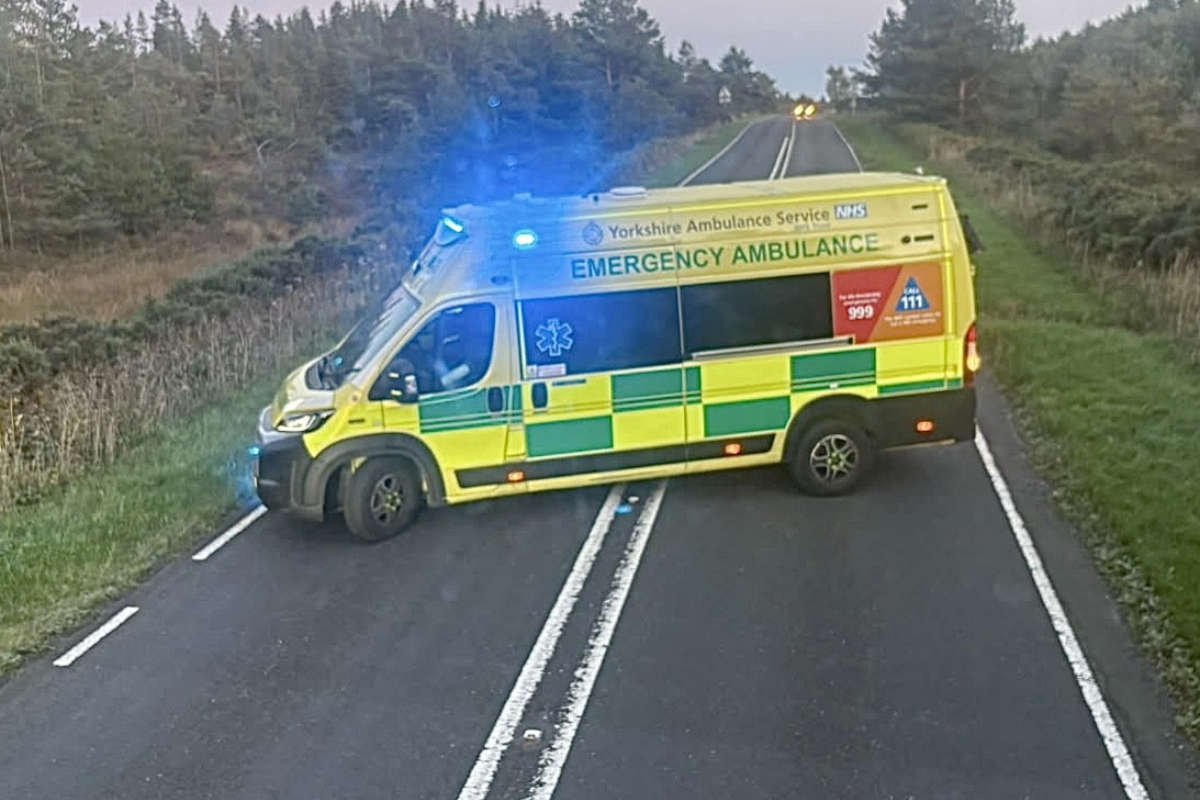 Motorcyclist From Whitby Area Dies In Collision Near Fylingdales