


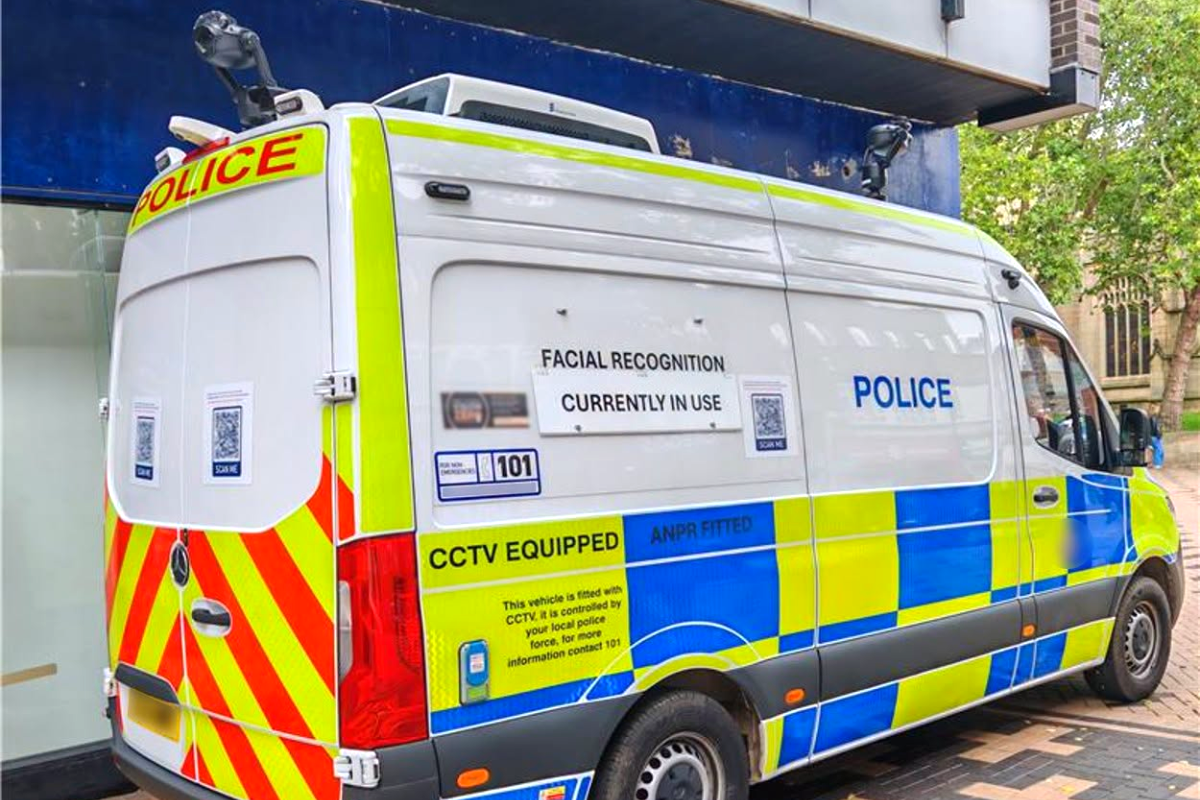
Live facial recognition technology will begin scanning crowds in North Yorkshire this week to identify wanted criminals and locate vulnerable missing people.
North Yorkshire Police officials confirmed the first deployment of the new surveillance technology will take place in York city centre on Wednesday, September 23.
Biometric templates of faces captured on live video feeds will be instantly compared against tailored watchlists of individuals sought by the courts or police. Surveillance operators will receive an alert if a similarity score exceeds a set threshold, allowing officers on the ground to intercept the individual.
Police chiefs stressed that an automated alert does not establish a person's identity. Any possible matches generated by the system will be reviewed by a trained human operator who will decide if further action is required before deploying units.
DCI Jez Barley explained how the system operates in practice.
"So, it will take a snapshot of a subject's face and then match that to the watchlist to see whether the algorithms meet.
And then that will then flag up to an operator in the van, who will have that human eye and decision-making over whether they put that out to the engagement officers outside of the van that are positioned to engage in "man in a red top, please stop that person, he's wanted for burglary" potentially.
And then they will then do their due diligence as they would on the streets if they stopped someone they thought was wanted for whatever offence or to prevent something, someone from entering an area."
Custom watchlists will be prepared for each specific deployment. Police officials state these lists will include suspects, people unlawfully at large, individuals likely to breach bail conditions, and those presenting a risk of harm to themselves or others. The inclusion of any individual on a watchlist must be deemed necessary and proportionate, supported by a clear policing purpose, and reviewed prior to the cameras being switched on.
DCI Barley outlined the criteria for who might be targeted by the cameras.
"The most likely use of it would be to identify those wanted for criminal offences or by the courts, but it can also include preventative measures. So, for example, prevent people from entering areas. An example of that might be football banning orders, but also to locate people where intelligence suggests that they might be vulnerable or at risk at harm as well.
So, your high risk missing people, potential people on registered sex offenders, orders, and things like that that we might want to prevent from going to certain events for a safety element, and also, if we know that there's an incident going to occur that could involve violence, then we could deploy to that to be able to use it as a preventative measure."
Privacy safeguards will see biometric templates and extracted images of innocent bystanders deleted automatically and immediately if no match is generated. Standard underlying CCTV footage will be retained for up to 31 days, while data from successful matches will also be deleted at the conclusion of the deployment unless required for ongoing legal proceedings or complaints.
Algorithms powering the facial recognition software have undergone testing by the National Physical Laboratory. The world-leading measurement centre designed a specific test plan to identify any potential impacts on protected characteristics.
Police forces report that the technology can be operated at settings that show no statistically significant difference in performance across different demographic groups, including race, age, and sex. An Equality Impact Assessment has also been completed prior to the launch.
Public awareness campaigns will accompany the roll-out to ensure the technology is used transparently. Officers will distribute information leaflets and display posters at deployment sites, while dates and locations will be published online several days in advance. Dedicated officers will also be stationed alongside the cameras to explain the technology to members of the public.
Other police forces across the country are already using similar technology to successfully locate wanted individuals more efficiently and deter crime through targeted deployments.

 Outdoor Fires Surge Across North Yorkshire Over Summer Months
 Scarborough Athletic Bids To Change Alcohol Rules To Improve Matchday Experience
 Is The Mayor Of Hull And East Yorkshire Planning A Huge Boxing Comeback?
 Scarborough and Bridlington Residents Given Chance To Question Local Hospital Bosses
 New Cycling Routes Bring 'Champagne Gravel' Adventures to the North York Moors
 Two Drivers Seriously Injured In B1249 Crash Near Foxholes
 Pebble Protest - Dozens Of Painted Pebbles Appear At Scarborough Spa Cliff Lift
 Fracking Loophole Must Be Closed To Protect Coastal Communities, MP Warns
 Claims Asylum Seekers Will Be Housed In New Council Properties Rejected As £18m Scheme Approved
 RAF Fylingdales Recognised For Six Decades Of Service To Whitby
 Future Of Whitby Football Club Secured With Three-Acre Land Gift
 Prospects for Reopening Scarborough's Spa Cliff Lift to Be Debated by Councillors