
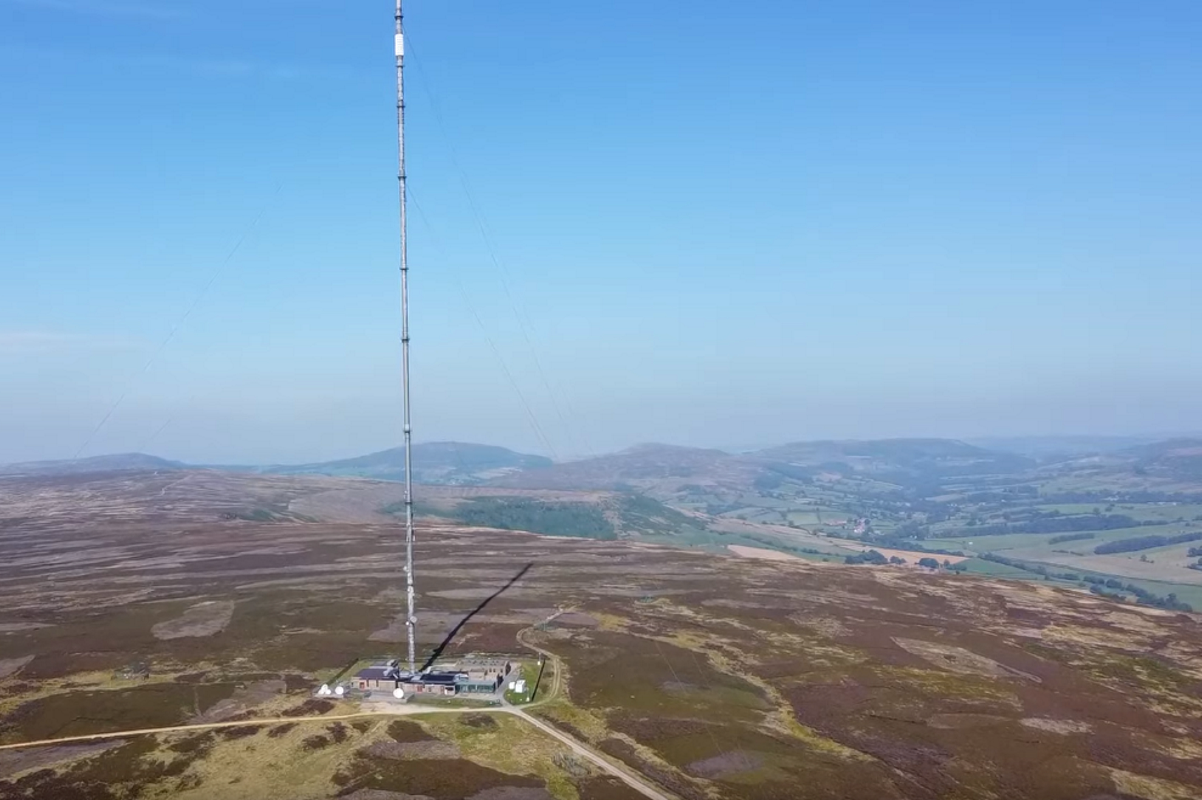
Work to replace the TV transmitter looks set to start in the coming days after plans for a less obtrusive structure at the “country’s most environmentally sensitive site” have been given the go-ahead.
However, it has emerged residents whose television reception remains affected or limited since a fire wrecked Arqiva’s 300-metre high mast at Bilsdale in the North York Moors National Park last August face a 19-month wait before the complex construction project is completed.
According to the mast’s owners Arqiva, when a new interim transmitter is launched on Wednesday, it will mean more reliable signals in bad weather for households across swathes of northern England and more than 98 per cent of homes across the region will have had some of their TV services restored.
Along with two mines and RAF Fylingdales, the Bilsdale transmitter is one of four big developments in the national park that are given consent due to a recognised “national need” to be there.
The transmitter’s site on moorland at about 2,500ft is needed to get coverage right across northern England to get deep into the Yorkshire Dales, over the Pennines, to Durham and Northumberland and parts of North Yorkshire.
Nevertheless, the site is highly protected as it is within a national park and defined in the Local Plan as a “core remote area” where hardly any development should take place.
In addition, it is within internationally designated areas of special conservation and protection to safeguard heathland and important bird species, part of a Site of Special Scientific Interest and inside a International Dark Nights Skies Reserve.
North York Moors National Park Authority director of planning Chris France said:
“This is a huge project, a whopping piece of development, in what is probably the most sensitive and protected spot in the entire country. Managing that has been incredibly challenging.”
He said the new mast would lead to environmental improvements at the site, including the eradication of seven hectares of bracken and its replacement with heather habitats for highly protected species such as golden plover and merlin on Easterside Hill, near the mast.
Although the new mast structure, work on which needs to start in the next fortnight before the bird nesting season starts, will remain visible from many miles around, it has been a agreed it should be a see-through lattice rather than the former steel pole to reduce its “bulk”.
While nothing could be done to reduce the night skies pollution impact of the red warning lights for aircraft on the mast, the firm is providing funding to lessen light pollution and impacts on landscapes elsewhere in the park.
Mr France said:
“We have worked very closely and well with the company in getting a number of permissions out, including two temporary masts and the demolition of the main mast, that have all had to go through the Habitats Regulations Assessments.
“The national park has obviously been conscious of the national significance of getting those masts back, not only just for TV coverage, but also of security issues and national communications during a time of pandemic. Imagine if the media couldn’t talk to people with an impending storm coming."
Mr France said due to the complexity of the site’s protections and a recognition of the transmitter’s national importance, the authority had faced “incredibly challenging timescales” to approve plans for it.
He said:
“It has been a long haul since October. It has tied up a little team of ecologists, planners and legal experts to go through incredibly complex processes with Arqiva and their planning consultants. That process has also involved discussions with government ministers and high-level discussions with Natural England about mitigating the impacts of the development.”
“The site is hugely significant, but also hugely impactful and extremely protected. So we have worked hard to go through all those different regimes to get those different permissions. In the end, we’re really pleased with the fact that we’ll have a new mast that’s going up that’s slightly less intrusive.
“We’re getting some very good biodiversity net gains from the company, who are paying for an increase in heather habitat elsewhere on the protected sites in the Hawnby Estate.”
Arqiva has been contacted for comment, and said it would issue a statement imminently.

 Nine Minutes from Glory: Heartbreak for Boro as Macclesfield Snatch Late Replay
 East Riding Mum Ventures Change To System After Second Term Time Holiday Fine
 North Yorkshire Faces Major Challenge to Prepare Local Plan in 30 Months
 Pre-Halloween Spooktacular Will Raise Vital Funds For Scarborough Hospice
 Scarborough Foster Couple To Run New Support Hub For Vulnerable Children
 Record Numbers Of Young People Explore Future Careers At East Yorkshire Apprenticeship Expo
 Historic Sleights Pub Set To Reopen Under New Local Ownership
 Patients Could Opt Out of Care Over NHS Data Platform Fears, Councillors Warned
 New Noodle Takeaway Planned For Flagship Filey Holiday Park
 Scarborough Construction Skills Village To Reopen Following £2 Million Investment
 Classic Cars Set To Begin Epic 500-Mile Roman Road Journey From Robin Hood's Bay
 Proposed Tourist Tax Sparks Fear Among Yorkshire Coast Accommodation Providers









Comments
Add a comment