


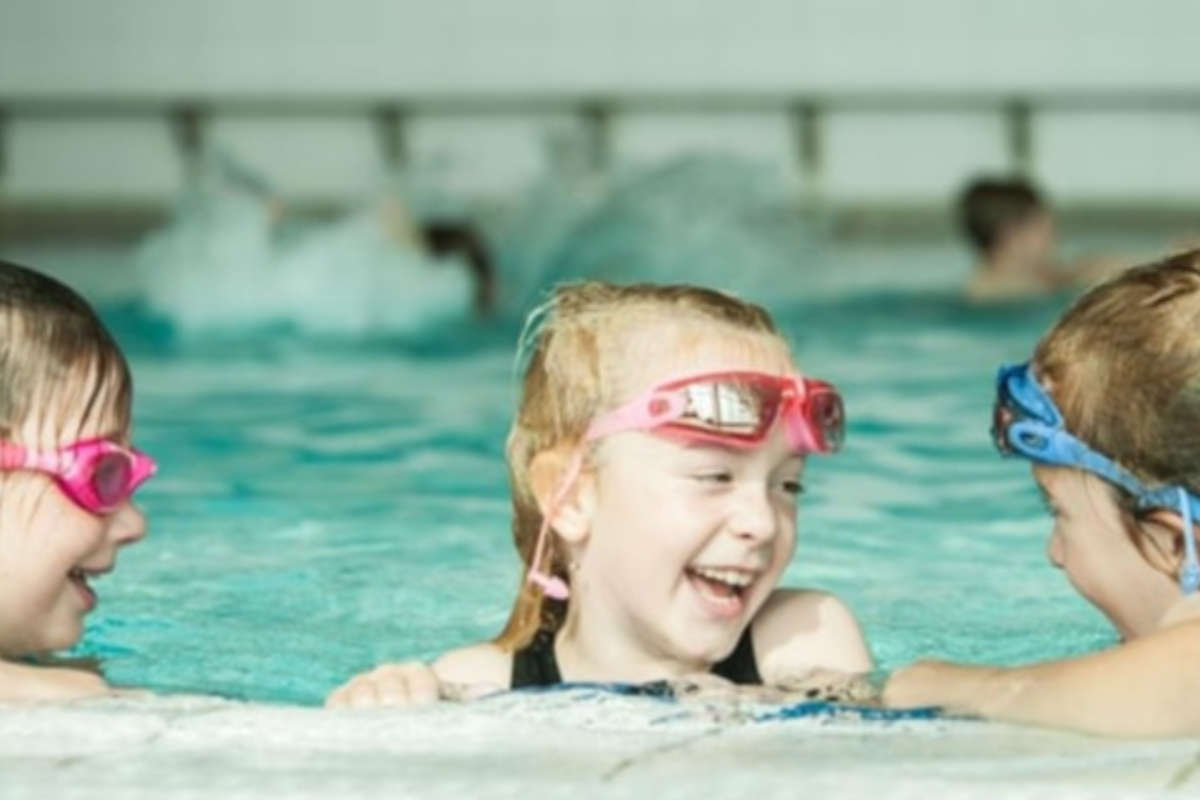
Primary school pupils in North Yorkshire are expected to learn safe self-rescue and swim at least twenty-five metres to help prevent further open water drownings.
Primary school pupils will continue to be taught how to perform safe self-rescues and swim at least twenty-five metres to help prevent further open water tragedies.
Following recent fatal drownings during a heatwave, the importance of water safety education in North Yorkshire has been thrust into the spotlight. The risk of children entering rivers and open water is expected to rise as high temperatures become more frequent.
During a recent council meeting, concerns were raised about how prepared local children are to face these hidden dangers.
Councillor Andrew Murday said:
"In the recent heatwave, there were a number of tragic fatalities and drowning, including one within the North Yorkshire boundaries, and I'm sure we would all offer our sympathies to the families involved. But no doubt as a result of global warming and the ongoing increase in incidences of high temperature, the incidence of such temperature extremes will continue to increase and therefore the risk of children going into rivers and open water. In light of this, I'd like to ask the executive member what proportion of children in infant and primary schools in North Yorkshire have regular swimming lessons as part of, as part of their school timetable, and are all children in North Yorkshire exposed to training to promote safety in and around water."
In response, educational leaders have clarified the statutory requirements placed on primary schools to ensure children are equipped with life-saving skills.
The authority's Executive Member for Education, Learning and Skills, Annabel Wilkinson, outlined the expectations for pupils before they move on to secondary education:
"North Yorkshire schools are expected to provide swimming and water safety education, with pupils taught to swim at least 25 meters, using a range of strokes effectively and perform safe self rescue by the end of primary school. Swimming is the only sport specifically included as a statutory requirement with the primary PE curriculum. The council does not routinely collect data on the proportion of children receiving regular swimming lessons as the organization, frequency and delivery of lessons are determined by individual schools. However, swimming and water safety form part of the curriculum offer in North Yorkshire primary schools in line with national requirements."
While the local authority sets out these expectations, the day-to-day enforcement and monitoring of the swimming curriculum do not happen centrally. Instead, the duty to ensure children are receiving this vital education rests with individual school leadership teams.
Annabel Wilkinson detailed how this accountability works in practice:
"The responsibility to check school's compliance with the national requirements is delegated to the governing board of the school as part of their accountability role. Please be reminded that there is specific water safety guidance for children and adults considering open water swimming due to the dangers this can present and even for accomplished swimmers because water may be deep and can be very cold, even during spells of warm weather."
The push for better education comes alongside stark warnings about the realities of swimming outdoors. Open water environments pose severe risks that are often invisible from the surface, making them dangerous even for those who are confident in a swimming pool.
Annabel Wilkinson highlighted the specific environmental hazards that swimmers face:
"There may be strong currents, which can be a challenge for the strongest of swimmers, especially when combined with deep, cold water. And there may be objects and hazards hidden under the water, which can pose a threat. Steep and slippery banks could make it difficult to get back out of the water, and water quality such as toxic algal blooms and industrial agricultural pollution may be hazardous to health. Residents can access water safety code and further advice from the Royal Life Saving Society's website."

 Nine Minutes from Glory: Heartbreak for Boro as Macclesfield Snatch Late Replay
 East Riding Mum Ventures Change To System After Second Term Time Holiday Fine
 North Yorkshire Faces Major Challenge to Prepare Local Plan in 30 Months
 Pre-Halloween Spooktacular Will Raise Vital Funds For Scarborough Hospice
 Scarborough Foster Couple To Run New Support Hub For Vulnerable Children
 Record Numbers Of Young People Explore Future Careers At East Yorkshire Apprenticeship Expo
 Historic Sleights Pub Set To Reopen Under New Local Ownership
 Patients Could Opt Out of Care Over NHS Data Platform Fears, Councillors Warned
 New Noodle Takeaway Planned For Flagship Filey Holiday Park
 Scarborough Construction Skills Village To Reopen Following £2 Million Investment
 Classic Cars Set To Begin Epic 500-Mile Roman Road Journey From Robin Hood's Bay
 Proposed Tourist Tax Sparks Fear Among Yorkshire Coast Accommodation Providers