

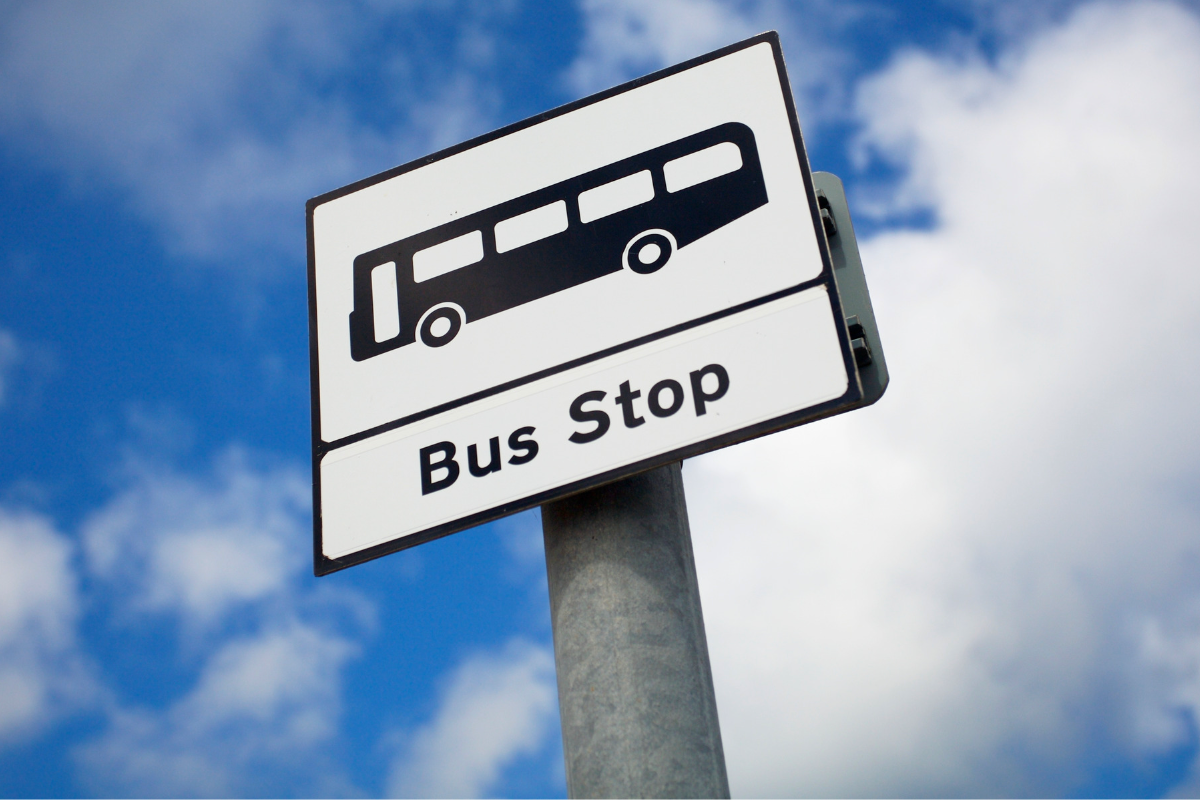
A timeline for the transition of power for public transport in Hull and East Yorkshire has been approved in principle.
The new Hull and East Yorkshire Combined Authority (HEYCA), headed by Mayor Luke Campbell, is to take over from both Hull City Council and East Riding Council as the body responsible for public transport in the region.
Plans for a phased transition have been approved in principle by HEYCA’s Executive Board. The phased approach will see most functions being transferred to HEYCA by October 2026, with a full transition expected by March 2027.
A report to the board explains that from 30 March 2026, HEYCA will officially assume transport responsibilities from a legal standpoint. However, the actual functions will take time to transfer.
An immediate full transfer of all functions this Spring was discounted as a potential option as “it would introduce significant delivery and operational risk during a period of major change in national funding and assurance requirements, require rapid organisational scaling ahead of confirmed capacity and systems being in place, and increase the risk of disruption to passengers, operators and delivery programmes”, the report says. The phased approach is seen as a way of reducing risk and managing continuity for passengers and operators.
The board also agreed, in principle, to the establishment of an Inter-Authority Agreement (IAA) to help with the transition. The IAA will establish a framework for how local transport powers and functions will be undertaken by the councils and HEYCA during the 2026/27 financial year, ahead of the full transition. These decisions have been taken ‘in principle’ at this stage as more detailed transition plans will be presented to the board.
Opportunities for change
Improvements and changes to a region’s public transport system are often the most visible and tangible effects of devolution. This is perhaps most obvious in Greater Manchester where Mayor Andy Burnham has put an end to the debate of whether Manchester is blue or red, with the city now being synonymous with the yellow of the Bee Network.
The locally regulated system of trams and buses, which will soon also include trains, operates on an integrated tap-in/tap-out London-style ticketing system. Similar work is also being done in other regions in England, as a result of devolved powers.
Before being elected as Mayor last Spring, Mr Campbell told the LDRS that fixing the region’s “broken” bus network was one of his three main priorities, should he be elected, citing the work of Andy Burnham in Greater Manchester. He said: “I think it’s time for us to take back control now. Control the fares, control the bus routes and the quality of service.
“I’m not saying anything that hasn’t been done before, this has been done in Manchester, you’ve only got to look at Andy Burnham to see the results. So it can be done, we deserve better in this area.”

 Nine Minutes from Glory: Heartbreak for Boro as Macclesfield Snatch Late Replay
 East Riding Mum Ventures Change To System After Second Term Time Holiday Fine
 North Yorkshire Faces Major Challenge to Prepare Local Plan in 30 Months
 Pre-Halloween Spooktacular Will Raise Vital Funds For Scarborough Hospice
 Did You See East Riding Bridge Colission?
 Scarborough Foster Couple To Run New Support Hub For Vulnerable Children
 Bridlington Town Back To Winning Ways
 Yorkshire Coast Rugby Round Up
 Pickering Town Back Into Top Ten With Victory
 Record Numbers Of Young People Explore Future Careers At East Yorkshire Apprenticeship Expo
 Historic Sleights Pub Set To Reopen Under New Local Ownership
 Patients Could Opt Out of Care Over NHS Data Platform Fears, Councillors Warned









Comments
Add a comment