

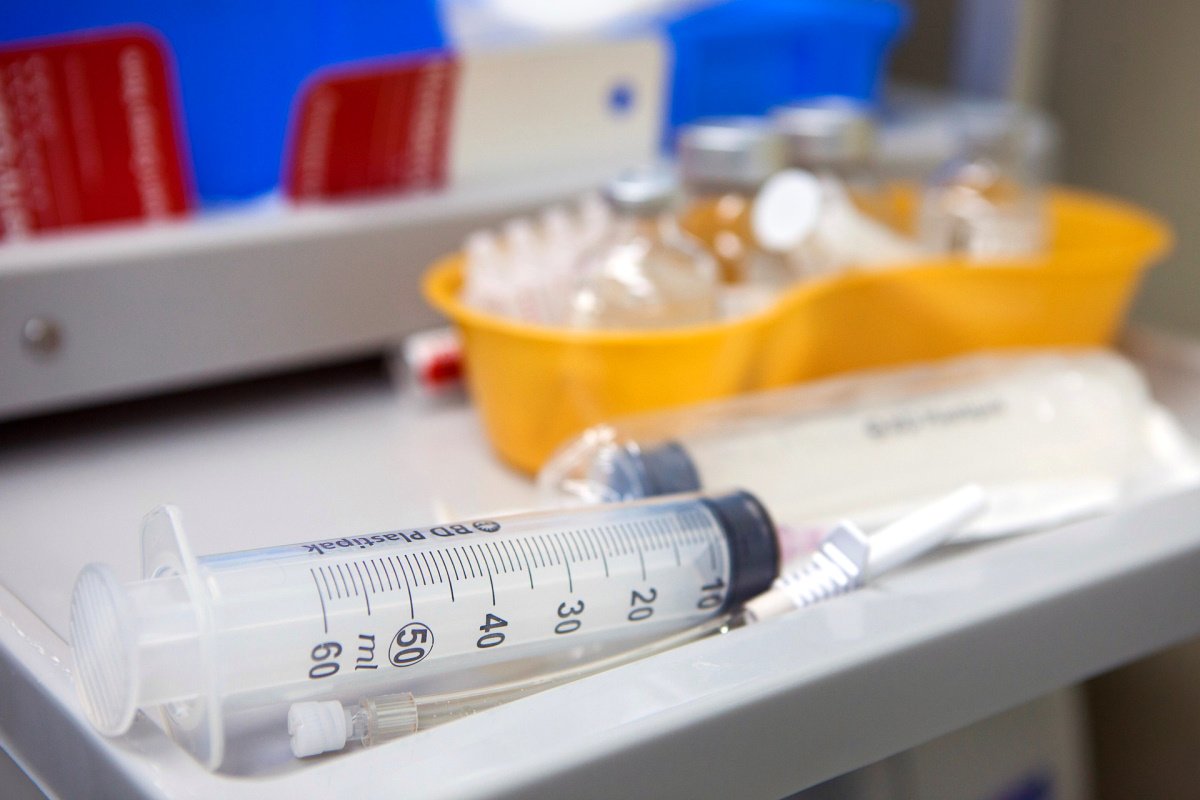
Public health bosses are to examine why North Yorkshire’s Covid vaccine uptake is significantly above the national average.
It's hoped the findings can be used to tackle concerns over declining uptake of other jabs, such as MMR and meningitis.
North Yorkshire’s director of public health Louise Wallace told a meeting of the county council’s executive one focus would be on whether transport and the location of vaccination centres had made it easy for residents to access the Pfizer and Astra Zeneca vaccines being used in the county.
A report to the meeting stated some 64.98 per cent of the county’s population, excluding children, have received at least one Covid-19 vaccine, compared to the average rate across England of 53.38 per cent.
The council and the Local Resilience Forum have been providing logistical support around venues, transportation, volunteers and waste disposal for the vaccination programme, which is being overseen by the multi-agency North Yorkshire and York Vaccination Assurance Group, chaired by Louise Wallace.
The group is aiming to identify where there may be low levels in vaccine uptake and implement interventions to ensure equity in the vaccination rollout across North Yorkshire and York.
After hearing of the relatively high rate of Covid vaccine uptake in the county, the council’s Scrutiny of Health Committee chairman Councillor John Ennis asked whether officials would use the lessons learned as a springboard to tackle recognised low take-up rates of other vaccinations in the county, such as MMR.
The latest NHS digital figures, which were published in September 2019, show while coverage had continued to decline in all routine vaccinations across the country, North Yorkshire had a lower uptake than a number of its neighbours.
The county’s vaccination uptake rate for the two-dose MMR vaccine stood at 89 per cent, compared to 96.4 per cent in County Durham and close to 95 per cent in areas such as north Lincolnshire and Barnsley.
Medics have warned falling childhood immunisation rates risk a resurgence of deadly and life-changing diseases of the past. Public health experts have advised successful vaccination programmes need a “system-wide approach” saying services had become “fragmented” since changes were made to public health commissioning in 2012.
While Ms Wallace’s predecessor last year warned the county’s public health services were facing difficult choices due to cuts in Government funding, she told the meeting she would be prioritising vaccination programmes.
She said the authority had used its experiences from previous vaccination programmes, such as flu and MMR, to maximise coverage with the Covid vaccine.
Louise Wallace said:
“We will be taking some of the lessons that we’ve learnt and looking at why this vaccination programme has got quite a high uptake overall
“We have got quite a lot of learning as to why people bought into this and we will be looking at why some people have vaccine hesitancy and try and myth-bust.”

 Nine Minutes from Glory: Heartbreak for Boro as Macclesfield Snatch Late Replay
 East Riding Mum Ventures Change To System After Second Term Time Holiday Fine
 North Yorkshire Faces Major Challenge to Prepare Local Plan in 30 Months
 Pre-Halloween Spooktacular Will Raise Vital Funds For Scarborough Hospice
 Did You See East Riding Bridge Colission?
 Scarborough Foster Couple To Run New Support Hub For Vulnerable Children
 Bridlington Town Back To Winning Ways
 Yorkshire Coast Rugby Round Up
 Pickering Town Back Into Top Ten With Victory
 Record Numbers Of Young People Explore Future Careers At East Yorkshire Apprenticeship Expo
 Historic Sleights Pub Set To Reopen Under New Local Ownership
 Patients Could Opt Out of Care Over NHS Data Platform Fears, Councillors Warned









Comments
Add a comment