


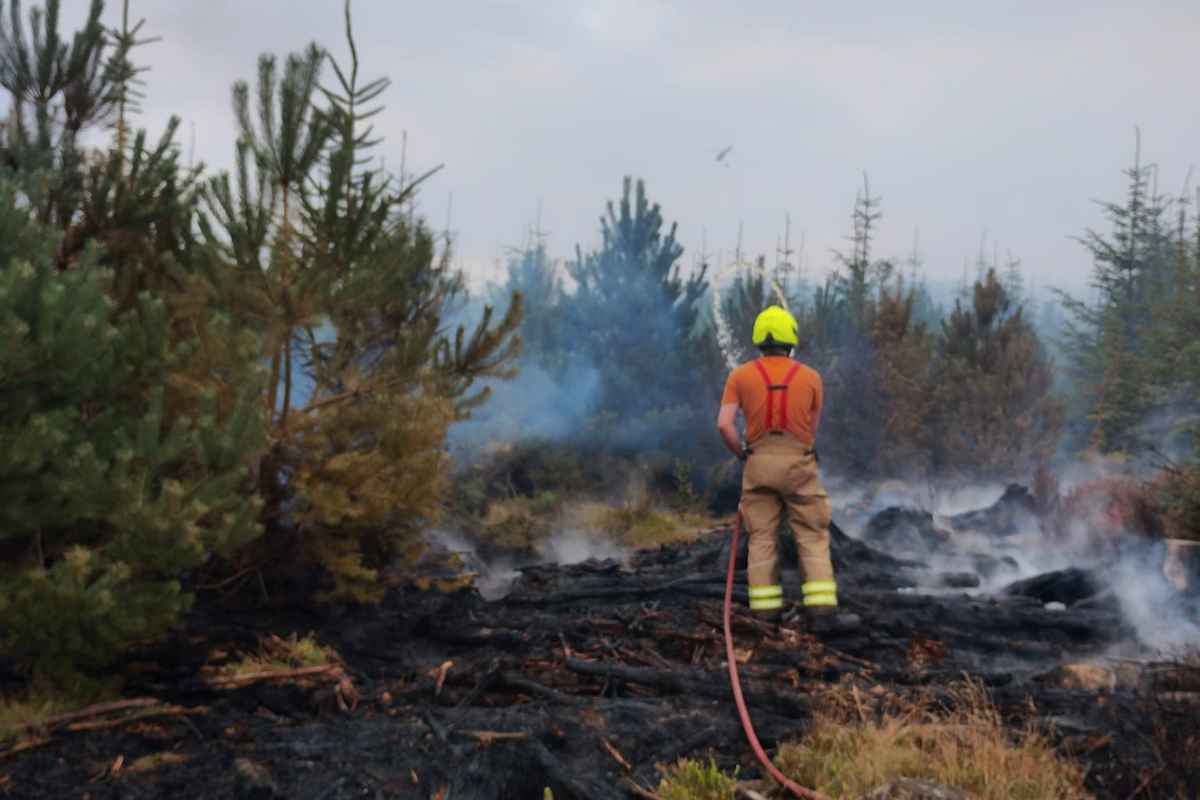
North Yorkshire Fire and Rescue Service says it successfully leveraged its investment in sophisticated technology this summer, ensuring the management of the demanding Langdale Moor wildfire did not compromise routine service delivery across the wider county.
The second quarter (Q2) of 2025/2026, running from 1 July to 30 September 2025, proved to be an "extremely busy operational Q2" for the service. The Langdale Wildfire incident necessitated the use of high numbers of resources, placing immediate strain on availability across North Yorkshire. Despite this challenge, the service relied on its dynamic cover tool (DCT) to manage fire cover.
Damian Henderson, Director of Service Improvement and Assurance, asserted that the strategic investment in the technology came into its own during this crucial period. He stated:
"Even at its height when we didn't have national resilience support for the incident, our investment in technology and our dynamic cover tool which shows a map of the county, it shows all of our fire engines and it uses 5 years of that historical data to be able to predict where those areas of most risk are.
That does come into its own when you do have a large incident like this and you may only have a smaller than normal number of appliances available".
The DCT, which uses five years of historical data to predict areas of highest risk, allowed NYFRS to strategically position its available fire engines during the wildfire crisis.
Protecting Communities Whilst Fighting the Blaze
Crucially, the service was able to maintain and even enhance its preventative work within local communities across the county during this demanding period.
NYFRS reports indicate that the continuous improvement in preventative measures during Q2 is "commendable". While responding to the major incident, the service managed to complete 1,424 Home Fire Safety Visits (HFSVs) between 1 July and 30 September 2025.
This represents a 38% increase in Home Fire Safety Visits compared to the same reporting period last year. Furthermore, the service demonstrated a much more targeted approach, identifying those most vulnerable, with 69% of the completed visits categorised as Very High or High risk.
The successful management of resources—supported by the dynamic cover tool—allowed whole-time crews to complete 1,101 HFSVs in Q2 this year. This figure marks a significant 43% increase on the 722 visits they completed during the equivalent period in the previous year.
Damian Henderson says that without the new mapping tool it's likely that response times to other incidents would have been higher during the moorland fire incident, he says the map is a great addition to their control room technology.
"That allows the incredible staff in control to look across the service area, position those fire engines so that they provide the best geographic cover that they can possibly do.
Previously , that will have been done by a sense of judgement and experience where now we've got a clear picture that if I move this fire engine from that location to that location, does it have a positive impact on our response standard?
And I think that has limited the overall incident response, from being significantly higher during this period"

 Scarborough Athletic Secure Another Hull City Loanee
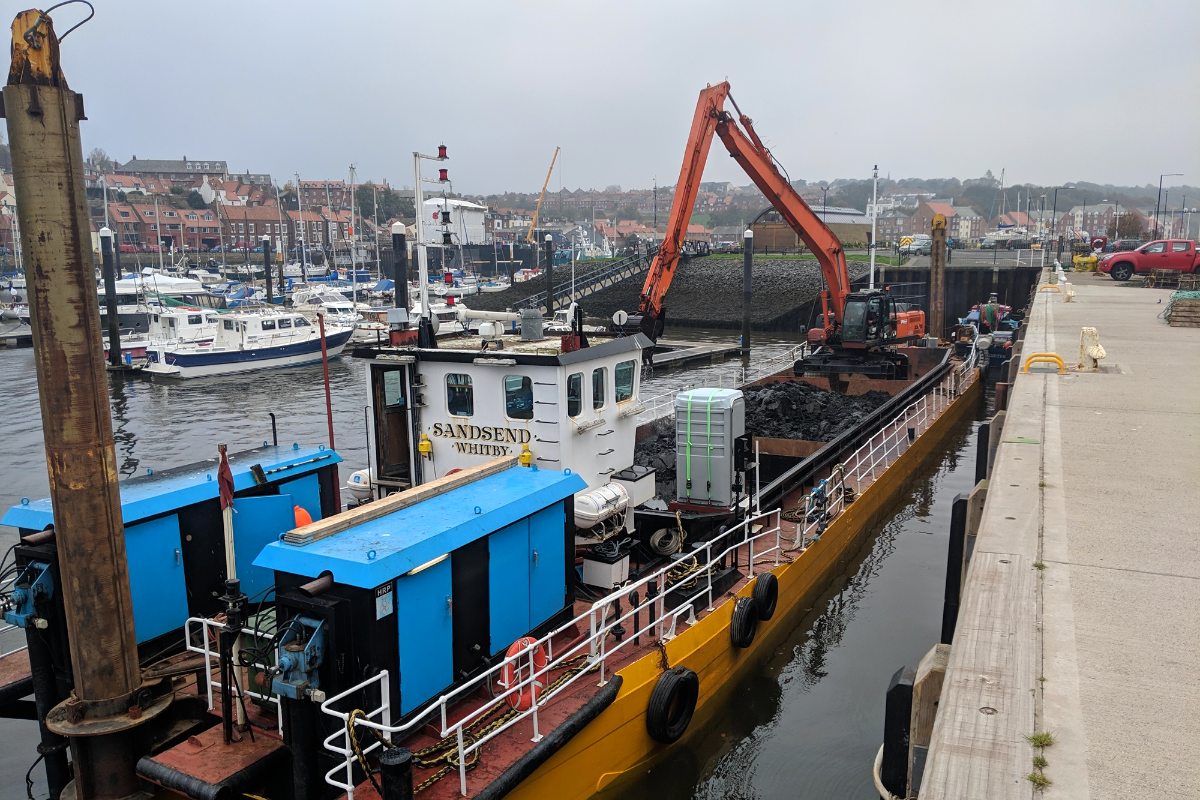 Dredging Boost for Whitby and Scarborough Harbours as Restrictions Relaxed
 Scarborough MP: New and Exciting Things Opening Up
 Scarborough Athletic Face South East Hike
 Whitby Town Chase Rushall Double
 Bridlington Town Back At Home With Consett Tuning Up
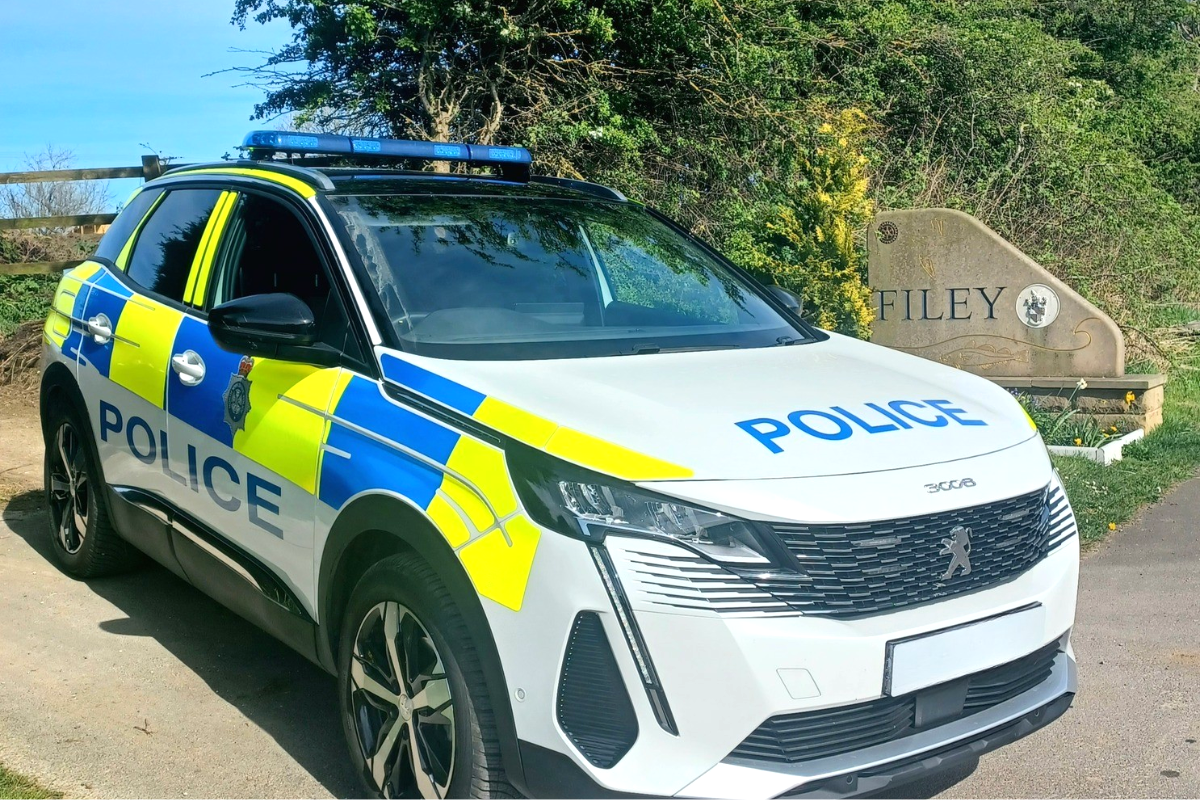 Operation Scooter Targets Moped and Motorcycle Theft in Eastfield and Filey
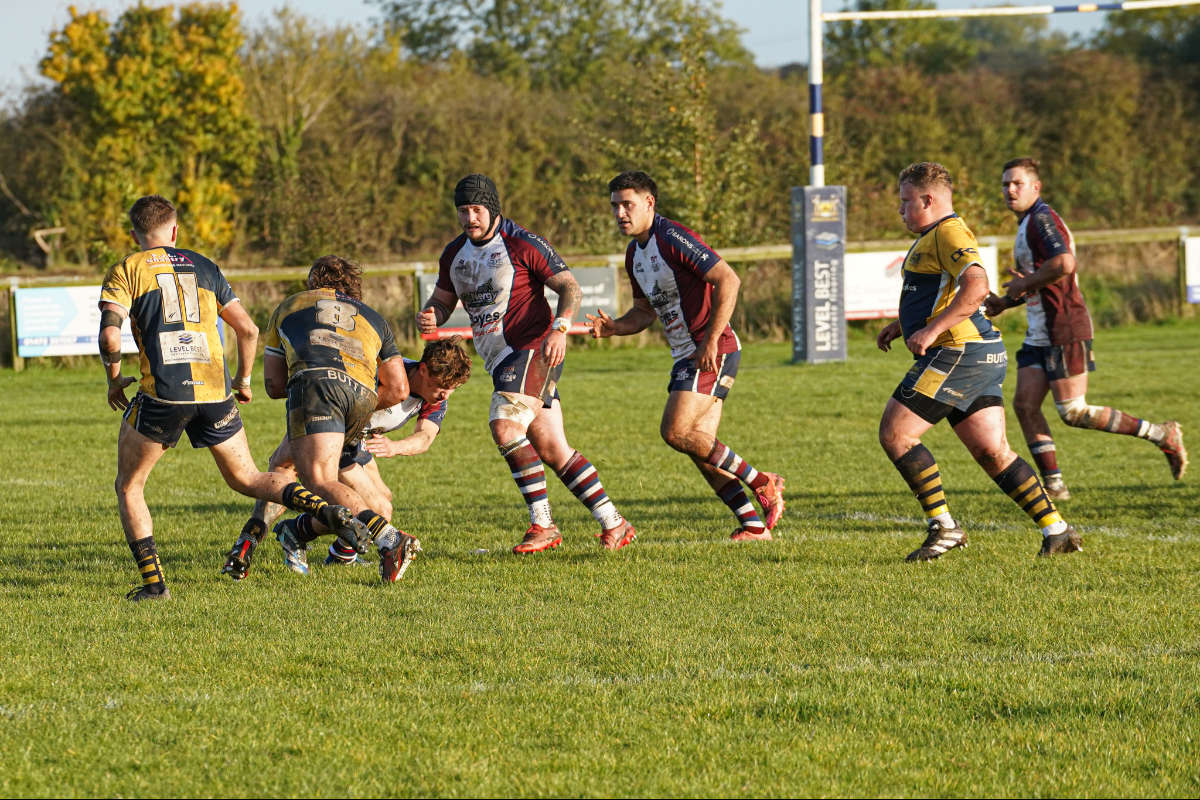 Scarborough and Bridlington Rugby Try To Stay On Top
 Pickering Town's Destination is Doncaster
 Challenges for North Yorkshire Moors Railway as Historic Bridge Repairs Hit Complications
 Goodbye and Thank You to Whitby RNLI Chairman, Mike Major
 Police Appeal After Night-time Assault in Whitby










Comments
Add a comment