
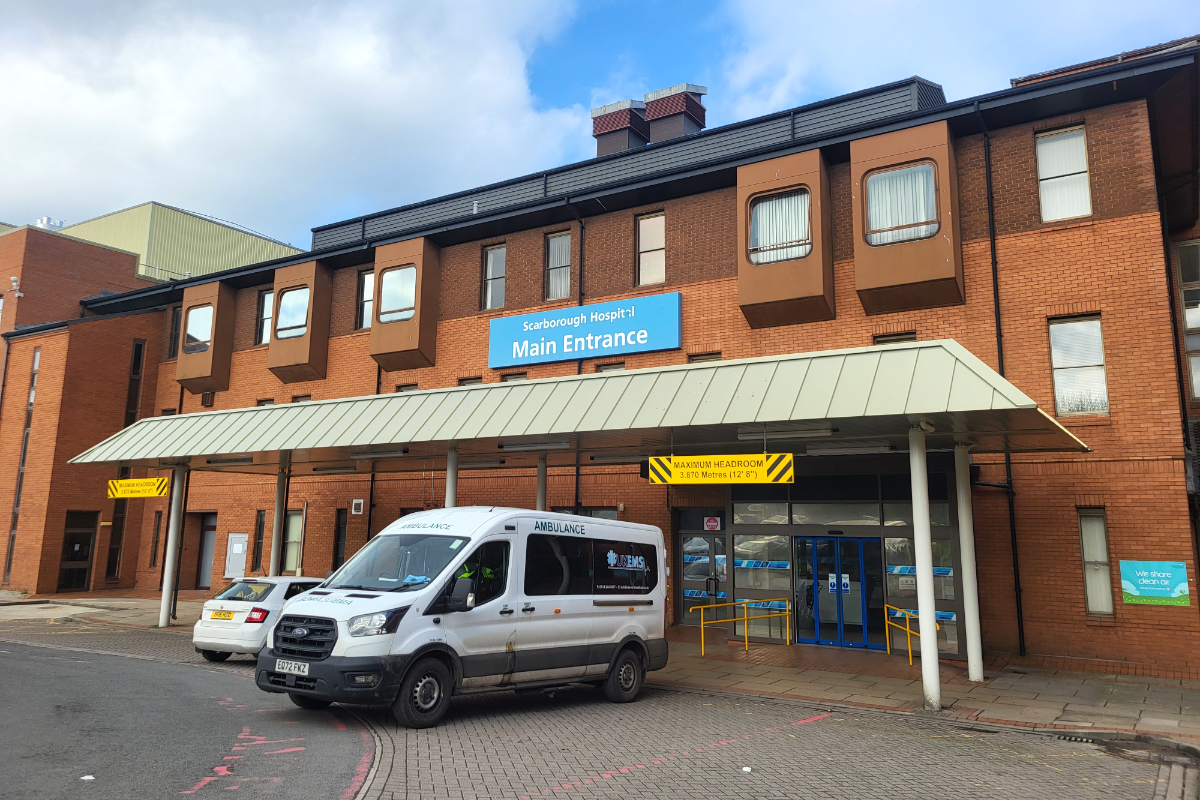
The York and Scarborough Teaching Hospitals NHS Foundation Trust plans to save up to £300,000 by reducing its expenditure on first-class mail and shifting toward digital communication.
A “staggering” amount spent on first class mail by the NHS Trust that runs York and Scarborough hospitals could be cut to create hundreds of thousands of pounds in savings.
Savings of up to £300,000 from cutting first class mail could be made by the York and Scarborough Teaching Hospitals NHS Foundation Trust as part of a multimillion-pound cost-cutting programme that is currently underway.
Bosses at the health trust have been told that “much of the post that leaves the organisation doesn’t need to be first class” as part of a move to digital communication and second class mail.
The NHS trust has a revised forecast deficit of £28.5 million, with £5.1 million of savings planned for the fourth quarter of the financial year.
A report on ‘corporate expenditure cessation programme’ that was presented to the trust’s board on Wednesday, March 25, stated that cutting first class post could save £300,000.
A first class stamp currently costs £1.70 but is set to rise to £1.80 in April. At current prices, around 170,000 stamps could be bought for £300,000.
Royal Mail executives are currently under scrutiny over letter delivery performance and improvement plans.
Andrew Bertram, finance director and deputy chief executive, said:
“It is phenomenal in terms of what goes out.
“It’s not just clinic appointments, but lots of information, results, copied letters to GPs, multiple letters for individual patients.
“There’s a lot of correspondence within the organisation.
“It absolutely is the case now that we have raised the awareness of the spend, and we’ve challenged the need for first class post.
“It absolutely is the case that much of what leaves the organisation doesn’t need to be first class, and working with the care group, significant changes have been made.”
The amount spent by the trust on second class mail was not revealed at the meeting.
The Government wants the NHS App to become the go-to method of communication between the health system and patients, avoiding the need for “at least 50 million costly letters to go through the postal system”.
Last year, Health and Social Care Secretary Wes Streeting said:
“The NHS still spends hundreds of millions of pounds on stamps, printing and envelopes. By modernising the health service, we can free up huge amounts of funding to reinvest in the frontline.
“Through the investment and reform in our Plan for Change, we will make the NHS App the front door to the health service and put power in the hands of patients.”
However, bosses at the York and Scarborough NHS Trust said they would not implement a “blanket” move to digital communication as many patients still rely on physical mail.
Clare Smith, chief executive, said:
“There is also a cohort of our patients who choose not to engage with us digitally or don’t wish to engage with us digitally.
“What we’ll take away is to review this further, to understand what our opportunities are, because we’ve got a massive challenge ahead of us next year.
“What we can’t do is to have a blanket move to electronic, because we will end up with digital exclusion of some of our population, and we just need to be mindful of that as we work through this.”

 Scarborough's Alpamare Waterpark Expected to Be Sold to 'Protect Its Future' With Private Investment
 Bridlington Woman Arrested On Suspicion of Drink Driving
 Scarborough Extreme Brings Free Urban Sports To North Bay This Weekend
 Scarborough Athletic Begin FA Cup Campaign With Dunston Clash
 Classic Motorbikes Embark On Coast-To-Coast Challenge For Scarborough Hospice
 Pickering Man Jailed After Sex Assaults
 Bridlington Town Target Fourth Consecutive Victory In Silsden Clash
 Big Kick Off For Whitby Rugby Club
 Pickering Town Aim To Continue Winning Run
 Scarborough Hosts National Celebration Of Seaside Heritage And Coastal Culture
 Bus Passengers Promised Better Services As New Five-Year Plan Revealed
 Motorcyclist From Whitby Area Dies In Collision Near Fylingdales