
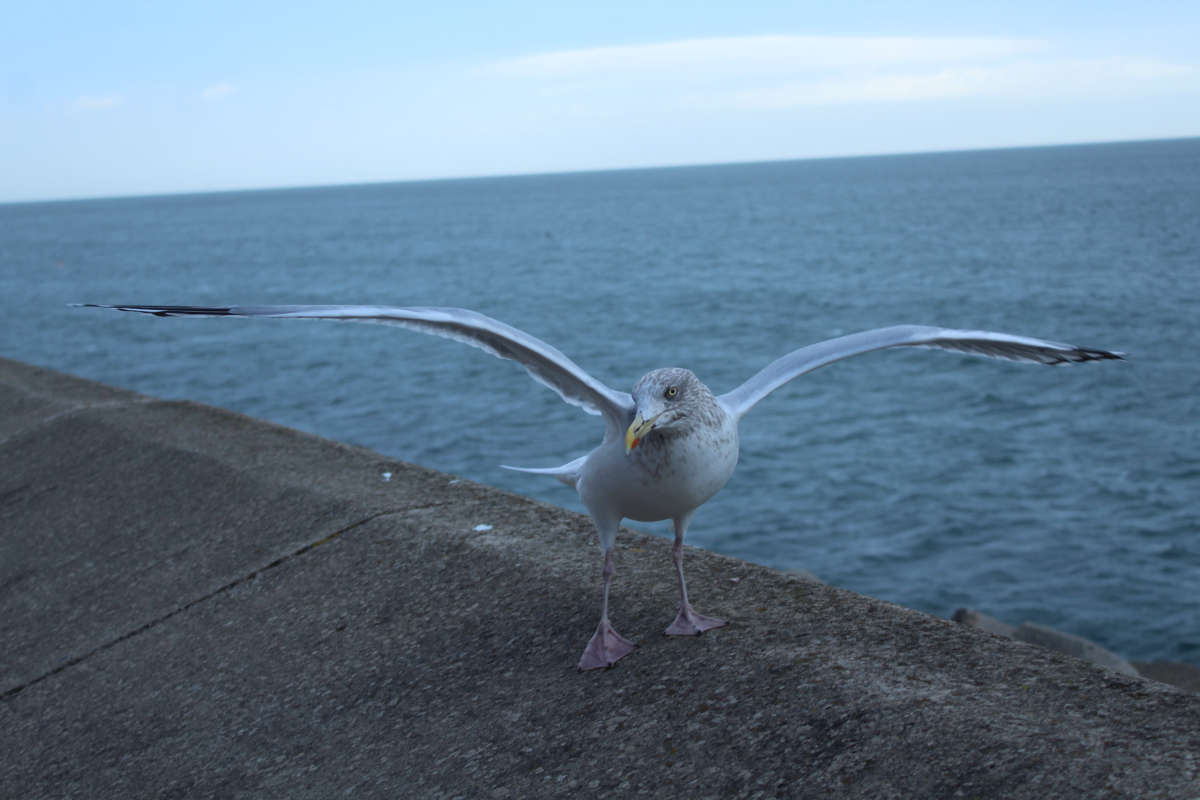
A proposed £119,000 urban gull strategy aimed at protecting public health and promoting coexistence in Scarborough and Whitby is set to be examined by councillors on Monday.
The comprehensive proposal is part of an urban gull strategy specifically targeting the coastal towns of Scarborough and Whitby.
As part of the £119,000 investment, the local authority is looking to fund dedicated education campaigns, the rollout of gull-proof rubbish bags, and the introduction of new and retrofitted litter bins across the region.
Before the seagull strategy can be officially approved by council bosses, an overview and scrutiny committee will thoroughly examine the proposal.
Members of the public have been invited to contribute to the upcoming meeting, which is scheduled to take place in Northallerton on Monday, July 6, at 10am.
The debate comes as North Yorkshire Council has been urged to speed up its plans for weekly food waste collections in a bid to stop gulls from attacking bin bags.
Currently, the local authority is not set to start separate household food waste collections until 2043.
However, in response to the ongoing issues with the birds, councillors have suggested implementing a pilot programme specifically for coastal areas.
North Yorkshire Council environmental protection officer Tim Croot has been discussing the gull-proofing work that can be done in the region.
He explained that the core idea of the new strategy is for humans to coexist with the gulls, particularly after previous gull prevention efforts proved to be ineffective:
"What we generally found was that the work that was done in terms of spiking and netting, etc, wasn't terribly successful. There were issues particularly with netting, entrapment of birds, etc. The aim of the strategy from the very outset was to try and create some sort of cohesion where we could have a sort of a co-existence, an acceptance that the birds, it is their coast as much as it's humans' coast and that we needed to get to a point of having a strategy that ensured that any actions that we did took account of the needs for the birds as much as it needs for the people."
Addressing the actions that can still be taken to protect public health, the environmental protection officer detailed how specific problem areas and buildings will be handled under the new proposals.
Tim added:
"Whilst we can't do proactive intervention with the birds themselves, we can still look at what we call target improve things. So if the particular hotspots or buildings where there is a genuine public health issue, we can look at ask those building owners, the operations to actually do some improving. But that will be subject to a public health risk assessment. So we'll only do it in situations where it's necessary."

 Record Multimillion-Pound Investment Promises To Fix North Yorkshire's Roads And Potholes
 North Yorkshire Police Emergency Call Waiting Times Remain Low Despite Surge In Demand
 Row Over £20,000 'Incorrect' Public Toilet Charges in Whitby
 'Strong Fish Smells' Spark Objections To Seafood Business Application
 Maternity And Neonatal Services Face £736,000 Funding Gap To Meet New Safety Standards
 Concerns Raised Over Tourist Tax Powers In North York Moors National Park
 Educational Outcomes For Coastal Children To Receive Major Boost Under New Pilot Scheme
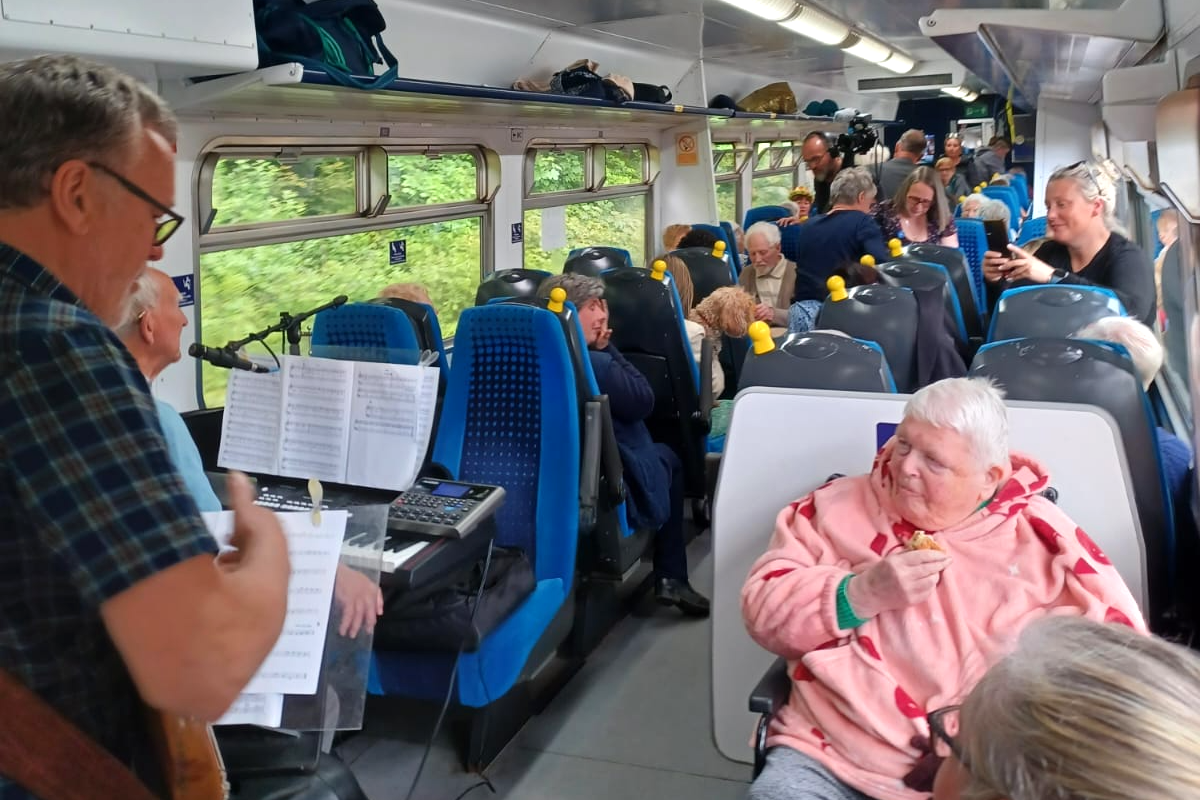 Special Train Journey Evokes Precious Memories For Dementia Patients On The Yorkshire Coast
 Free Flu Vaccines Will Be Available At Drop-In Clinics Along The Yorkshire Coast
 Extracurricular Opportunities Set To Expand For Pupils In Scarborough And Whitby
 Time-Travelling Children Uncover Scarborough's Geological Past
 Solar Panels Confirmed For Whitby And Eastfield Public Buildings To Cut Energy Bills