


More than eight in ten farmers say policy uncertainty and extreme weather are making it nearly impossible to plan for the future of British agriculture, according to a new report published in Scarborough.
Planning for the future has become nearly impossible for the vast majority of British farmers amid mounting economic and environmental pressures.
More than eight in ten agricultural workers say policy uncertainty is negatively affecting their businesses, while three-quarters report that increasingly unpredictable weather is hindering effective farm management.
Rising input costs are also taking a heavy toll across the agricultural sector. Eighty-seven per cent of farmers warn that these expenses have significantly damaged their profitability over the last twelve months.
The stark figures come from the second annual Farmdex report, published today in Scarborough by McCain Foods.
Financial strains across the sector remain acute, pushing many food producers to the brink of leaving the industry entirely. More than a quarter of farmers reported making a loss or merely breaking even in the past year, while another twenty-nine per cent secured profit margins of just one to five per cent.
These tight financial realities mean two in five farmers have considered walking away from agriculture altogether, and forty per cent question whether they will still be operating in a decade.
These intense pressures are fundamentally shaping how food producers view the long-term security of the nation's food supply.
Just five per cent of those surveyed feel optimistic about Britain’s ability to secure its future food network. Conversely, eighty-seven per cent are pessimistic, pointing to a heavy reliance on imports and the constant challenge of competitive pricing.
Trade policy has emerged as a critical priority for the sector this year. Over half of farmers identify better trade policies to protect British agriculture as the single most important action policymakers could take, up from forty-four per cent last year. Producers fear that cheaper imports, which are often produced to lower standards, are undermining domestic produce, profitability, and national food security.
To combat this, ninety-one per cent believe significant investment in British farming is urgently required to safeguard the domestic supply chain.
Alongside economic worries, a record-breaking drought has placed climate change firmly at the centre of agricultural concerns. Over a quarter of farmers cite extreme weather as one of the biggest pressures on their finances, and a third view it as a major long-term threat to growth.
Despite these challenges, many are looking to sustainable practices as a way forward. Almost two-thirds of farmers agree that sustainable methods are essential to the future of the industry, and a similar number have invested in such practices over the past five years. Notably, those who have invested heavily in sustainability are twice as optimistic about the future of British farming compared to the average.
James Young, Vice President of Agriculture at McCain Foods, outlined the severity of the situation.
"One year on from our inaugural Farmdex report, this year’s iteration should leave little doubt about the issues farmers are facing. While some indicators have improved, the overall picture shows a sector continuing to face significant challenges. The global picture is tumultuous and domestically it has been one of the hottest, driest summers on record. No single group can secure the future of British farming alone. Farmers, businesses, industry bodies and policymakers all have a role to play in giving farmers greater certainty, creating a level playing field, and driving long-term investment. If we get that right, we can support profitable farms today while building a resilient food system for generations to come."
In response to the findings, McCain is urging the government and industry partners to commit to investments that reflect the true value of farming. The company is calling for wider adoption of regenerative agriculture, a prioritisation of water resilience, and fair-trade deals that hold imported goods to the same standards as British produce.
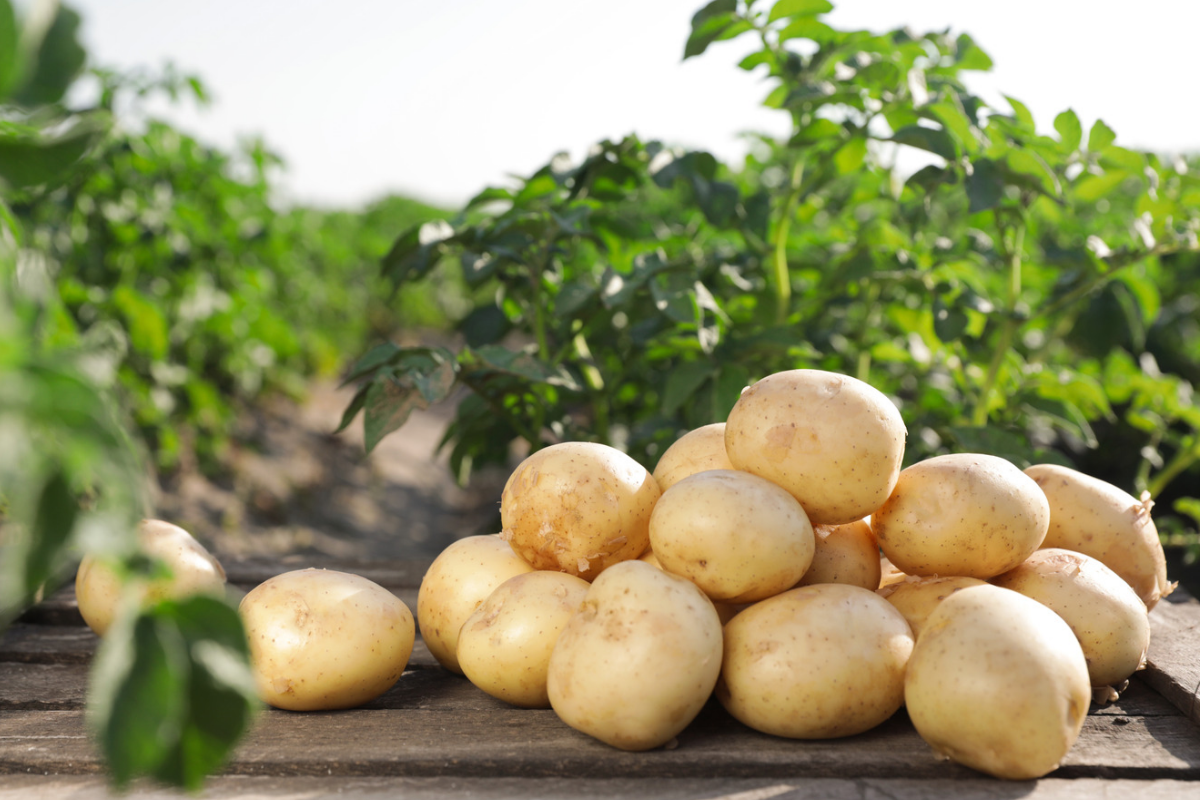
The frozen potato manufacturer, which operates processing facilities and a seed potato business, is the largest purchaser of the British potato crop. The company buys around twenty per cent of the total market from two hundred and fifty farmers and has pledged to implement regenerative practices across all its global potato acreage by the end of the decade.

 Whitby Cliff Lift Repair Report Expected This Month
 Scarborough To London Direct Train Could Return As MP Fights For Better Rail Services
 Grand Hotel Included In Wider South Bay Bathing Water Study
 Final £400,000 Needed To Equip New Lifesaving Yorkshire Air Ambulance Base
 Health and Dementia Support on the North Yorkshire Coast to Benefit From New Research Grants
 Scarborough and Whitby MP "Frustrated" with Own Government Over Fracking Loophole
 Mayor Says North Yorkshire Bus Services are "Broken" As Franchising Assessment Approved
 Quick FA Cup Replay Welcomed After Heartbreaking Late Draw For Scarborough Athletic
 Whitby Town Return To Action Under Caretaker Boss Denny Ingram
 £1.5 Million Water Pipe Upgrade Begins In Snainton And Ebberston
 Record £456 Million Transport Investment to Overhaul North Yorkshire Journeys
 Bin Lorries to Carry Domestic Abuse Support Messages Across the East Riding