

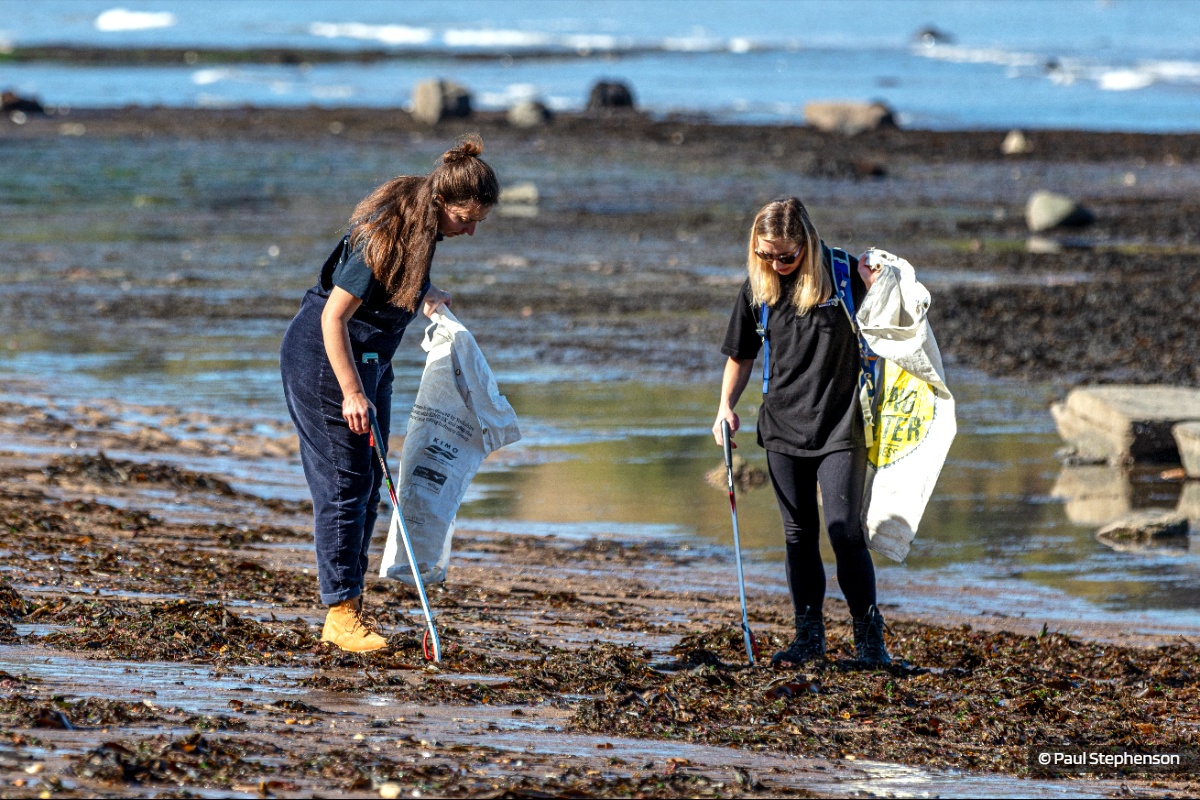
The Yorkshire Wildlife Trust has launched the Rivers to Reef initiative to tackle pollution from source to sea, empowering local communities to protect waterways and marine ecosystems.
Yorkshire Wildlife Trust has today launched Rivers to Reef, a landmark new initiative designed to protect Yorkshire’s rivers, estuaries, and coastal reefs from pollution. Developed in partnership with Aire Rivers Trust, the Yorkshire Derwent Catchment Partnership, and supported by Yorkshire Water, Rivers to Reef is creating a movement across Yorkshire to protect rivers from their source areas in the hills and moorlands down to the North Sea, with a focus on the Rivers Aire and Derwent.
Every year, litter, microplastics, agricultural run-off, sewage, and chemicals enter Yorkshire’s rivers and eventually reach the Humber Estuary and the North Sea. These pollutants threaten freshwater invertebrates such as mayflies and caddisflies, migratory fish like salmon and sea trout, shellfish including mussels and oysters, and marine mammals such as seals and porpoises. Yet traditional conservation efforts have often treated rivers and seas in isolation, leaving conservation successes, and ultimately marine species, vulnerable to pollution from upstream sources.
Yorkshire’s rivers drain one-fifth of England’s landmass into the Humber Estuary, the largest freshwater contributor to the North Sea and a site of international conservation importance. However, the estuary’s ecological condition has been classified as “unfavourable” for more than a decade, with vital habitats like saltmarsh, seagrass, and shellfish beds in decline. Rivers to Reef addresses this by combining science, policy, and people power to tackle pollution from source to sea.
The initiative will expand citizen science across Yorkshire by introducing standardised water-quality monitoring to track pollutants and identify hotspots, organising bi-annual Water Quality Blitzes in collaboration with Earthwatch to engage communities in coordinated sampling, and supporting community-led litter surveys to measure and reduce river and coastal debris.
Rivers to Reef also empowers individuals to take practical steps at home and in their communities to protect waterways. Simple actions - like cooling, scraping, and binning fats and oils instead of pouring them down the drain, correctly disposing of wet wipes, using wash bags or natural fibres to reduce microfibre pollution, planting buffer strips to limit agricultural run-off, and choosing water-safe flea and tick treatments - can all make a tangible difference. By reducing, reusing, and recycling plastics, taking part in local clean-ups to stop plastics entering rivers, and checking that wastewater from homes and businesses is correctly connected to the wastewater drainage system, everyone can help keep our rivers, estuaries, and coastal reefs clean and healthy. Even small actions inland can safeguard marine ecosystems, highlighting the vital connection between rivers and reefs.
Martin Slater, Deputy Chief Executive at Yorkshire Wildlife Trust:
"Yorkshire’s rivers and seas bring life into our landscapes but they and the wildlife they support are under pressure like never before. Rivers to Reef is about giving everyone, from families to local communities, the chance to make a real, visible difference. Every water monitoring sample, every piece of litter picked up, and every small action adds up to cleaner, healthier waters we can all be proud of."
Rachel Forsyth, Chief Executive at Aire Rivers Trust:
"We all rely on our rivers and seas, yet pollution from everyday life is quietly harming them. Rivers to Reef is a chance for people across Yorkshire to see the impact they can have, from the stream in their village to the reefs off our coast. By working together, we can restore life to our waterways and leave a legacy of clean, thriving waters for generations to come."
Clare Beasant, River Health Improvement Manager at Yorkshire Water:
“The quality of our rivers is something that is incredibly important to us, and we know it’s equally important to our customers in Yorkshire. There is a lot of work to do to get our rivers and coasts where we want them to be and, alongside significant investment into our capital infrastructure, working in collaboration with the Yorkshire Wildlife Trust and Aire Rivers Trust on this project will certainly help us to achieve it.”
Rivers to Reef will only succeed with Yorkshire’s people at its heart. Every water sample collected, wet wipes binned correctly, plastic bottle picked up, or conversation shared helps protect local rivers while contributing to a bigger, connected picture.
The first opportunity to get involved is the Great UK Waterblitz, taking place between 24th and 27th April 2026, a weekend of citizen science that will map water quality across Yorkshire. To take part and help Yorkshire’s rivers and seas thrive, visit: https://www.ywt.org.uk/rivers-to-reef

 Council Dismisses Fears Over Scarborough Town Centre Footfall Following Office Relocation
 Call For Urgent Improvements By Man Who Lost Job Due To Poor Water Quality In Scarborough
 Family Pay Tribute To Man Who Died Following Incident At Whitby Pub
 Could Global Tensions Boost Domestic Tourism As Holidaymakers Change Travel Plans?
 Why Moth Infestations Will Cost More Than Rat Problems in North Yorkshire
 Man Jailed For Life For The Murder Of Staithes Man
 VIDEO: Progress Welcomed As Community Football Pitch Repairs Continue At Scarborough Sports Village
 Pickering Town Face Barnsley Trip
 Bridlington Paddling Pool Repairs Underway Ahead Of Easter Holidays
 North Yorkshire Coast Set For Permanent Overnight Campervan Parking Ban
 ‘Carrot and Stick’ Plan For Empty Scarborough Shops
 Two Closure Orders Served On Bridlington Homes