

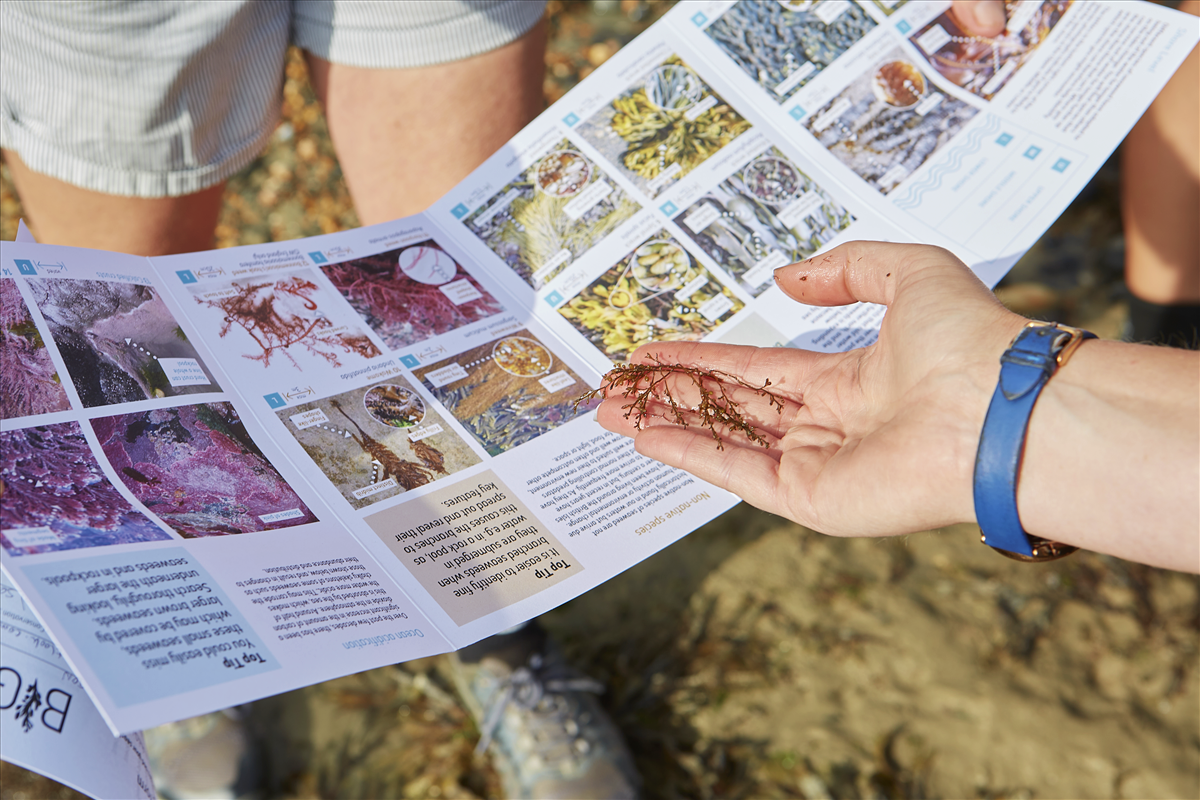
Citizen Scientists on the Yorkshire Coast are being asked to take to the beaches and observe the seaweed.
The Marine Conservation Society and the Natural History Museum are asking us all to head to the beach and record what seaweed we find.
Kirsty Crawford from the MCS says the survey will provide important data about climate change.
By taking part in the Big Seaweed Search, volunteers will be helping to map the distribution of specific species. This provides long-term data to illustrate the impact of environmental changes in our seas, including sea temperature rise, ocean acidification and the spread of non-native seaweeds. At a time when seas around the UK are warmer than usual, seaweed reports could be a useful tool in informing scientists about what this means for our shores.
Kirsty Crawford says they are asking people around the UK coastline to take part and say the information gathered can provide important data about climate change.

It’s easy to get involved in Big Seaweed Search, and anyone can take part, all year round. Training videos and online resources are available, including a guide which helps beachgoers to identify the seaweed species they’re likely to spot and explains what they need to do.
The survey can be carried out as an individual or in groups, and be completed on a mobile, tablet or computer.
Kirsty says the survey is really easy to do and can also be educational
Despite there being hundreds of different species of seaweed around the UK coastline, Kirsty says they are really only interested in a handful of them.

The survey has been carried out before and is used to create regular reports about the state of the Seaweed species in the UK.
Together, the Marine Conservation Society and the Natural History Museum, have released results of the last Big Seaweed Search from June 2022 – May 2023. During this period, volunteers submitted 470 records of seaweed across the UK, with Bladder Wrack and Serrated Wrack the most frequently identified. Both species can be indicators of sea temperature rise. The third most identified seaweed was Calcified Crusts, which can be an indicator of ocean acidification.
Kirsty says the last report highlighted some unexpected changes.
To get involved in the Big Seaweed Search simply:
- Register to take part and download your guide and recording form at bigseaweedsearch.org
- Choose your 5 metres of coastline to survey
- Fill in your survey form
- Take LOTS of clear, close-up photographs for your survey to be accepted
- Submit your survey through bigseaweedsearch.org

 A174 Lythe Bank Closes For Five Days With Replacement Shuttle Buses Serving Whitby
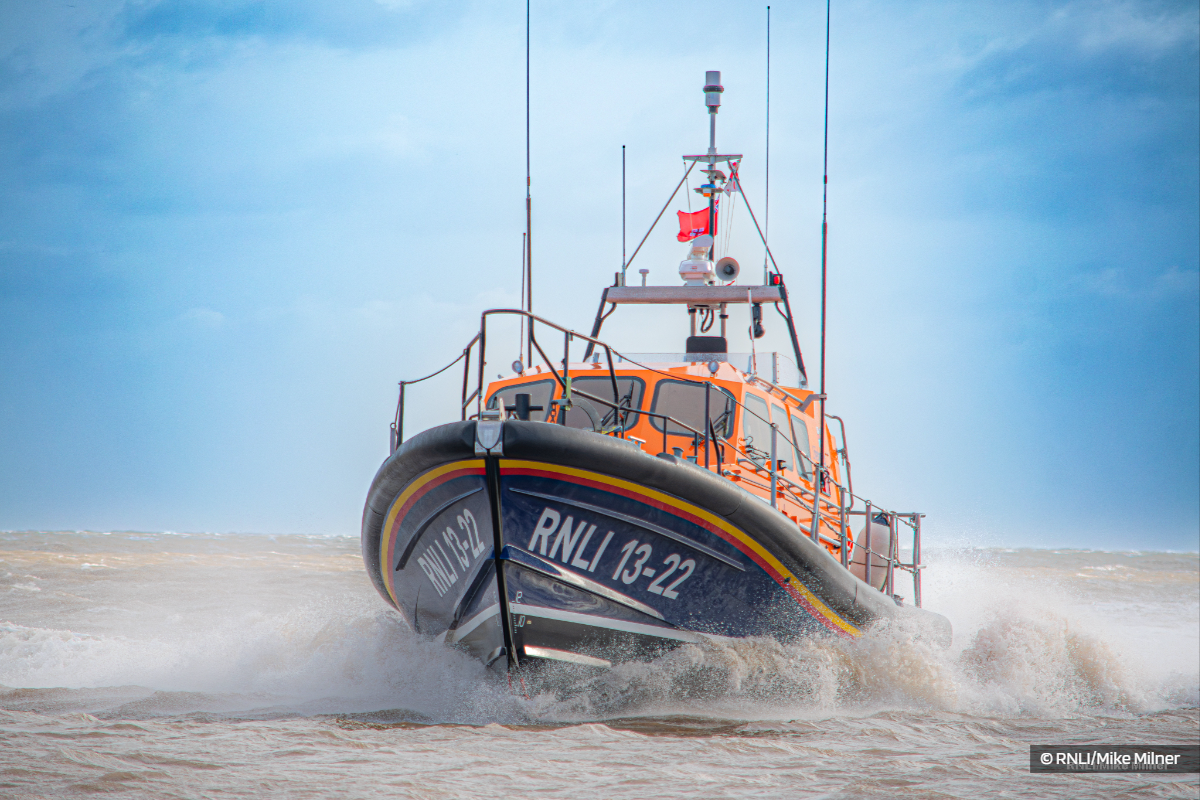 Lifeboat Crews Battle Storm Boelo After Emergency Beacon Alert Off Flamborough Head
 Northern Train Services CANCELLED Due To Communication System Issues
 Record Multimillion-Pound Investment Promises To Fix North Yorkshire's Roads And Potholes
 North Yorkshire Police Emergency Call Waiting Times Remain Low Despite Surge In Demand
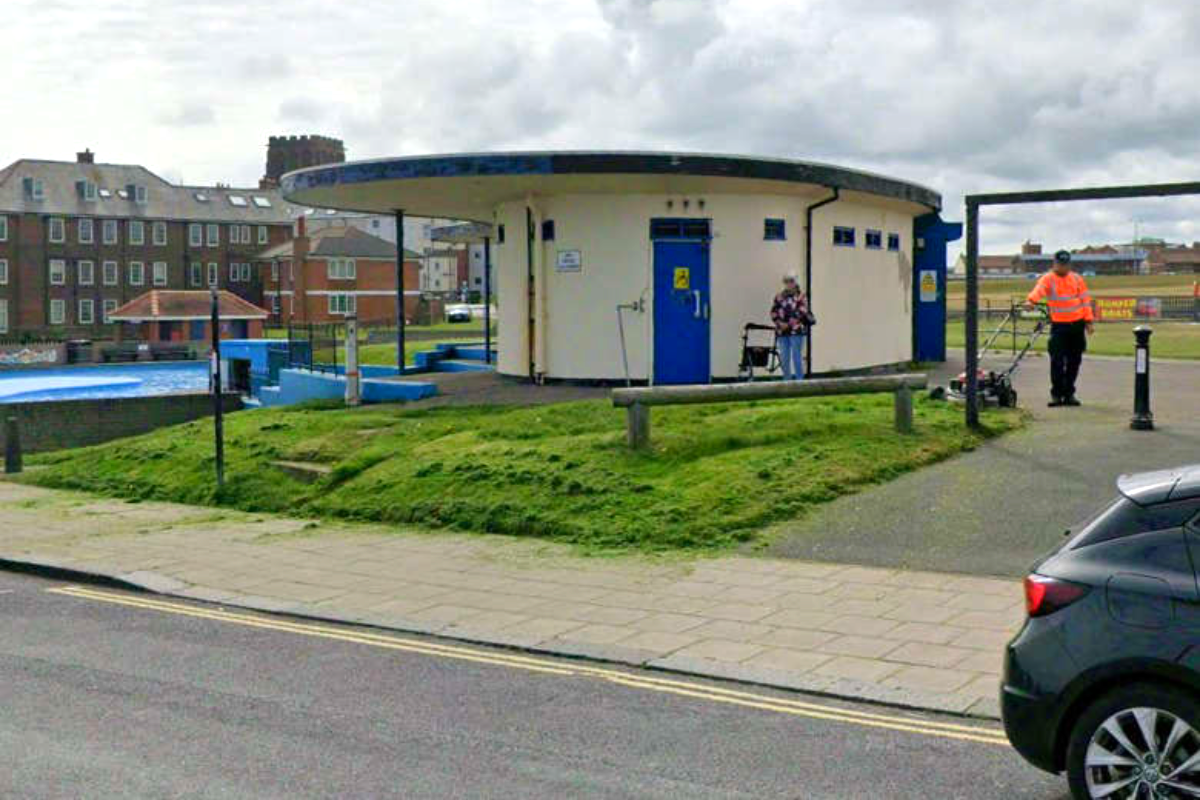 Row Over £20,000 'Incorrect' Public Toilet Charges in Whitby
 'Strong Fish Smells' Spark Objections To Seafood Business Application
 Maternity And Neonatal Services Face £736,000 Funding Gap To Meet New Safety Standards
 Concerns Raised Over Tourist Tax Powers In North York Moors National Park
 Educational Outcomes For Coastal Children To Receive Major Boost Under New Pilot Scheme
 Special Train Journey Evokes Precious Memories For Dementia Patients On The Yorkshire Coast
 Free Flu Vaccines Will Be Available At Drop-In Clinics Along The Yorkshire Coast













Comments
Add a comment