
A new strategy aiming to make York and North Yorkshire England's first carbon-negative region by 2040 has been officially adopted following a major public consultation.
It's claimed energy bills will fall and community facilities will remain open as a new sustainability strategy takes effect across the region.
The Strategy for a Sustainable Future will introduce locally-owned energy infrastructure, including potential geothermal heat projects, to protect residents from global price shocks. Officials from the York and North Yorkshire Combined Authority formally adopted the plans this week, setting a target to become England's first carbon-negative region by 2040.
More than 550 people responded to an eight-week public consultation, which heavily influenced the final document.
Lucy Allis, the Interim Senior Strategy Manager for Low Carbon and Environment at the York and North Yorkshire Combined Authority, outlined the results of the public feedback.
"We had over 550 responses to the consultation and overall it highlighted a regional appetite to work towards a sustainable future.
So 81% of public responses said that addressing climate change was essential, very or somewhat important, and 74% supported the region's ambition for carbon negative by 2040, so really positive feedback there.
The strategy is underpinned by the ambition to become England's first net carbon negative region by 2040, which means reducing our region's emissions by 90% and removing any residual emission."
The transition to green energy will focus heavily on improving the resilience of local homes, food supplies, and businesses.
Councillor Jenny Kent, Environment and Climate Lead for the combined authority, detailed the specific concerns raised by residents.
"87% said they wanted an increase in renewables for clean, affordable, reliable power.
87% want homes built that would be fit for the future, not just with low energy and comfort but also enough water.
72% are really concerned about rising food costs, with 70% of our land being agriculture, and being able to feed ourselves is a fundamental question with climate change, the appetite for us to do something now is really apparent.
And 71% want businesses to be more circular, the old waste not want not war-time phrase is absolutely coming back in fashion. We need to really think about everything as having value and valuing it as such."
Significant savings are already being realised across the region and on the Yorkshire Coast through targeted renewable energy investments.
Councillor Kent explained how these installations are securing the future of local facilities.
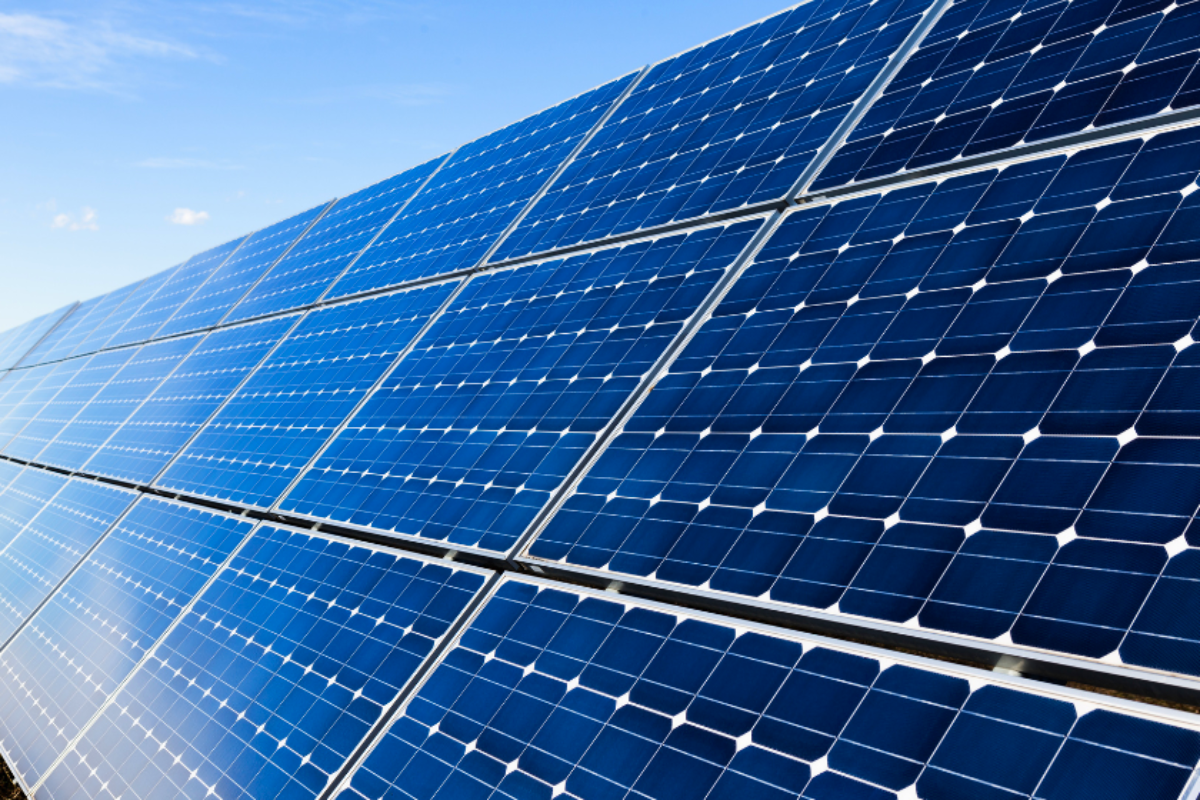
"We've put solar panels on Yearsley swimming pool saving £25,000 a year and zero energy bills over the summer.
We've covered Whitby leisure centre and Jack Law leisure centre in Ripon with solar panels. Over their lifetime that's estimated to save £4 million in energy costs. Staggering.
These are really big things and the people going to those leisure centres which will stay open, which was actually for all of them a question mark in the past. It means we can swim, we can meet. It's this is real impacts on our people in this region."
Beyond environmental benefits, the strategy aims to boost the local economy by capitalising on the rapidly expanding green sector.
Ms Allis added that the transition presents a significant financial opportunity for the region.
"Alongside the carbon negative ambition, the strategy includes an expanded ambition for healthy and thriving communities and also economic transformation, which really picks up on the the facts that clean energy is a competitive advantage sector for our region as referenced in the local growth plan, and a a wider, more national level, the green economy, which is what we need to support that transition to a sustainable future is growing three times faster than the wider UK economy and is an area of development."
The strategy also includes plans for regenerative agriculture, rewilding, and moorland restoration to help the natural environment capture carbon and resist flooding or wildfires.
York and North Yorkshire Mayor David Skaith said global events are driving the urgent need for local energy independence.
"This has always been a vital piece of work, but no more so uh in the current climate as we experience hotter summer and more volatile winters as well.
We continue to see the reliance on fossil fuels as creating a volatile energy market with sharp rise in fuel costs as a result to the wall in Iran in particular.
Our country's higher energy costs require us to take action to support, reducing carbon and investing in climate measures and electrification.
Supporting that transition to clean, green energy will not just bring down bills for residents and businesses but will make Britain a more energy dependent place."

 Scarborough Vicar To Brave Winter Cold In Sleep Out For Homelessness
 Scarborough & Whitby MP Offers Reassurance Over Milburn Report's Radical Plans for Disabled Youth Support
 Council In Court Over Road At Oliver’s Mount As Repairs Remain Years Away
 Emergency Services Blackout Threatens TV Heartbeat Village During Power Cuts
 Tens of Thousands of Unbuilt Homes Could Solve North Yorkshire's Housing Crisis
 Brave Fundraisers Invited To Register For Scarborough's 2027 New Year's Day Dip
 Extra Sunday Train And Timetable Changes Announced For Whitby Passengers
 New Council Tax Charge Considered For Bus Services Amid Election Pledge Row
 Scarborough's Alpamare Waterpark Returns to Council Control Ahead of Sale
 Northern England's Largest Outdoor Ice Rink Returns For Twenty-First Season
 Whitby Christmas Festival Declared Huge Success
 Campaigners Form Giant 400 On Scarborough Beach For Sea Pool Fundraiser