

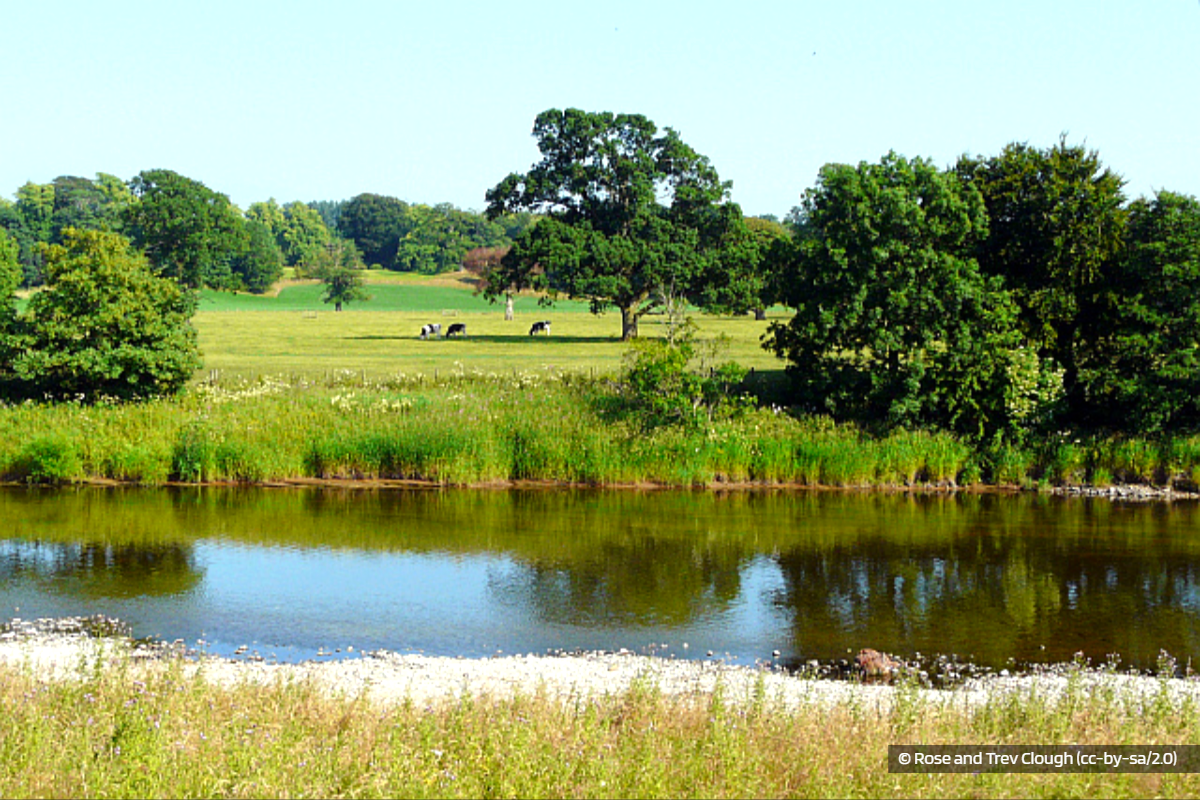
A pioneering environmental initiative on the River Esk is helping local communities reconnect with nature and build a stronger foundation for long-term conservation and biodiversity recovery.
A pioneering environmental initiative working across the River Esk and Coastal Streams Catchment is helping communities reconnect with nature while building a stronger foundation for long-term conservation and biodiversity recovery.
The River Esk catchment is home to nationally significant wildlife species that are currently in decline, with some at risk of disappearing within a generation.
The 28-mile waterway flows from the North York Moors to the North Sea at Whitby and is celebrated as the only major river in Yorkshire to support Atlantic salmon.
It is ecologically renowned for harbouring England's last significant population of critically endangered freshwater pearl mussels and is also home to otters and water voles.
The REConnect programme is led by a group of organisations including the North York Moors National Park Authority, Yorkshire Wildlife Trust, Groundwork, and the Yorkshire Marine Nature Partnership.
Funded by The National Lottery Community Fund, the project brings together experts in climate, ecology, and community action to test how place-based approaches can help reverse biodiversity loss and boost resilience in local communities.
The first findings from a five-year evaluation led by York St John University reveal that emotional and sensory engagement with nature plays a critical role in shaping environmental attitudes and behaviours.
Researchers found that meaningful experiences, such as watching wildlife, exploring riverside habitats, taking part in conservation activities, or engaging with nature through art and culture, help foster empathy, responsibility, and a deeper understanding of the natural world.
Participants reported that direct encounters with nature improved wellbeing, strengthened emotional attachment to local landscapes, and increased their motivation to take positive environmental action.
One of the most significant findings from the first year of research is the untapped potential of local knowledge and informal citizen science networks.
Many residents already observe changes in wildlife, water quality, and local habitats through everyday experiences. Researchers believe that with the right support, training, and simple monitoring tools, these existing networks could become a powerful force for community-led conservation.
Researchers also found that childhood experiences in nature often shape lifelong attitudes toward conservation. By involving families in outdoor activities and environmental education, REConnect hopes to strengthen pro-environmental behaviours across entire communities.
Based on the first year's findings, researchers have identified nine key opportunities to strengthen nature engagement and community participation across the catchment.
These include expanding place-based education programmes that emphasise source-to-sea connectivity, and developing intergenerational learning initiatives to rebuild lost ecological knowledge, particularly involving children and young people.
The report also recommends formalising citizen science networks, strengthening partnerships with schools and community organisations, and co-designing engagement with farmers and landowners to address water scarcity and ecological goals.
Further opportunities involve using creative social messaging to normalise responsible behaviours, addressing barriers to access, integrating heritage and traditional skills into activities, and providing spaces to acknowledge climate anxiety while foregrounding hopeful narratives of recovery.
Dr Jenny Hall, Associate Professor in Cultural Geographies at York St John University, said:
"Our research highlights that positive and lasting results grows from meaningful experiences in nature, strengthened by community insights and a sense of shared responsibility.
By combining hands-on learning with local knowledge and citizen science, communities can play a powerful role in driving sustainable behaviour and conservation action.
The next phase of our work is to understand what nature in the Esk Valley means to people living there and how we can protect it together."
The research team at York St John University has now launched a new survey specifically aimed at residents within the River Esk and Coastal Streams Catchment.
Researchers are seeking to understand if the community’s obvious love for the wildlife and waterways is translating into measurable long-term behavioural changes in everyday life.
The survey outcomes will help the programme partners better understand which activities create the greatest impact and help them to design future programmes that generate meaningful and lasting community engagement.

 Record Multimillion-Pound Investment Promises To Fix North Yorkshire's Roads And Potholes
 North Yorkshire Police Emergency Call Waiting Times Remain Low Despite Surge In Demand
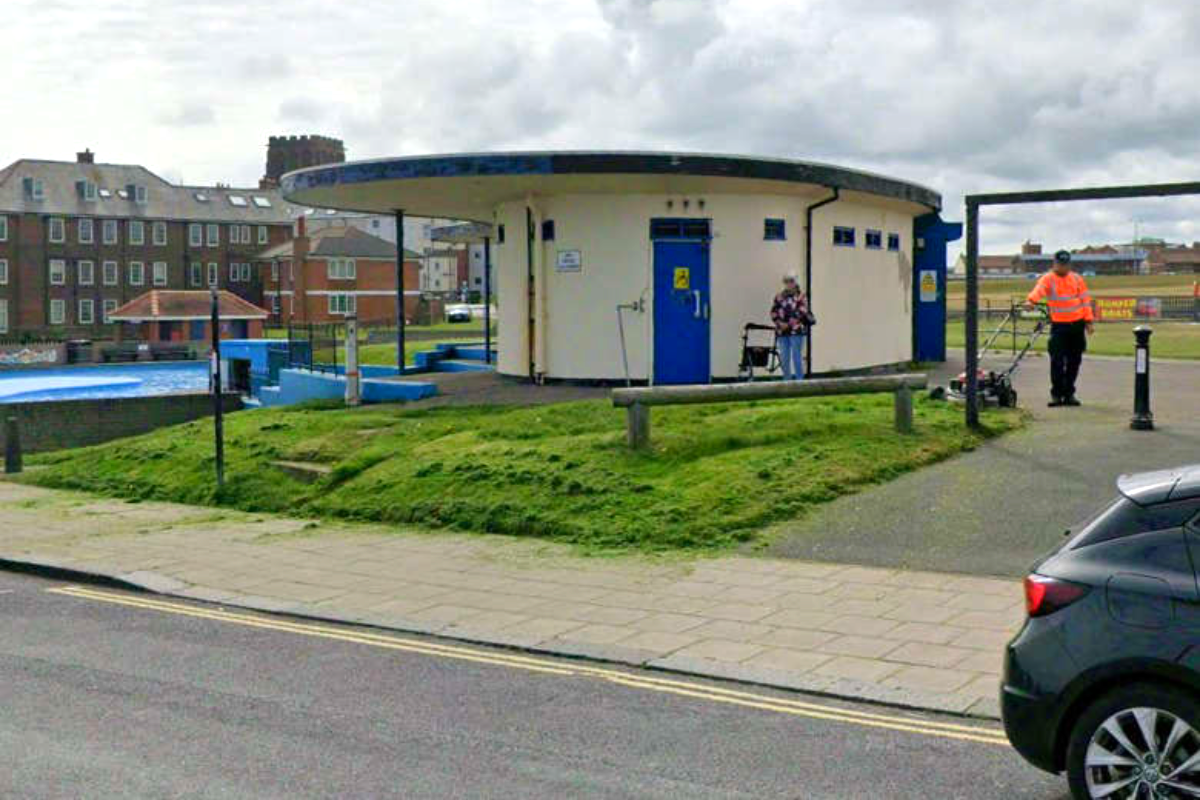 Row Over £20,000 'Incorrect' Public Toilet Charges in Whitby
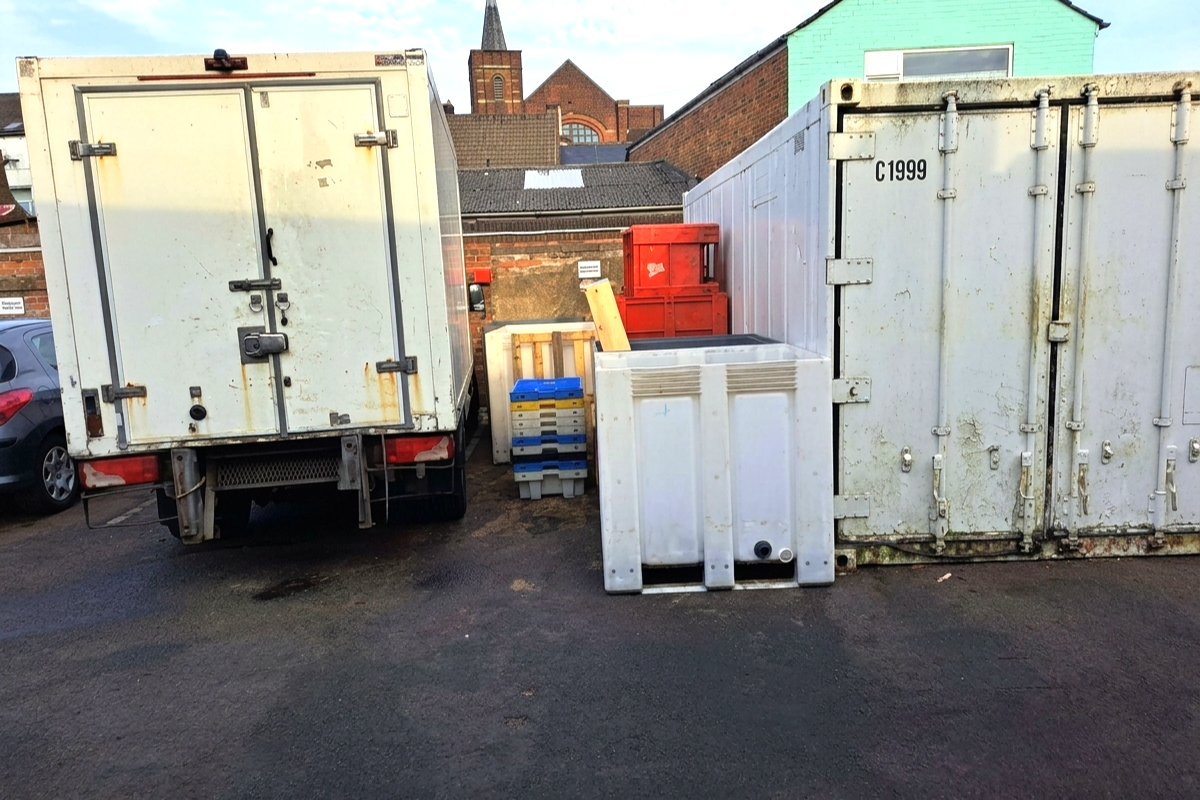 'Strong Fish Smells' Spark Objections To Seafood Business Application
 Maternity And Neonatal Services Face £736,000 Funding Gap To Meet New Safety Standards
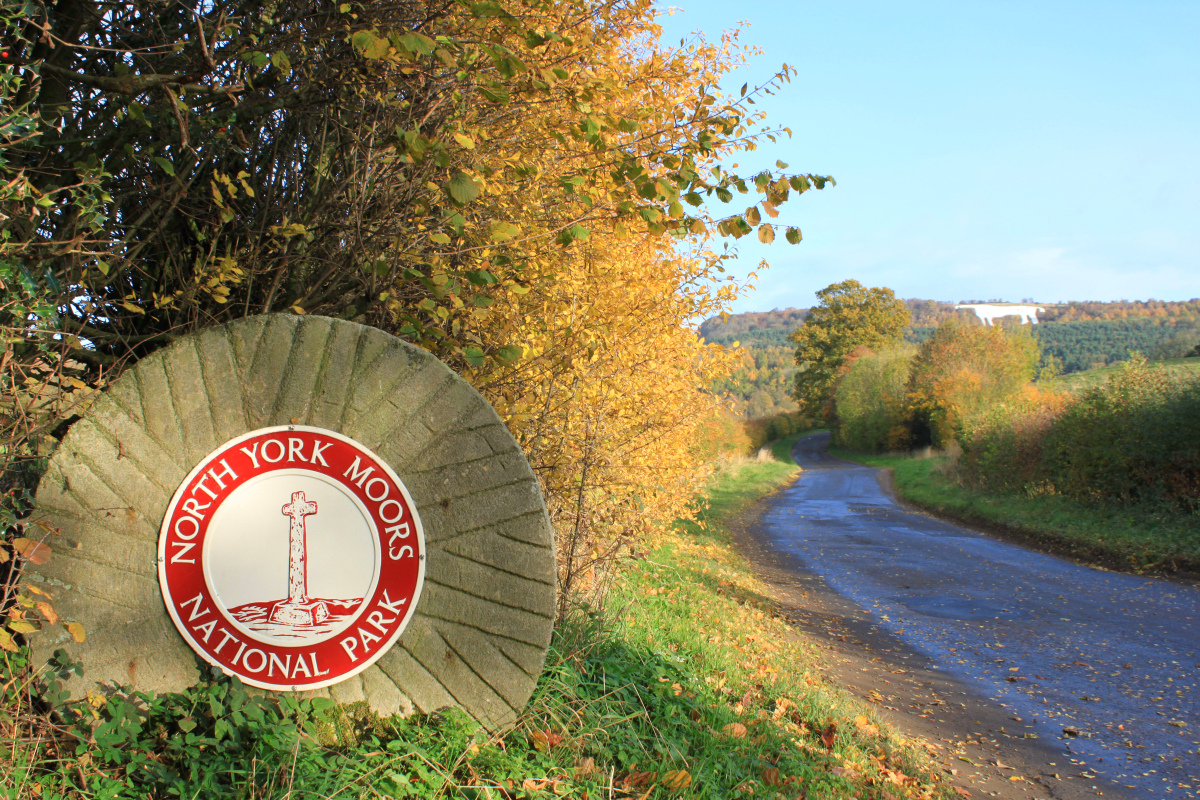 Concerns Raised Over Tourist Tax Powers In North York Moors National Park
 Educational Outcomes For Coastal Children To Receive Major Boost Under New Pilot Scheme
 Special Train Journey Evokes Precious Memories For Dementia Patients On The Yorkshire Coast
 Free Flu Vaccines Will Be Available At Drop-In Clinics Along The Yorkshire Coast
 Extracurricular Opportunities Set To Expand For Pupils In Scarborough And Whitby
 Time-Travelling Children Uncover Scarborough's Geological Past
 Solar Panels Confirmed For Whitby And Eastfield Public Buildings To Cut Energy Bills