
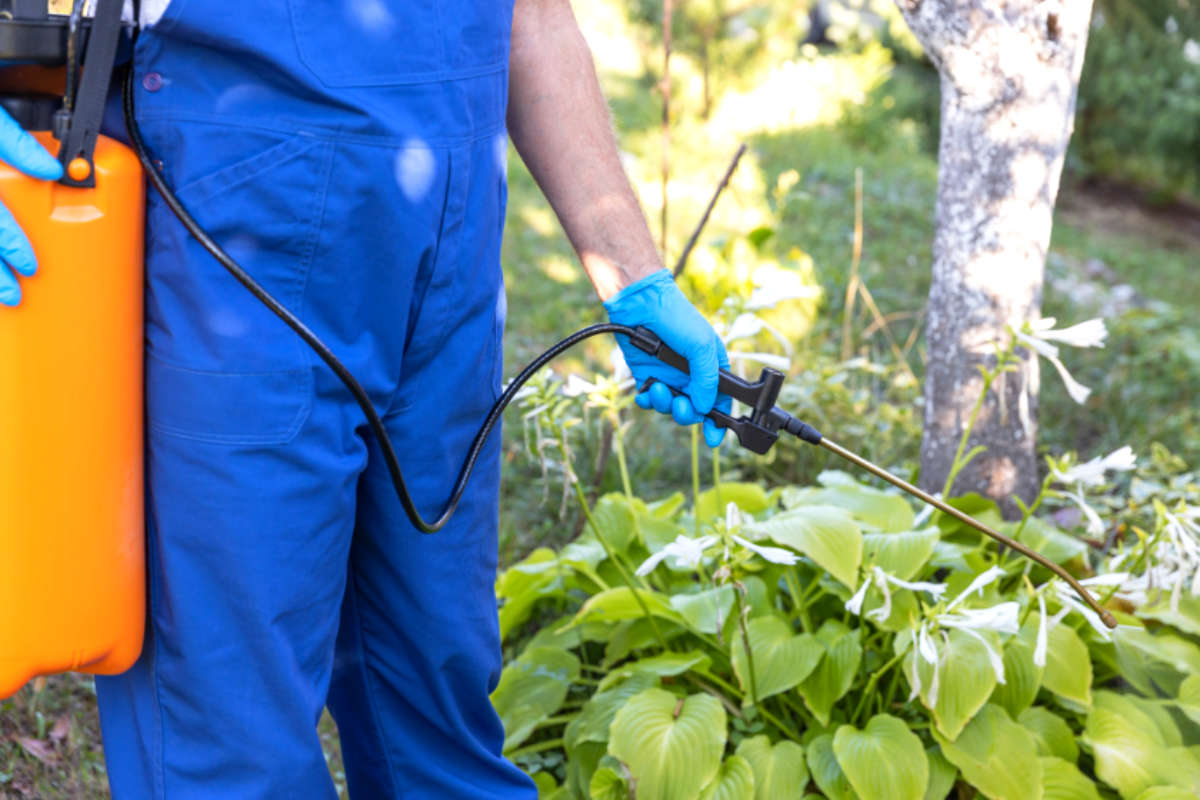
North Yorkshire Council has decided against a ban on controversial weedkiller chemical glyphosate.
A study by officers at the authority concluded that using alternatives for clearing weeds on the county’s roads could cost up to ten times more.
Despite some studies that have suggested glyphosate was a carcinogenic, councillors concluded that there were no proven risks from the chemical to staff or the wider public.
The scrutiny of health committee was asked to assess the council’s use of the chemical, along with neonicotinoid insecticides, on highways and parks and gardens following a call for a ban by Green Party member Andy Brown in May.
The committee, however, rejected the motion at its meeting last week after considering a report on the issue prepared by council officers.
The report concluded:
“Limited trials at using alternatives to glyphosate have been conducted by North Yorkshire Highways, which found that on cost, effectiveness and carbon dioxide emissions, glyphosate remained the best choice.
“Research conducted by the service concluded that a move away from glyphosate-based treatments would cost an estimated four to ten times the cost of glyphosate.”
The study found there was “no universally accepted conclusion” on whether glyphosate was carcinogenic to humans.
Chemical company Bayer has faced legal action in the US over allegations the chemical does cause cancer.
In 2015, the International Agency for Research on Cancer, part of the World Health Organization, also classified glyphosate as “probably carcinogenic to humans”, however other studies have rejected this claim.
The chemical is approved in the US and EU, although some European nations and US states have banned or restricted its use.
The chemical is licensed for use in the UK, although again some authorities have attempted to stop or reduce its use.
Brighton and Hove City Council stopped using glyphosate altogether in 2020 in favour of a “manual weed management approach”.
But they found that this was an ineffective and returned to using glyphosate in order to tackle the backlog of uncontrolled weeds.
City of York Council has also looked at alternatives to using glyphosate, but found it remained the only large scale and affordable option.
Councillor Andrew Lee, chair of the scrutiny committee, said North Yorkshire Council was naturally reducing its use of the chemical.
He added:
“There is no proven link either way to some of the negative health claims that people have made so we’re taking a precautionary principle approach
“We felt that the risk to the public from these chemicals is minimal and is no greater than from other chemicals people are exposed to.”
Cllr Lee said officers would continue to monitor the situation regarding the laws surrounding the chemical and potential alternatives.

 North Yorks Mayor Says “Quite a Low Bar” For Councillors To Say “Step Up To The Mark”
 Scalby Easter Walk Returns to Raise Funds for Futureworks Charity
 Scarborough Water: Councillors Clash Over Climate Change References
 Bid Submitted For 8 Million North East Coast Project
 Investigation Underway After Man Seen Kicking Dog In Scarborough
 Town Council Decry Abandoned, Derelict and Unused Scarborough Allotments
 Motorcyclist Sustains Life-Threatening Injuries Following Collision Near Driffield
 Whitby Town Launches Sponsor A Seat Plan
 Scarborough MP: "It’s up to the NHS Trust to improve the services”
 Filey Food Festival Falls Foul Of Storm
 Storm Dave Aftermath Brings Down Trees And Disrupts Travel Along The Yorkshire Coast
 Farage Gives Views on East Riding Mayor









Comments
Add a comment