


A Scarborough councillor is urging regulators to embrace rapid water testing technology as local volunteers and Yorkshire Water begin trialling new near real-time monitoring systems.
A Scarborough councillor is calling on the Environment Agency and Yorkshire Water to adopt rapid testing methods for bathing water quality, as a new citizen science project launches in the town.
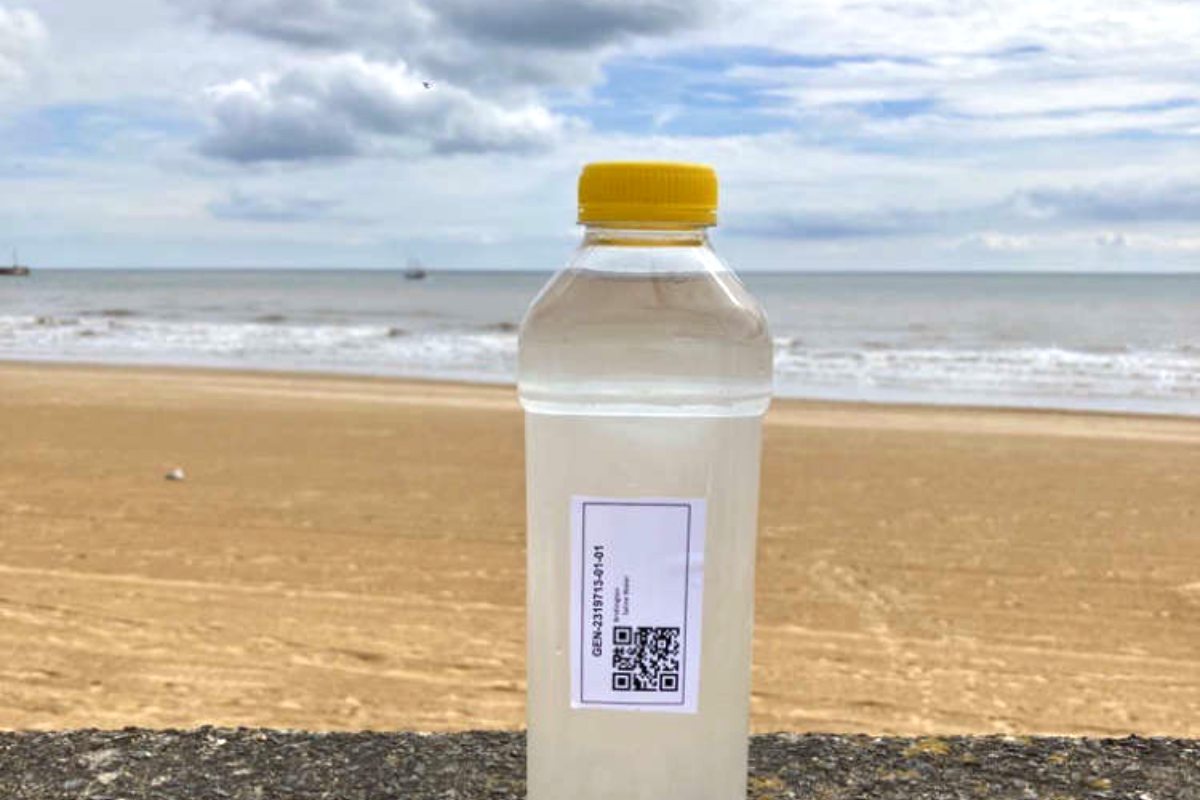
Councillor Rich Maw says volunteers are now being trained to collect water samples and use testing equipment as part of the South Bay Citizen Science Project. The initiative aims to build an independent picture of what is happening in Scarborough's bathing waters.
In a recent update, Councillor Maw noted that the public has been asked to simply trust the process for too long. He asserted that trust must be earned, which is why local volunteers are now gathering their own data.
He argues that the current official system, where the Environment Agency tests the water periodically and publishes results days later, is no longer fit for purpose.
Councillor Rich Maw said:
"I'm helping with a pilot study for citizen science, and it is a rapid testing technology.
So, if a rapid testing technology can identify elevated bacterial risk within minutes, it's 13 minutes, whereas official results may take days to be published., should regulators and water companies be exploring how such technology could complement existing monitoring to provide more timely public health warnings?
At the moment the EA are testing 20 times throughout the season and we get the results three or four days later, well people don't swim three or four days ago, they swim today."
Meanwhile, Yorkshire Water has acknowledged the need for quicker results and is exploring new methods to provide faster updates to the public.
Miles Cameron, Manager of Strategic Partnerships for Bathing Water at Yorkshire Water, described the push for immediate results as a major priority for the industry.
Miles Cameron said:
"Rapid testing is the Holy Grail. We've got a monitor in Scalby Beck and the idea of that is it looks at water quality parameters and then we take bacteriological samples which take days to process and ultimately the idea is to get a tool or an or a way of reconciling this data on your phone.
That is where we're trying to head to because this four-five day lag is not helpful. No one is telling what the water was like five days ago. It's because that was the technology it was all based on science 25-30 years ago going on a petri dish.
There is an awful lot going on in that space. We've got a number of trials, it's a very exciting space but recognize that really want something that gives you near or real-time water quality information."
To address these concerns, Yorkshire Water has recently started a two-year research project in collaboration with artificial intelligence specialists UnifAI Technology.
The project aims to use machine learning to provide real-time water quality predictions at twenty designated sites, including Scalby Beck in Scarborough and Springfield Avenue in Bridlington.
Specialist monitoring technology will take readings every fifteen minutes at each location, measuring chemical parameters such as dissolved oxygen, pH levels, ammonia, temperature, and turbidity.
This real-time data will be combined with the results of traditional water samples, which are lab-tested for harmful bacteria such as E. coli and Enterococci.
Faye Cossins, Coastal Delivery and Engagement Manager at Yorkshire Water, stated that the company knows people are passionate about their local waterways and rightly want clearer, quicker information.
Faye Cossins said:
"We know that people are passionate about their Yorkshire rivers and waterways, and they rightly want clearer, quicker information about water quality. This project has real potential to give communities near real‑time insights so they can make confident, informed decisions about taking a dip.
We're pleased to be leading this work with our partners and with funding from Ofwat's Breakthrough Challenge. It's an important step forward in innovation, transparency and preparing for future environmental monitoring requirements.
Using specialist monitoring sensors, on‑site sampling and UnifAI Technology machine‑learning, the 2-year project will gather over 7,800 samples from 20 varied inland bathing water sites. This data will be used to build a transferable, site‑agnostic AI model that can predict bacteria levels across different water types — from rivers to lidos to coastal inlets. If proven, the technology has the potential to be deployed widely and at scale."
If the artificial intelligence model proves successful after its two-year data collection phase, Yorkshire Water hopes the public will be able to access near-live water quality predictions through a user-friendly web app.

 Scarborough's Alpamare Waterpark Expected to Be Sold to 'Protect Its Future' With Private Investment
 Bridlington Woman Arrested On Suspicion of Drink Driving
 Scarborough Extreme Brings Free Urban Sports To North Bay This Weekend
 Scarborough Athletic Begin FA Cup Campaign With Dunston Clash
 Classic Motorbikes Embark On Coast-To-Coast Challenge For Scarborough Hospice
 Pickering Man Jailed After Sex Assaults
 Bridlington Town Target Fourth Consecutive Victory In Silsden Clash
 Big Kick Off For Whitby Rugby Club
 Pickering Town Aim To Continue Winning Run
 Scarborough Hosts National Celebration Of Seaside Heritage And Coastal Culture
 Bus Passengers Promised Better Services As New Five-Year Plan Revealed
 Motorcyclist From Whitby Area Dies In Collision Near Fylingdales