

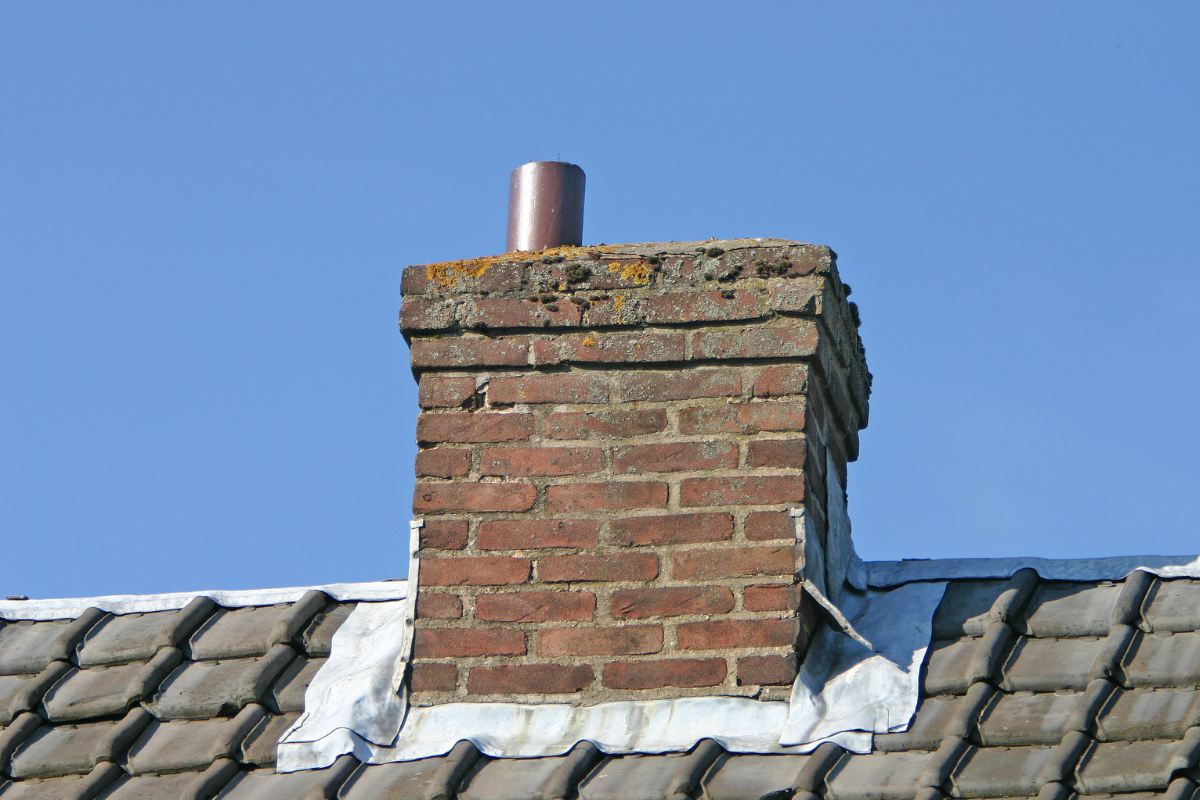
Homes across North Yorkshire could be at risk of devastating winter blazes unless chimneys and heating appliances are properly maintained ahead of the colder months.
Homes across North Yorkshire could face serious fire risks this winter if chimneys and solid fuel appliances are not properly maintained.
Chimney fires prompted sixty-two emergency call-outs in the county during the year ending March 2026. Safety officials warn that these incidents, while largely preventable, can cause severe damage to properties and put lives in danger.
Vital safety checks are being encouraged as part of Chimney Fire Safety Week, which runs from the seventh to the thirteenth of September, prompting residents to take immediate action before temperatures drop.
A dangerous build-up of soot, tar, and debris inside flues significantly increases the likelihood of a blaze starting when fires are used more frequently during the autumn and winter months.
Registered professionals should be hired to sweep chimneys, especially following a long period of inactivity, according to North Yorkshire Fire and Rescue Service. The organisation also stresses the importance of burning quality-assured fuels and ensuring smoke alarms are fully functional.
Watch Manager Sy Wray said:
"Chimney fires are often preventable. Taking time now to get your chimney swept, use the correct fuel and test your smoke alarms can help protect your home and family when temperatures drop. If you know someone who may need help arranging a chimney sweep or checking their alarms, please pass this advice on."
Fireplaces and chimneys must be closely inspected for damage, such as cracks or deteriorating mortar, before the first fire of the season is lit. A poor draw, smoke entering the room, excessive soot, or unusual odours can all point to a dangerous blockage or maintenance issue.
Carbon monoxide poisoning remains a severe threat linked to poorly maintained chimneys. Often referred to as the silent killer due to being colourless, odourless, and tasteless, the gas can cause headaches, dizziness, nausea, and confusion, with severe exposure potentially proving fatal.
Working carbon monoxide alarms must be installed near every solid fuel or gas appliance, fire officials state, alongside at least one smoke alarm on every level of the property, which should be tested monthly.
The frequency of professional chimney sweeping depends on the type of fuel burned. National guidance dictates that chimneys serving open fires or wood-burning stoves should be cleaned at least once a year by qualified professionals, though more frequent sweeping is required for those regularly burning bituminous coal.
Toxic fumes and dangerous tar build-ups will plague flues if wet timber, household waste, or treated wood are burned. Householders are advised to burn only dry, seasoned wood with a moisture content below twenty percent.
Hot embers can easily escape and ignite carpets or furnishings if fireguards are not used. Safety experts highlight guards as a crucial, yet frequently overlooked, safety measure. A fire should never be left unattended, especially around children or pets, and combustible materials must be kept at least one metre away from the stove.
Fires should be allowed to burn down naturally before residents leave the house or go to bed, rather than being extinguished with water. Occupants are advised to spread the embers, cover them with ash, and close the air vents. Cooled ash must be placed in a metal container with a lid and stored a safe distance from buildings or sheds, as it can remain hot for several days.
Air vents should be closed to restrict the oxygen supply if a chimney fire breaks out and it is safe to do so. Occupants must leave the property immediately and dial 999. Water must never be thrown onto a chimney fire, as it can cause severe structural damage and create dangerous steam.
Eligible residents can also apply for a free Home Fire Safety Visit through the North Yorkshire Fire and Rescue Service website to receive further support and guidance.

 Record Multimillion-Pound Investment Promises To Fix North Yorkshire's Roads And Potholes
 North Yorkshire Police Emergency Call Waiting Times Remain Low Despite Surge In Demand
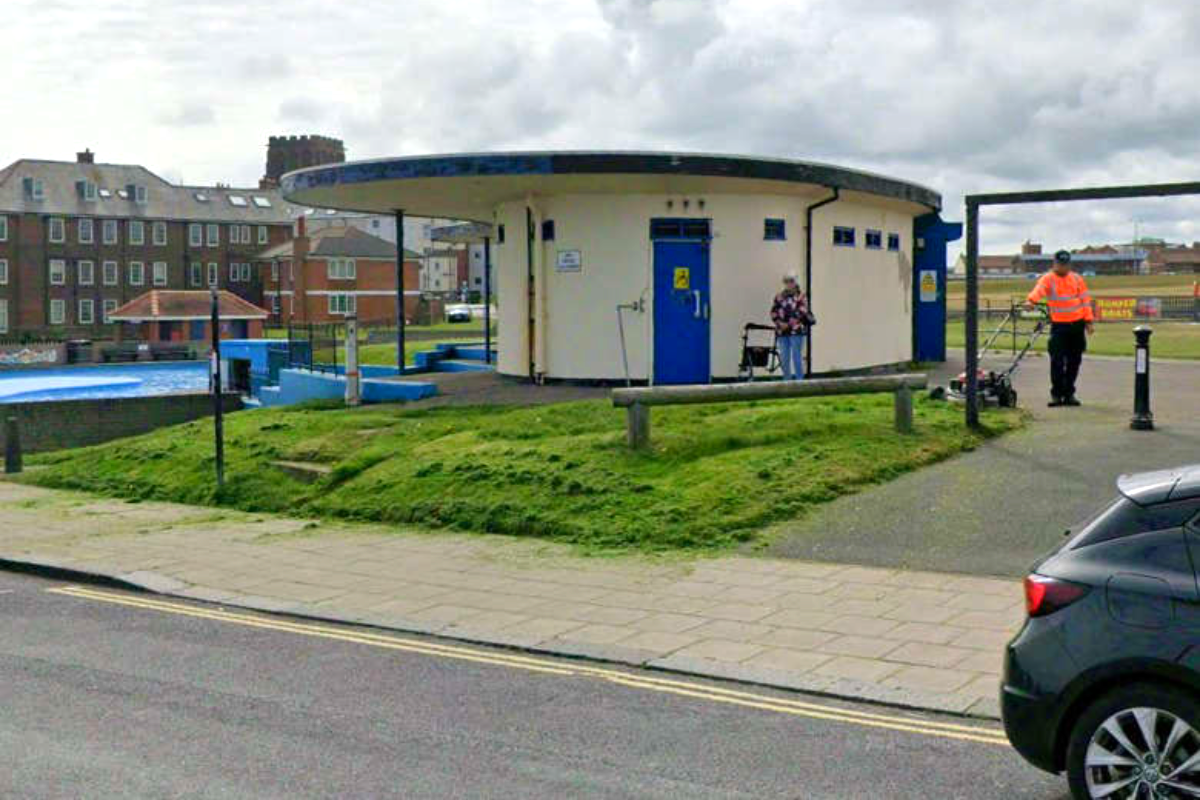 Row Over £20,000 'Incorrect' Public Toilet Charges in Whitby
 'Strong Fish Smells' Spark Objections To Seafood Business Application
 Maternity And Neonatal Services Face £736,000 Funding Gap To Meet New Safety Standards
 Concerns Raised Over Tourist Tax Powers In North York Moors National Park
 Educational Outcomes For Coastal Children To Receive Major Boost Under New Pilot Scheme
 Special Train Journey Evokes Precious Memories For Dementia Patients On The Yorkshire Coast
 Free Flu Vaccines Will Be Available At Drop-In Clinics Along The Yorkshire Coast
 Extracurricular Opportunities Set To Expand For Pupils In Scarborough And Whitby
 Time-Travelling Children Uncover Scarborough's Geological Past
 Solar Panels Confirmed For Whitby And Eastfield Public Buildings To Cut Energy Bills