


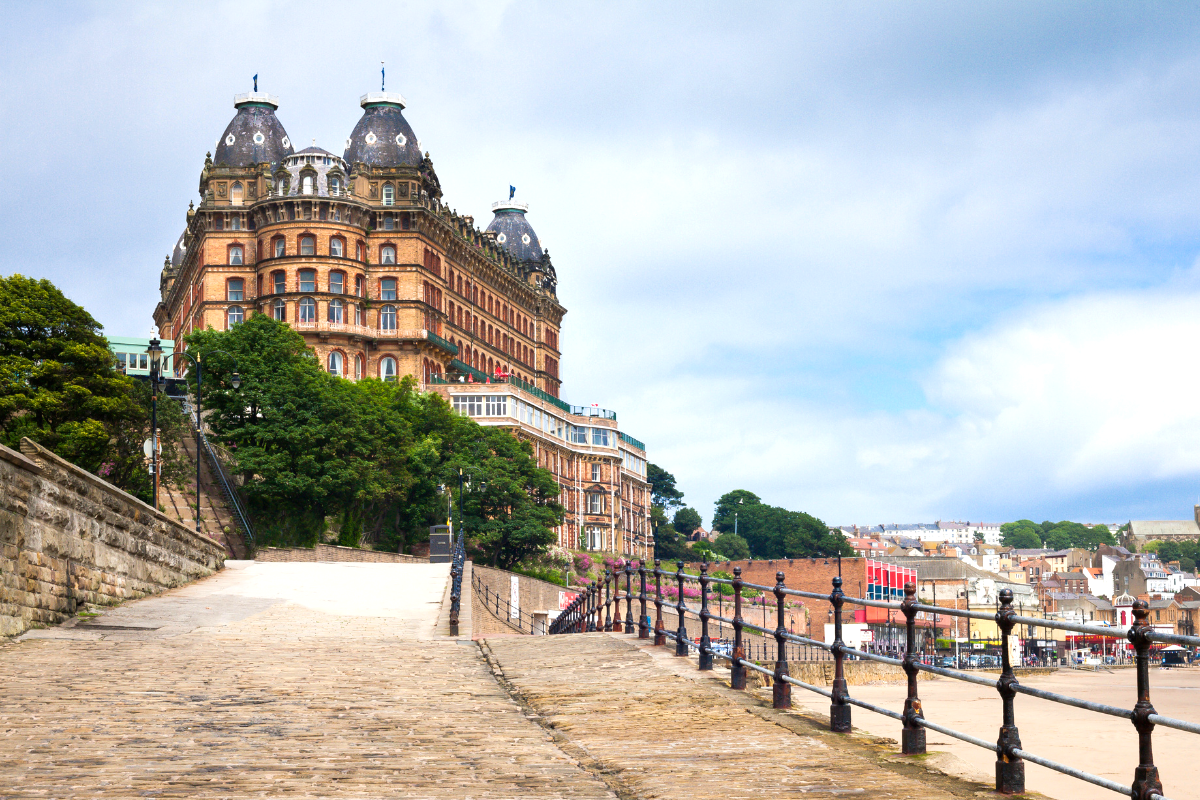
Plans to build a massive artificial nesting structure for kittiwakes at Scarborough's Grand Hotel have been scrapped over fears it would waste public money.
An artificial nesting structure for kittiwakes at Scarborough's Grand Hotel will no longer be built.
North Yorkshire Council has dropped the controversial plan, which was originally designed to manage the town's growing urban gull population. The decision marks a significant change of direction from recommendations made last year, when a council-commissioned study identified the Grand Hotel as the single most suitable location for a purpose-built structure.
The abandoned project would have accommodated more than a thousand nesting spaces. It formed part of wider efforts to address longstanding complaints about noise and bird droppings, while also supporting the conservation of the nationally important seabird population.
An ornithologist commissioned by the authority previously noted that the hotel's terrace offered a "maximum design opportunity" that could potentially support up to 600 pairs of kittiwakes once fully colonised.
However, a new report due before the Scarborough and Whitby Area Committee reveals the idea has been scrapped following further expert advice.
The council's ecologist and Professor Helen Wilson concluded that a nesting structure located on the foreshore below the hotel would be unlikely to succeed. They determined the site would not be sufficiently visible to attract birds away from their established nesting areas.
Council officers warned that proceeding with a scheme considered unlikely to work could expose the authority to criticism for wasting public funds.
Outlining the decision to halt the project, the official committee report states:
"Not being progressed at the present time."
Alternative ways of living alongside the protected birds will now be investigated as part of the wider Urban Gull Strategy, which was approved earlier this year.
Work is already underway on a pilot scheme using gull-proof refuse sacks in Scarborough's Eastborough area. Meanwhile, researchers from Hull University's Coexist Project are beginning a year-long study to examine human-gull interactions and public attitudes towards the birds.
A total of £119,500 has been allocated for the first phase of the gull strategy. This funding will cover the rollout of gull-proof sacks, seasonal cleaning, education campaigns, and new litter bins across the area.

 Scarborough Athletic Seek Away Victory at Oxford City Following FA Trophy Success
 Antisocial Behaviour Drops by Eight Per Cent Along North Yorkshire Coast
 Bridlington Runners Tackle 441-Mile Challenge From Land's End To Flamborough For Movember
 Public Toilet Questions Remain Over Multi-Million-Pound Brunswick Centre Plans
 Scarborough GP Surgery Retains Good CQC Rating Despite Minor Concerns
 Countryside Communities Get New Champion As Rural Partnership Appoints Chair
 Scarborough and Whitby MP Voices Concerns Over Visitor Levy Plans
 Free Books to be Handed Out In Fish And Chip Shops As Whitby Lit Fest Returns
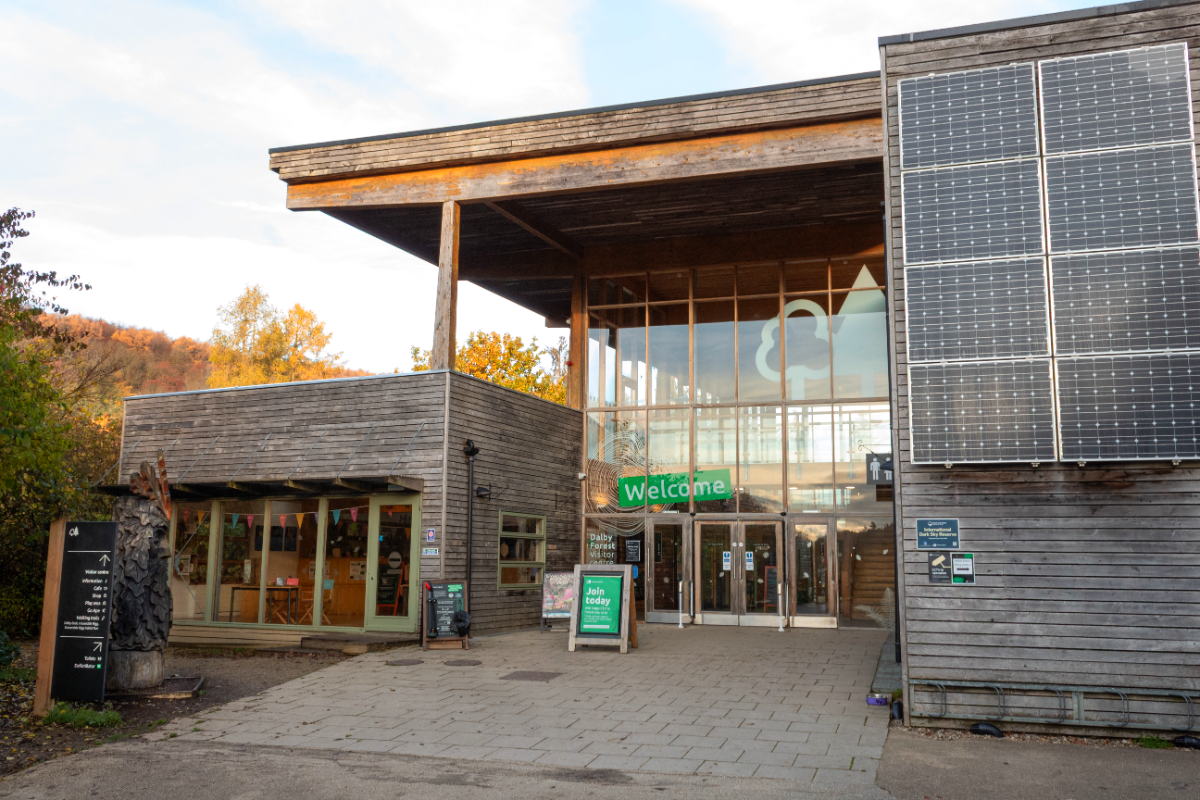 Dalby Forest Secures Second Consecutive Gold Award From VisitEngland
 Drought Status Remains In Place As Focus Shifts To Winter Reservoir Recovery
 Online Auction Aims To Transform End-Of-Life Care At Scarborough Hospital
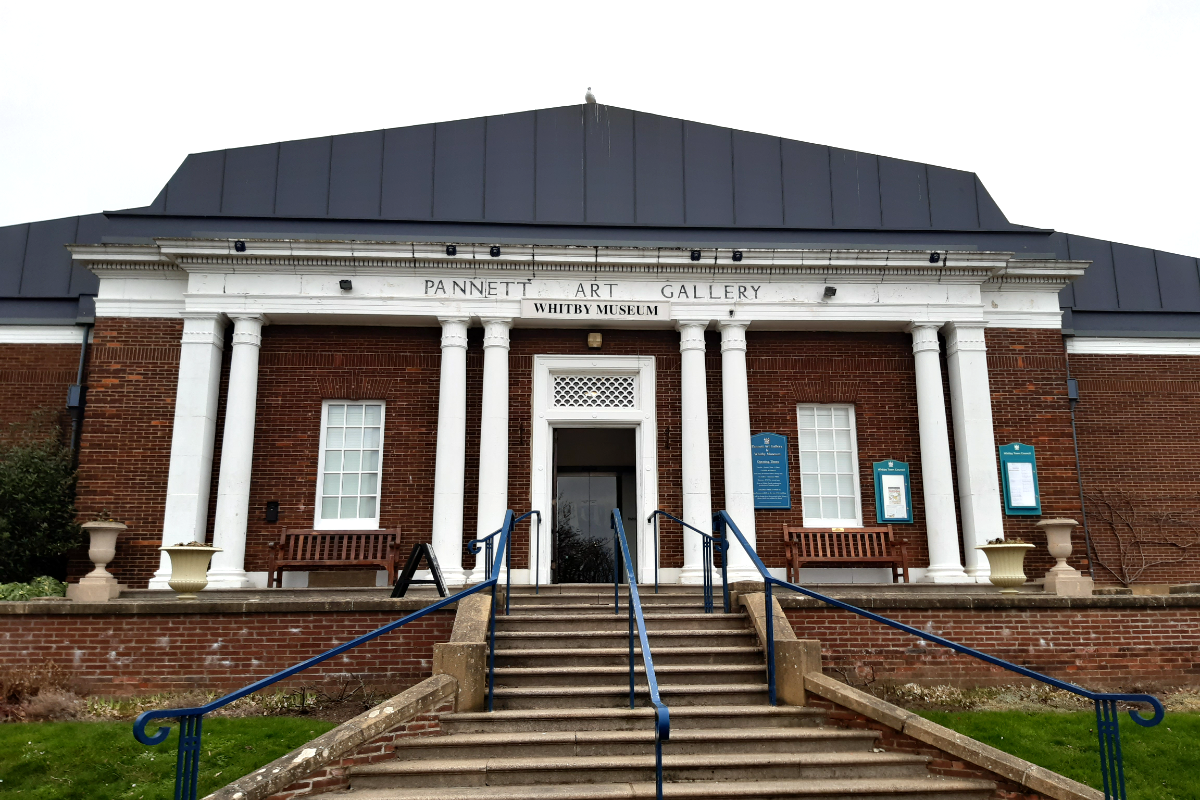 Whitby By-Election Called After Former Councillors Banned From Council Premises