
Gull-proof litter bins and seasonal street jet-washing will be introduced to coastal towns as part of a new approach to managing urban seabirds.
Gull-proof litter bins and seasonal street jet-washing will be introduced across the Yorkshire Coast as part of a new approach to managing urban seabirds.
Residents in Scarborough, Whitby, and Filey are also set to receive gull-proof waste sacks under a proposed strategy aiming to reduce scavenging and aggressive behaviour from the protected birds.
The measures mark a shift away from previous control methods, such as random building proofing and nest destruction, which were predominantly used in Scarborough before the formation of North Yorkshire Council.
A new urban gull strategy, set to be discussed by the council's executive on Tuesday, August 4, proposes a balanced approach to co-existing with herring gulls and kittiwakes.
According to a report prepared for the executive, previous actions to deter nesting were installed without effective risk assessments or evaluation. Officials noted there was little regard for the ecological differences between herring gulls and kittiwakes, which is considered essential for understanding how to manage their presence.
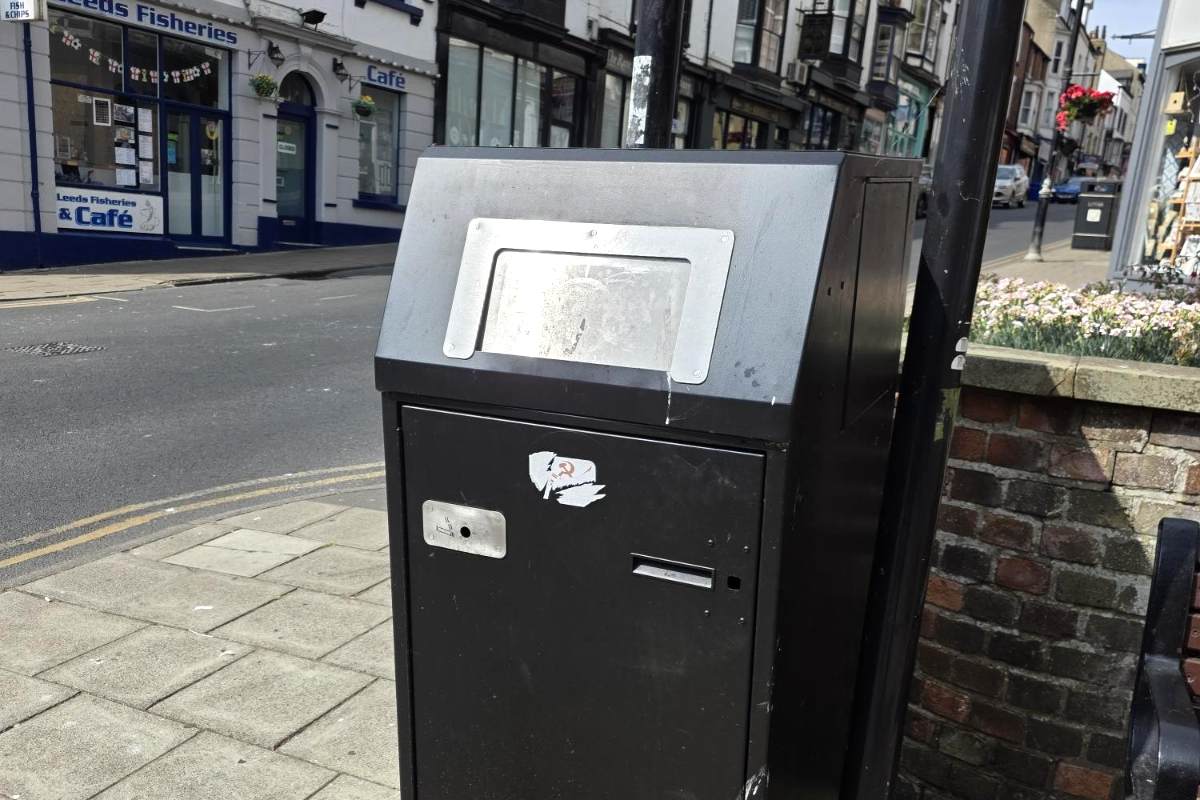
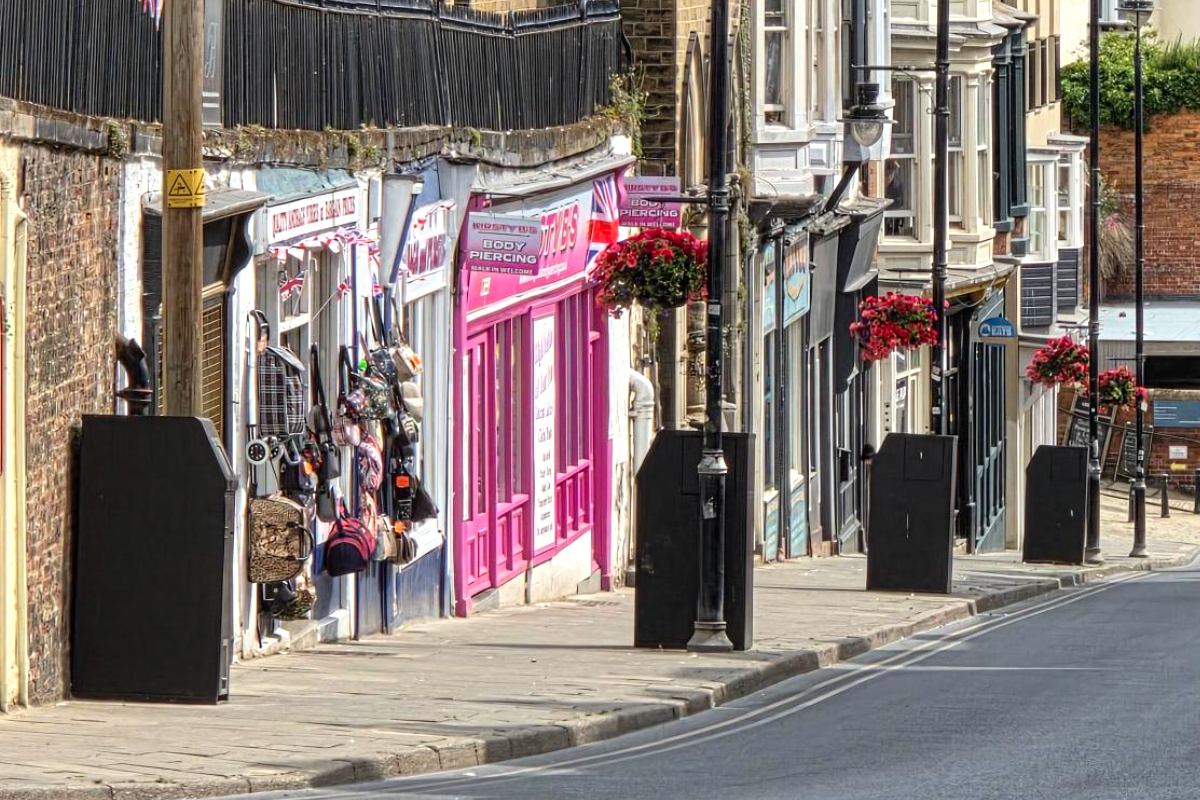
Waste and street scene teams have already begun rolling out the new litter bins in Scarborough, which feature a strong metal flap to prevent birds from reaching the rubbish.
North Yorkshire Council’s executive member for managing our environment, Councillor Richard Foster, said:
"Gulls are a defining feature of the county’s coastal communities, however, their growing number in urban areas creates challenges.
Although we can put measures in place to manage their impact, our message to the public is to stop feeding them – they are opportunists and any encouragement can lead to scavenging and taking food.
This proposed strategy sets out a clear, balanced approach that recognises both the importance of protecting these species and the need to minimise their impact on residents, businesses and visitors.
Through targeted actions such as reducing food waste, improving awareness and using effective deterrents, we can support a long-term future to live alongside our gull populations and ensure our coastal towns remain clean, safe and welcoming places for everyone."
The proposed plan is built on five core pillars: education and communication, waste management, cleaning services, proofing, and ongoing monitoring.
An initial investment of £119,500 is earmarked for the first year of the scheme. This includes £50,000 for seasonal jet-washing, which represents an increase in activity based on customer feedback from previous years.
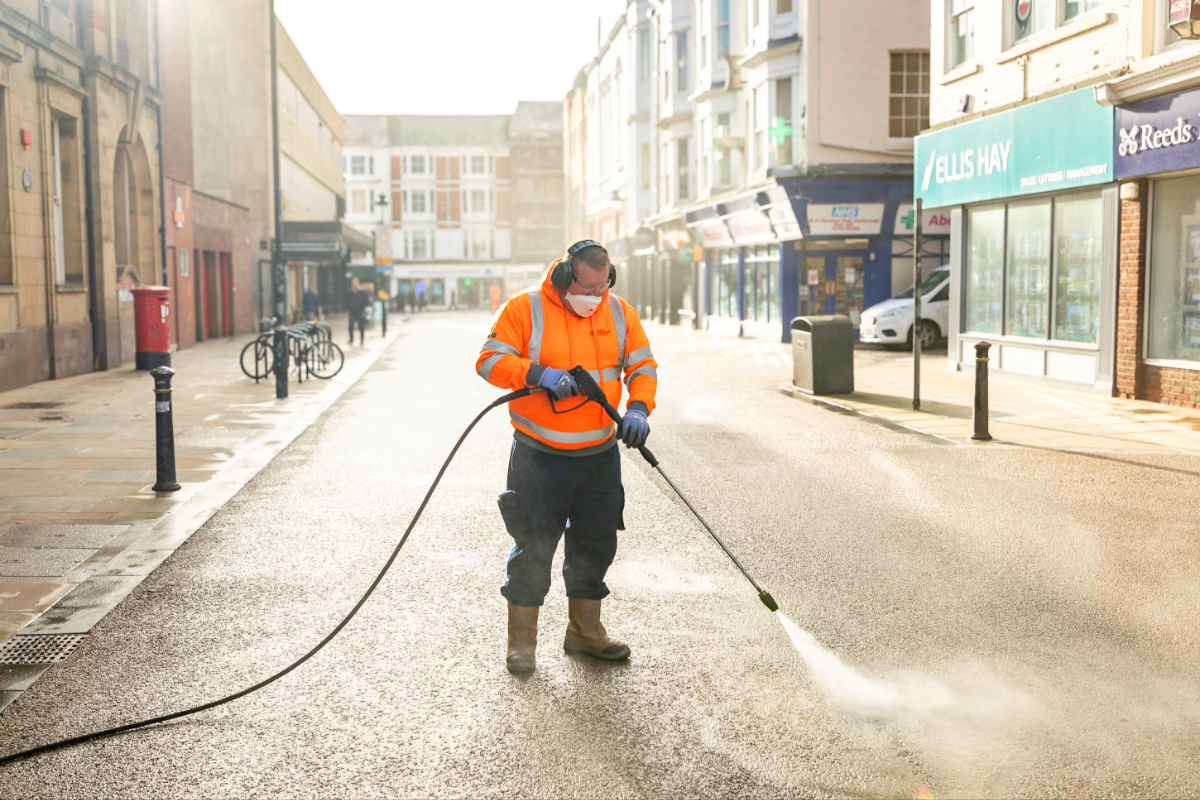
A further £30,000 will be spent on gull-proof sacks, based on previous orders covering seven thousand customers, while £19,500 will fund the trial of new bins and retrofitting additional measures to existing ones.
The remaining £20,000 will be dedicated to education, communications, and auditing or replacing signage.
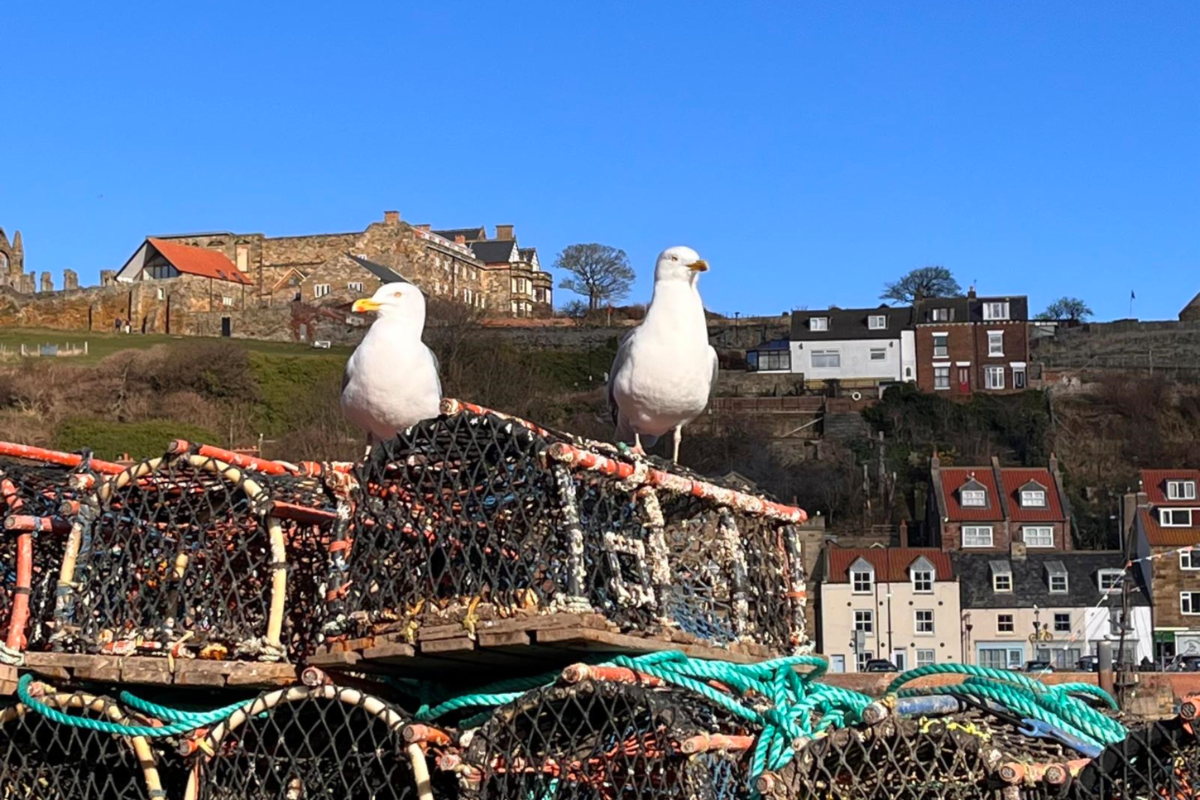
Herring gulls and kittiwakes are protected as wild birds under the Wildlife and Countryside Act of 1981, and the council has a legal duty to protect and enhance biodiversity.
Despite significant population declines nationally, the increasing presence of gulls in coastal urban areas has led to issues including noise, fouling, and public health concerns.
A targeted consultation carried out in March 2025 with 102 coastal businesses, town councils, and environmental organisations found strong support for education, signage, and waste control.
While opinions were divided on the visual impact of the birds, respondents recognised gulls as part of the coastal character but expressed concern over aggressive behaviour and fouling.
To further restrict the birds' food sources, local committees have suggested exploring a pilot scheme for separate food waste collections in coastal areas ahead of existing timescales.
Work will be undertaken to establish the feasibility of this pilot scheme, with findings expected to be reported back to the Scarborough and Whitby Area Committee in September.
The council is also exploring sustainable solutions such as alternative nesting structures, though current costings do not include funding for a potential artificial kittiwake nesting site.
If approved by the executive, the strategy will guide ongoing management efforts, with regular reviews to ensure the measures remain effective and lawful.
A part-time technical officer will be temporarily appointed to coordinate the rollout of the new initiatives across the coastal towns.

 Record Multimillion-Pound Investment Promises To Fix North Yorkshire's Roads And Potholes
 North Yorkshire Police Emergency Call Waiting Times Remain Low Despite Surge In Demand
 Row Over £20,000 'Incorrect' Public Toilet Charges in Whitby
 'Strong Fish Smells' Spark Objections To Seafood Business Application
 Maternity And Neonatal Services Face £736,000 Funding Gap To Meet New Safety Standards
 Concerns Raised Over Tourist Tax Powers In North York Moors National Park
 Educational Outcomes For Coastal Children To Receive Major Boost Under New Pilot Scheme
 Special Train Journey Evokes Precious Memories For Dementia Patients On The Yorkshire Coast
 Free Flu Vaccines Will Be Available At Drop-In Clinics Along The Yorkshire Coast
 Extracurricular Opportunities Set To Expand For Pupils In Scarborough And Whitby
 Time-Travelling Children Uncover Scarborough's Geological Past
 Solar Panels Confirmed For Whitby And Eastfield Public Buildings To Cut Energy Bills