


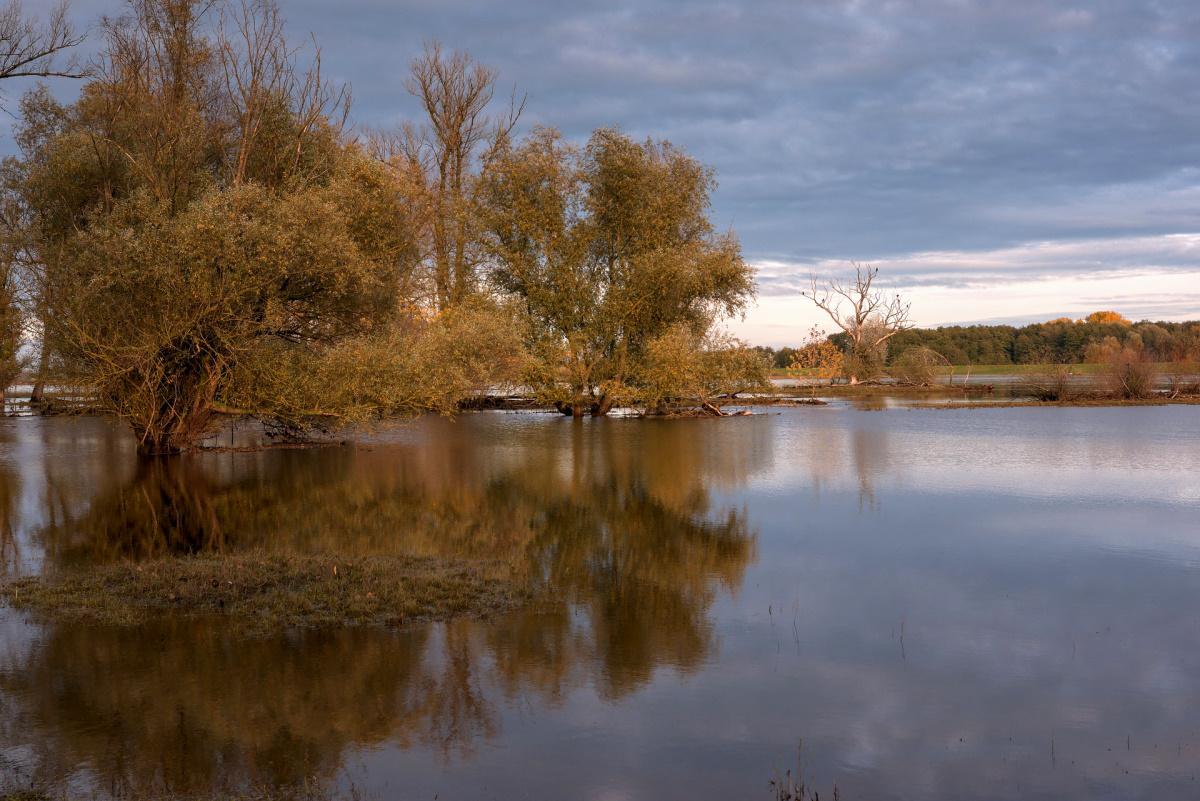
One hundred and forty “high consequence” flood defences across the East Riding, Hull and North Lincolnshire are “below required condition”.
The BBC Shared Data Unit has compiled extensive data on flood defences in England inspected by the Environment Agency.
“High consequence” defences protect multiple homes and businesses. The data shows there are more than 6,500 “high consequence” defences in England that are “below required condition”, and 140 such locally.
An Environment Agency spokesperson has said protecting people in Lincolnshire and Yorkshire from flooding “is a top priority”. Overall, in the last 10 years it has invested more than £465m in flood defence investment in Lincolnshire and Hull and East Riding.
Among major investment locally, the Environment Agency marked earlier this month three years of construction of new Stallingborough flood defences. The Environment Agency spokesperson also stressed a “below required condition” defence does not mean it has failed, but that it needs work doing to it.
For East Riding, 854 out of 1,301 flood defences are “high consequence”. 101 defences in total are assessed as below required condition, though only 63 of these are “high consequence”.
Flooding Minister Emma Hardy (Labour – Hull West and Haltemprice) told MPs in April 3,000 of the Environment Agency’s 38,000 high-consequence assets were in the “poorest condition on record” following “years of under-investment”. Responding to the BBC Shared Data Unit analysis, Ms Hardy has said:
“We inherited flood assets in their worst condition on record.
“Our immediate response was to redirect £108 million into maintenance and repair works. But this is just the start.
“We’re investing at least £10.5 billion – the largest programme ever – in flood defences until 2036. This will build new defences and repair assets across the country, protecting our communities for decades to come.”
An Environment Agency spokesperson said:
“Protecting people in Lincolnshire and Yorkshire from the devastating impact of flooding is a top priority – which is more important than ever as climate change brings more extreme weather. If an asset is deemed to be ‘below required condition’, this means that work is required, it may not have failed and may still perform as expected during a flood event.”
The spokesperson added if an asset’s performance is reduced, it takes action to ensure flood risk continues to be managed effectively until its repair or replacement:
“We have invested more than £200m in flood prevention measures across Lincolnshire in the past 10 years and over £265 million in schemes to reduce flood risk in Hull and East Riding, to better protect local communities.”
In 2024/25, £36 million was reprioritised from capital investment by the Environment Agency to repair defences damaged during storms and flood events. In the current 2025/26 financial year, £72m has been reprioritised towards maintaining assets.
Combined, Government and partners investment in flood defences in Hull and East Riding since 2015 amounts to £342m and has led to over 56,000 homes and properties being better protected.
The Environment Agency scheme is projected to protect £1.1 billion of economic benefits, and combat against climate change for at least another 25 years. Work has focused on two elements: rock armour placing along the sea wall; refurbishing four drainage channels that take water from the land into the Humber Estuary.
Last year, large granite rocks were installed along 3km of the sea wall to absorb wave energy and significantly reduce the amount of water washing over. This year, small gaps around pipelines have been filled, and access routes to the drainage channels, or outfalls, improved.
“Once fully completed next year, this project will better protect 2,400 properties from flooding for at least 25 years,” said Mark Adams, the Environment Agency’s local client lead for the project.
“Throughout our work we have been factoring in the challenges of climate change.”
The work is expected to take another year before completion. The scheme’s cost has risen from an initial £29m to now £33m. However, the Environment Agency has stated by starting a year early in 2023, £5m was saved from avoiding higher rock costs and securing temporary storage areas.

 Outdoor Fires Surge Across North Yorkshire Over Summer Months
 Live Facial Recognition Cameras Go Live in North Yorkshire
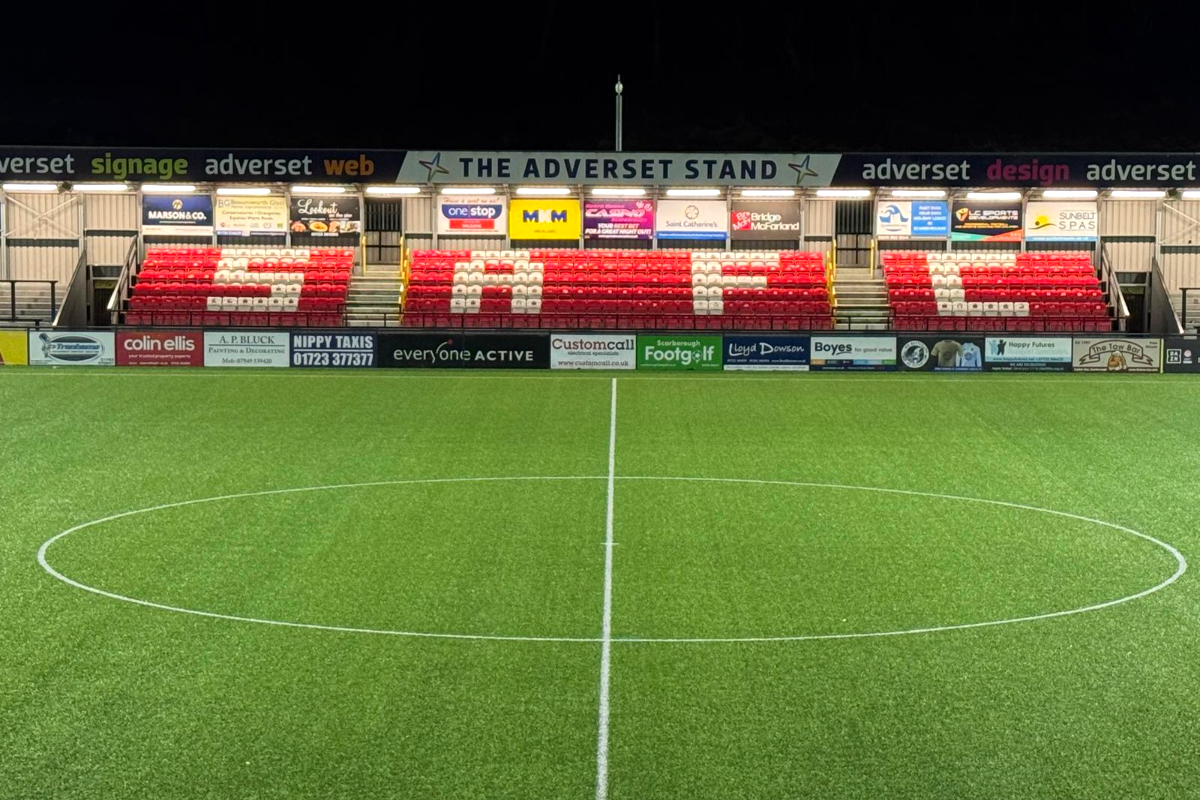 Scarborough Athletic Bids To Change Alcohol Rules To Improve Matchday Experience
 Is The Mayor Of Hull And East Yorkshire Planning A Huge Boxing Comeback?
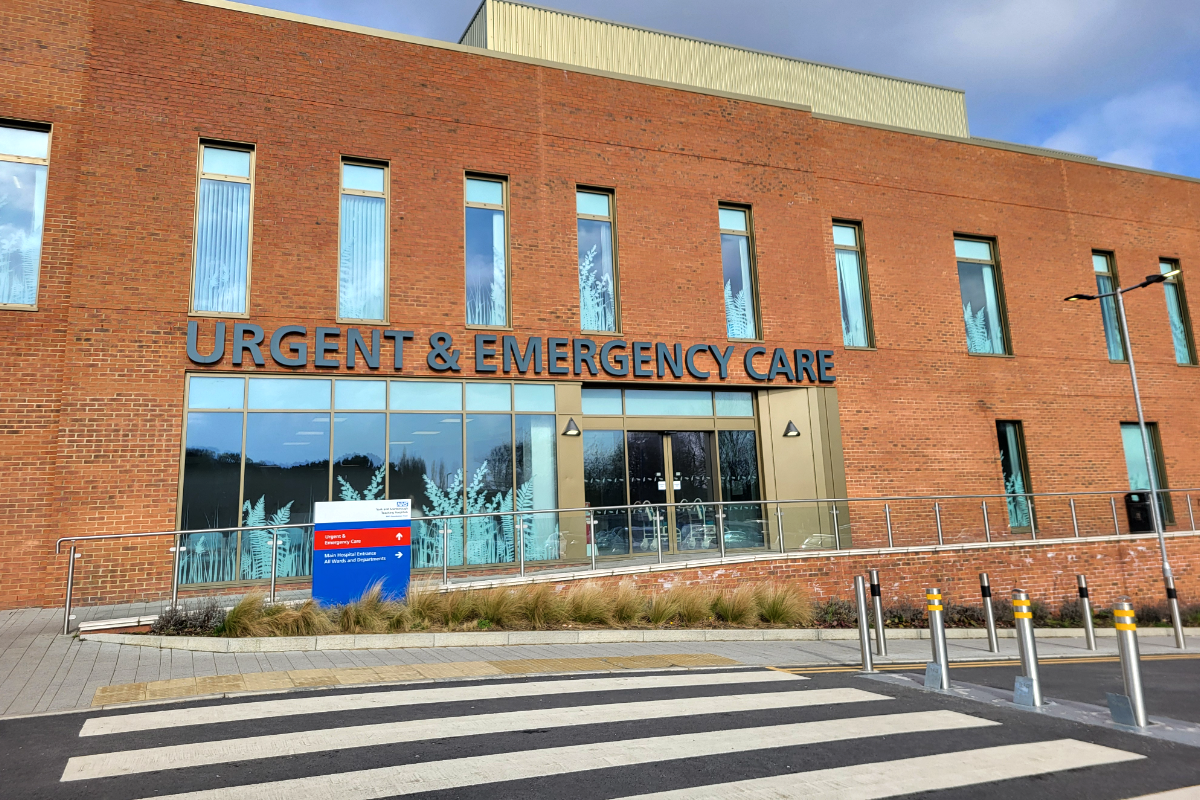 Scarborough and Bridlington Residents Given Chance To Question Local Hospital Bosses
 New Cycling Routes Bring 'Champagne Gravel' Adventures to the North York Moors
 Two Drivers Seriously Injured In B1249 Crash Near Foxholes
 Pebble Protest - Dozens Of Painted Pebbles Appear At Scarborough Spa Cliff Lift
 Fracking Loophole Must Be Closed To Protect Coastal Communities, MP Warns
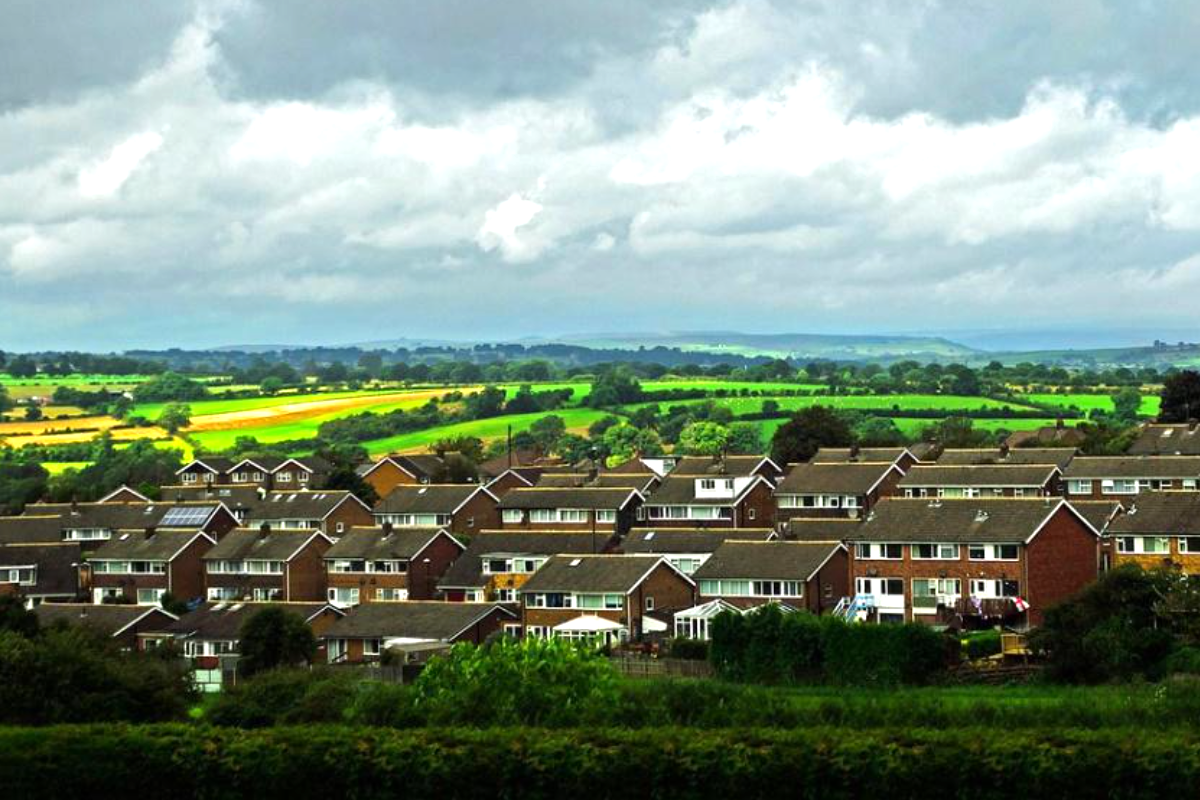 Claims Asylum Seekers Will Be Housed In New Council Properties Rejected As £18m Scheme Approved
 RAF Fylingdales Recognised For Six Decades Of Service To Whitby
 Future Of Whitby Football Club Secured With Three-Acre Land Gift









Comments
Add a comment