


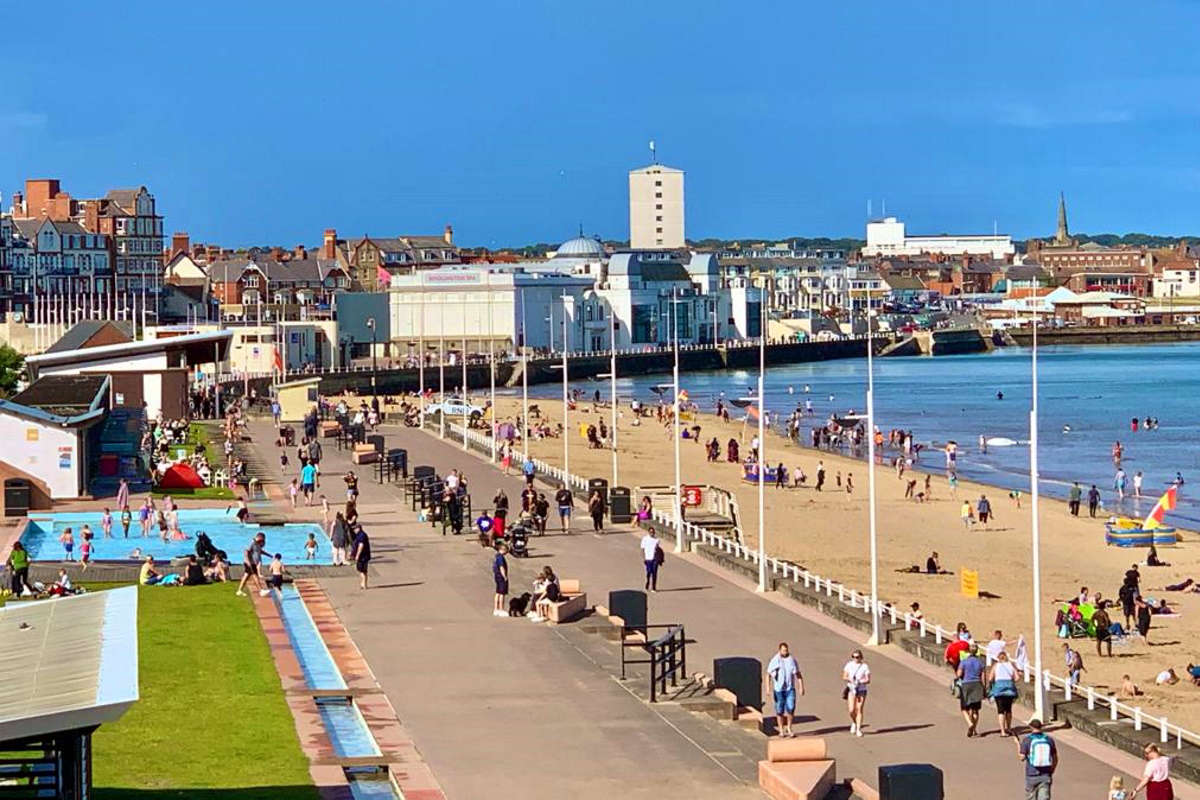
An East Riding councillor has called on the region's combined authority mayor to ditch plans for a visitor levy, warning that taxing tourists could sabotage ongoing bids by local towns to become the UK's next Town of Culture.
Plans to introduce an overnight accommodation charge across East Yorkshire are facing fierce opposition from local politicians who fear the move could cripple the coastal hospitality trade.
The proposal, which would grant regional mayors the authority to implement a tourism tax, has sparked a backlash from East Riding representatives. They argue that adding extra costs to holidays will drive holidaymakers away from the Yorkshire Coast and surrounding areas.
The prospect of a levy is seen as particularly damaging given that four East Riding communities, including Bridlington and Driffield, are currently preparing bids to be named the UK Town of Culture for 2028.
East Riding Councillor Denis Healy strongly believes that hitting holidaymakers with a financial penalty directly contradicts the region's ambition to draw in new audiences.
Speaking about the potential impact on the local cultural bids, Councillor Denis Healy said:
"Four East Riding towns are all bidding for UK town of culture 2028. And that is a remarkable moment of ambition and pride for our area. If any of these towns were selected, we could expect an influx of visitors, we could expect national attention and a rare opportunity to showcase the East Riding at its very best. What message would it send if, just as we reach for this opportunity, we slap a tax on the very visitors that we're trying to attract. What sense does it make to champion culture with one hand while deterring cultural tourists with the other."
The councillor feels that the area needs to demonstrate that it is an inviting destination for travellers, rather than putting up financial barriers.
Setting out his vision for the region's visitor economy, Councillor Denis Healy said:
"A town of culture year should boost participation not price people out, and certainly not impose costs that undermine the appeal and viability of the program itself. We want to welcome people here, not tax them, we want to encourage longer stays, not shorter ones, we want a thriving visitor economy, not a shrinking one, and this would do more harm than good. Let us support our hospitality sector, back our town of culture ambitions, and send a clear message that the East Riding is open, competitive, and welcoming to visitors without additional charges."
Concerns over the policy have been formalised through a motion put forward by Councillor Mike Heslop-Mullens. The motion, which has received backing from fellow councillors, demands that the local authority writes to the Combined Authority Mayor to formally resist any such tax within Hull and the East Riding.
Outlining the differences between the Yorkshire Coast and other destinations, Councillor Denis Healy previously noted that the local tourism sector is highly seasonal and reliant on independent traders, unlike major tourist hotspots such as York or Cambridge. He argued that a levy would stifle growth rather than simply taking a cut from a booming industry.
This sentiment is echoed across the council chamber. Councillor Eliza Whitaker highlighted that a seemingly small fee could become a deciding factor for families navigating the current cost of living pressures, potentially making the East Riding slightly less appealing than rival holiday spots.
Meanwhile, the practical difficulties of collecting the tax have been raised by Bridlington Councillor Andy Walker. He noted that the Bridlington Tourism Association, alongside numerous coastal businesses, are anxious about the administrative burden of accounting for the charge and explaining it to guests.
Highlighting the potential for a breakdown in trust, Councillor Andy Walker cautioned that the hospitality sector is already battling increased national insurance contributions and business rates.
Councillor Andy Walker said:
"The sector fought hard and collectively to oppose the ill-fated coastal BID. The strength of feeling at that time should not be underestimated. Introducing a tourist tax would in my view be met with the same level of resistance and frustration, and risks creating a similar breakdown or risk to trust and goodwill between those local businesses and that authority. I really hope that such a tax will not be levied on our embattled tourist enterprises."
The overarching fear among local representatives is that an overnight tax acts as a penalty for staying guests, who traditionally spend the most money in local pubs, restaurants, and shops, while leaving day-trippers completely unaffected.
Related Stories
 20 Apr 2026 - Bridlington Councillor Andy Walker has voiced strong opposition to the proposed introduction of a visitor levy, warning that local tourism ...
 19 Apr 2026 - ... levy, or tourism tax, in East Yorkshire. Government proposals could see a new levy placed on overnight stays.The move to grant regional ...

 Nine Minutes from Glory: Heartbreak for Boro as Macclesfield Snatch Late Replay
 East Riding Mum Ventures Change To System After Second Term Time Holiday Fine
 North Yorkshire Faces Major Challenge to Prepare Local Plan in 30 Months
 Pre-Halloween Spooktacular Will Raise Vital Funds For Scarborough Hospice
 Scarborough Foster Couple To Run New Support Hub For Vulnerable Children
 Record Numbers Of Young People Explore Future Careers At East Yorkshire Apprenticeship Expo
 Historic Sleights Pub Set To Reopen Under New Local Ownership
 Patients Could Opt Out of Care Over NHS Data Platform Fears, Councillors Warned
 New Noodle Takeaway Planned For Flagship Filey Holiday Park
 Scarborough Construction Skills Village To Reopen Following £2 Million Investment
 Classic Cars Set To Begin Epic 500-Mile Roman Road Journey From Robin Hood's Bay
 Proposed Tourist Tax Sparks Fear Among Yorkshire Coast Accommodation Providers