

Residents and businesses in North Yorkshire have been warned that a raft of tough choices will need to be made as North Yorkshire Council’s budget for the next financial year has been left with an additional multi-million pound shortfall.
The Government has made major changes to the way local government is funded and this has seen the council lose a further £20 million in its core funding just 12 months after being handed one of the worst financial settlements in the country.
The council has already been battling a gap of more than £20 million in the current financial year. The new funding settlement from the Government will now span the next three years and the council says that government Ministers have "placed a heavy reliance on the county’s taxpayers to finance the authority’s budget".
The Government has said that it expects council tax to rise by 4.99 per cent in each of the next three years to help plug funding gaps.
However, the council says the funding settlement from Westminster does not take into account increasing inflation, which it says is set to add further pressure on the council’s proposed budget.
Members of the council’s executive will meet on Tuesday next week (January 20) to discuss the proposed budget, which totals just over £650 million for the forthcoming financial year from April 1.
North Yorkshire Council’s leader, Cllr Carl Les, said:
“We have petitioned the Government to ensure that we get the fairest possible funding settlement, but we have still been left with a multi-million pound shortfall.
“All councils are facing a tough financial situation but delivering services across deeply rural areas such as North Yorkshire costs more.
“We have lost nearly £20 million in base funding when compared to last year, and this is significantly higher when inflation is factored in. There will undoubtedly be tough decisions ahead when we come to consider our budget for the next financial year and into the future.”
The Government’s settlement shows an increase in the council’s core spending power of £101 million over three years, although this is driven entirely by the assumption that council tax will rise by 4.99 per cent in each year.
Core spending power is a measure of the resources which are available to local authorities to fund essential services ranging from waste collection and recycling to social care and highways maintenance.
Funding Local Services
The council’s largest annual consultation, Let’s Talk Money, gathered the public’s views about their priorities on the council’s spending.
The survey was staged between November and December last year and led to 2,767 responses. Nearly all the council’s priorities were rated as very important or important by at least half the people who took part.
Health and wellbeing were deemed to be very important or important by 82 per cent of respondents followed by the local economy (79 per cent), education (78 per cent), and social care support (71 per cent).
A total of 77 per cent of people who took part in the survey also said they would support an increase in council tax to deliver critical services across North Yorkshire.
The five services which were rated as important or very important account for about 60 per cent of the council’s budget and include highways and transportation, education, waste and the environment, children’s social care, and adult social care.
The council says that despite the funding challenges, financial prudence has meant that it has reserves available to draw on to help counter any shortfall in its budget. However, it warns that "the council’s cash reserves can only be used as a one-off and when spent they are gone."
Several councils nationally are understood to be seeking "exceptional financial support" from the Government due to perilous financial situation they are facing. A number of the authorities are requesting permission to raise council tax at levels above 4.99 per cent without the need for a referendum with their voters.
Six councils nationally have increased council tax by more than 4.99 during the current financial year to help bring in vitally needed revenue.
North Yorkshire Council’s deputy leader, Cllr Gareth Dadd, whose responsibilities include the authority’s finances, said:
“The headline core spending power figure gives an artificially positive picture of our overall funding. Despite additional national funding for social care, we are facing a net reduction in core government support.
“While the Government has said funding is being used to support the most deprived parts of the country, this should not be at the expense of rural areas. Many of our services are led by demand – if people are eligible for a service, then we will provide them with the support they need.
“We are fortunate that we can make services as efficient and cost-effective as possible for our taxpayers through the launch of North Yorkshire Council, when eight former authorities merged into one in 2023. However, the truth is that we are faced with some very difficult options to ensure that we can provide services as effectively and as efficiently as we can to the public.”
The new funding settlement has come in the wake of an extremely challenging position for the council’s budget during the current financial year. The authority has faced a £22 million shortfall during the current year because of the loss of the rural services delivery grant as well as the unfunded rising costs of National Insurance contributions.
The council had received the greatest share nationally of the rural services delivery grant with £14.3 million in funding each year. The £110 million package of funding for councils covering rural parts of England was a recognition from Westminster of the challenges of providing services.
The authority says that the financial pressures have been compounded by the "unrelenting demand for care of older people, working age adults, and children and young people". It says that the county’s sparsely populated communities have heightened the challenges of providing services to the public, as "economies of scale are far diminished when compared to more urban areas of the country".
The council spends more than £50 million each year on home to school transport and the policy has had to be revised after costs have more than doubled since 2018/19 when it was last reviewed. North Yorkshire Council says that the costs to the authority per child population for home to school transport is more than three times as high as the average for other English councils due to vast rural areas of the county and the distances travelled.
The council also says that each hour of social care in North Yorkshire’s rural communities can cost £5 more than in other parts of the country because of the travel costs and the longer journey times between clients. North Yorkshire Council purchases more than two million hours of care for people in their homes each year.
The council’s proposed budget for 2026/27 includes the 4.99 per cent rise in council tax, including a two per cent precept for adult social care, which would equate to an increase of £96.78 per year for an average Band D property to a total bill of £2,036.32.
Following the launch of North Yorkshire Council in April 2023, a plan has been drawn up to achieve more than £130 million in savings – although this has still left a predicted £25 million annual deficit by March 31, 2029.

 Scarborough Athletic Denied After Spot-Kick Controversy
 East Riding Bin Lorries Become Mobile Defibrillators
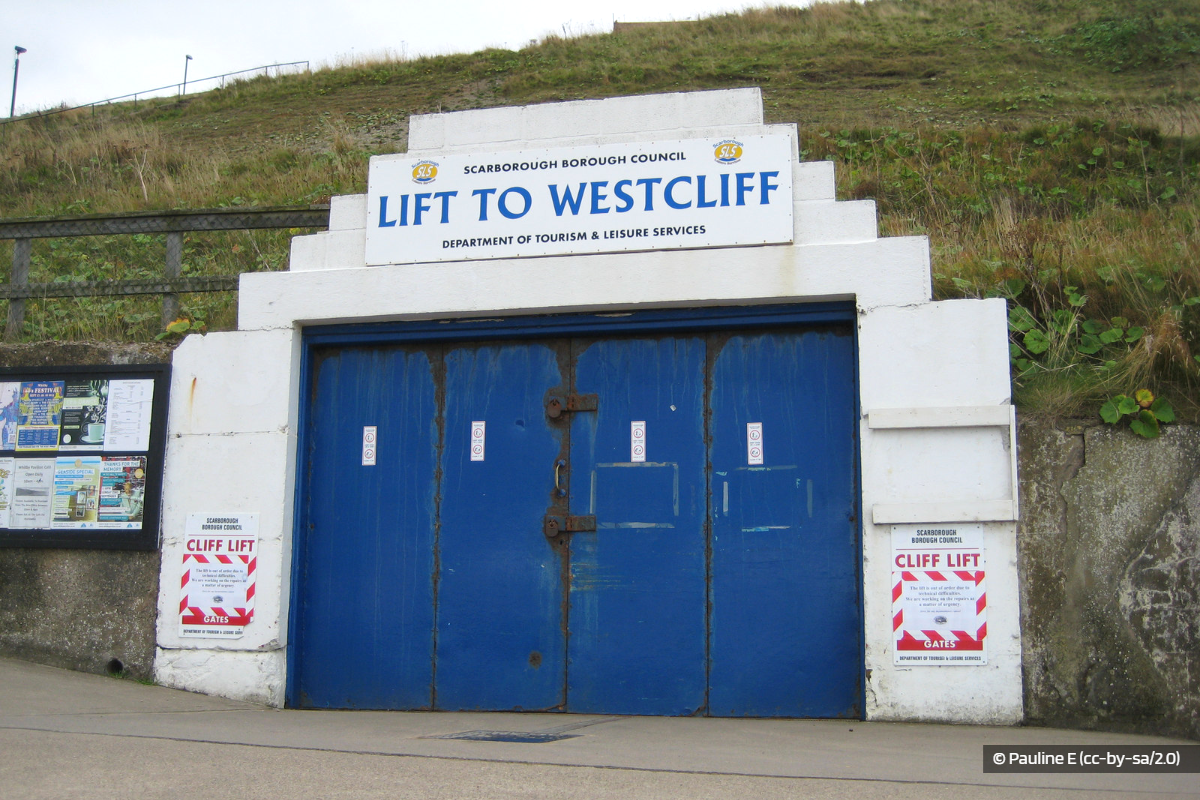 MP Joins Calls to Save Historic Whitby Cliff Lift
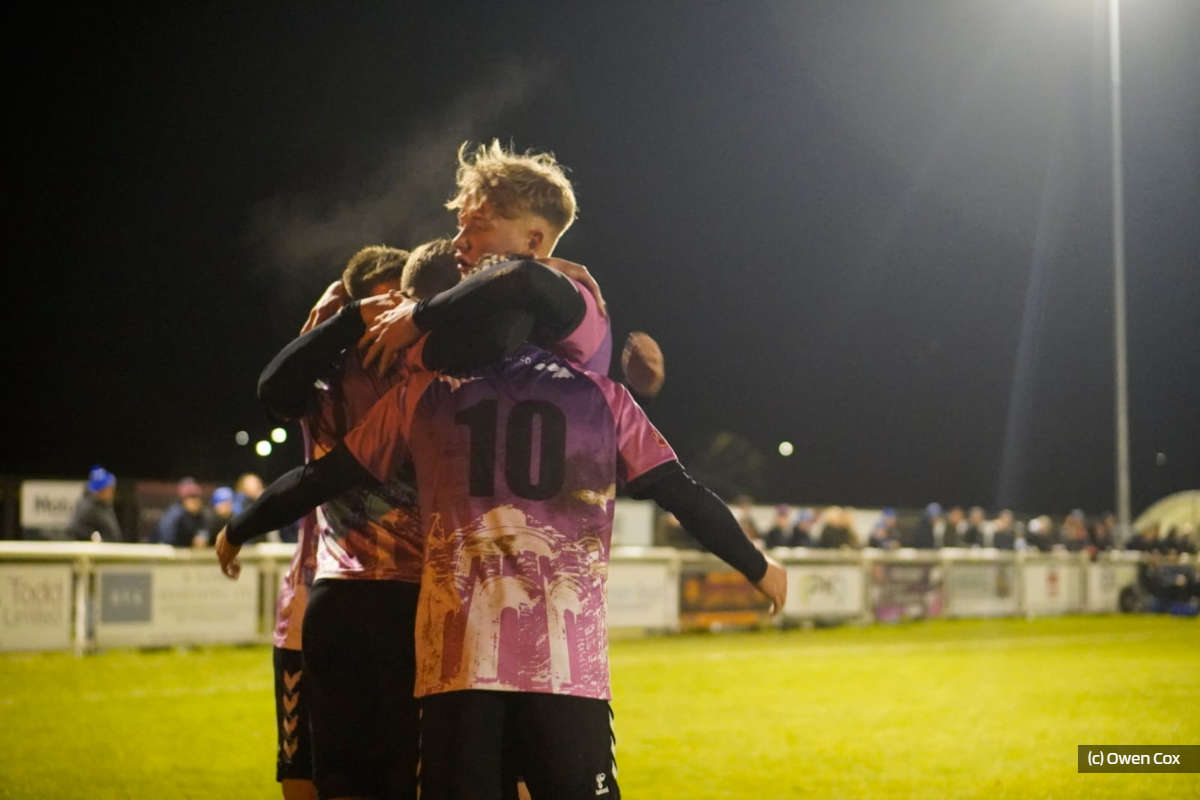 Whitby Town's New Management Duo Win First Match
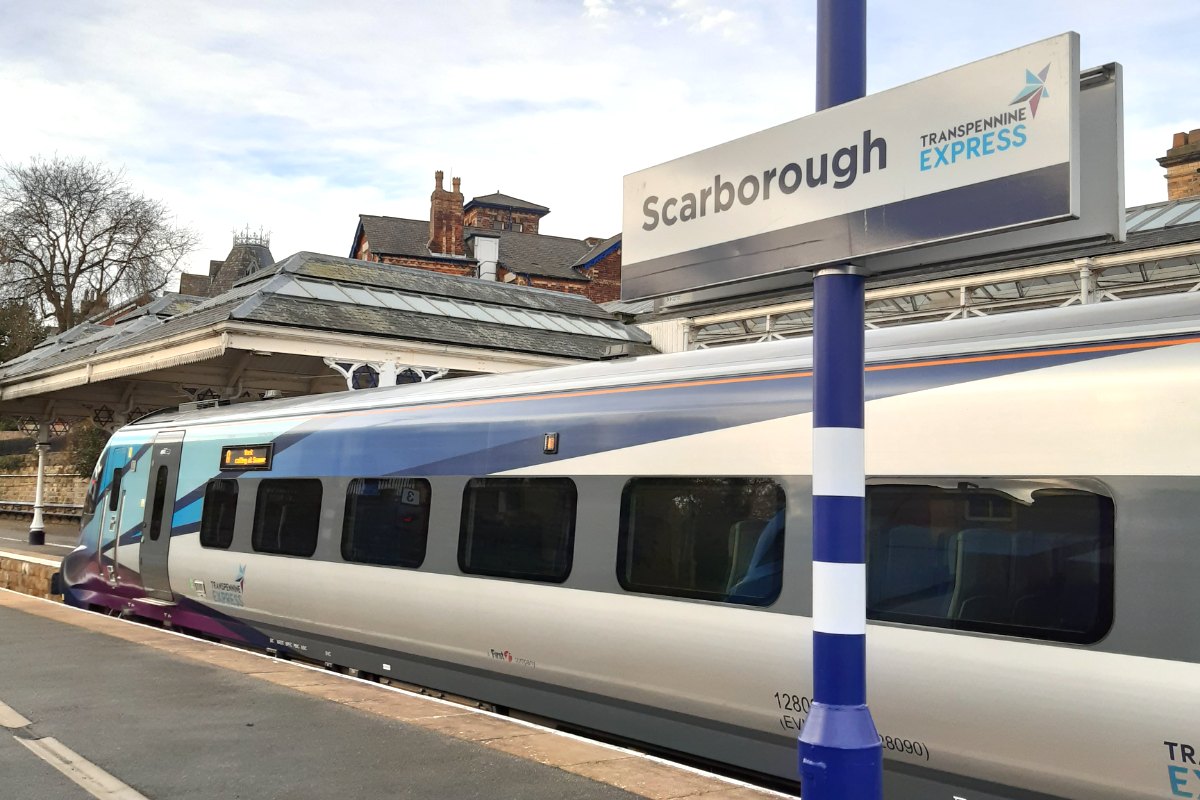 CCTV Upgrade proposed for Scarborough Railway Station
 Concerns Over Scarborough, Whitby and Filey Harbour Strategy
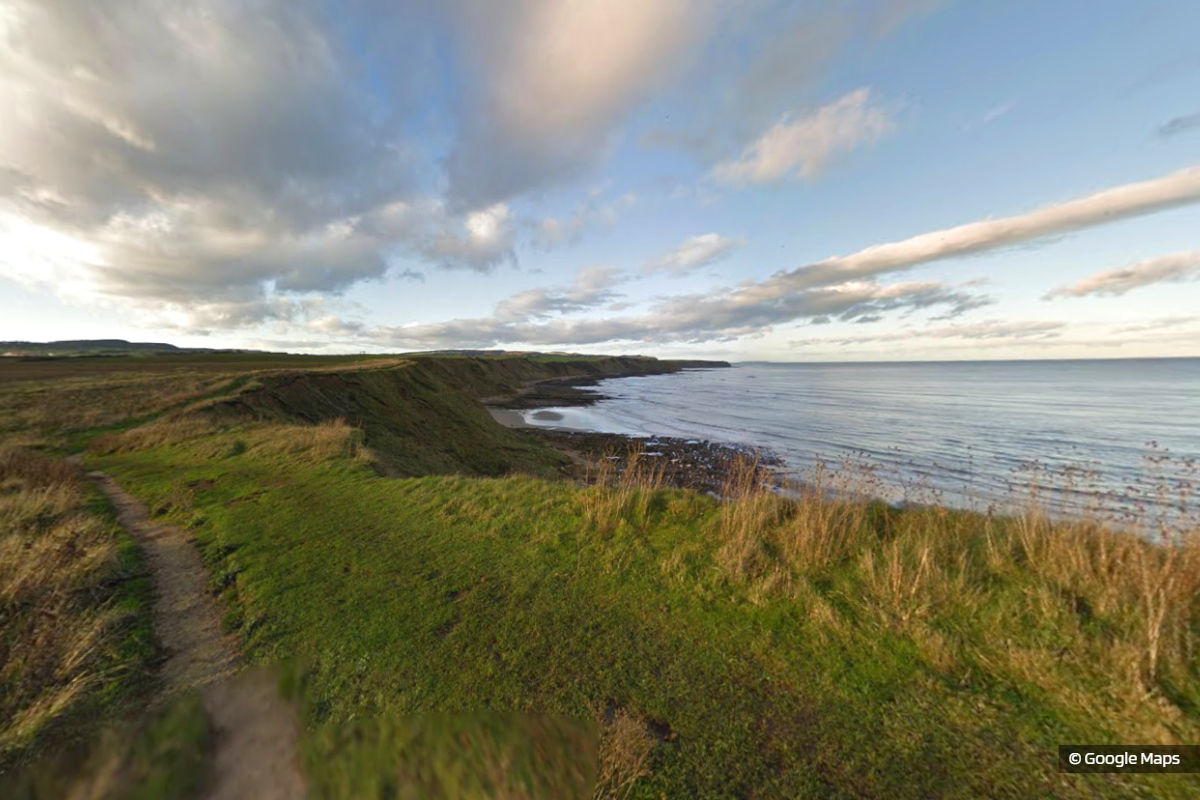 £100,000 Coastal Erosion Project Approved Near Scarborough Sea Life Centre
 Bridlington Town Book East Riding Senior Cup Final Spot
 National Park Outlines Fylingdales Moor Fire Recovery Work
 Whitby Town Council’s Plan to Take over Old Town Hall Progressing
 Woman Arrested Following Drug-Related Warrant in Driffield
 Scarborough Spa Hosts 2026 Yorkshire Hospitality, Tourism & Business Expo










Comments
Add a comment