


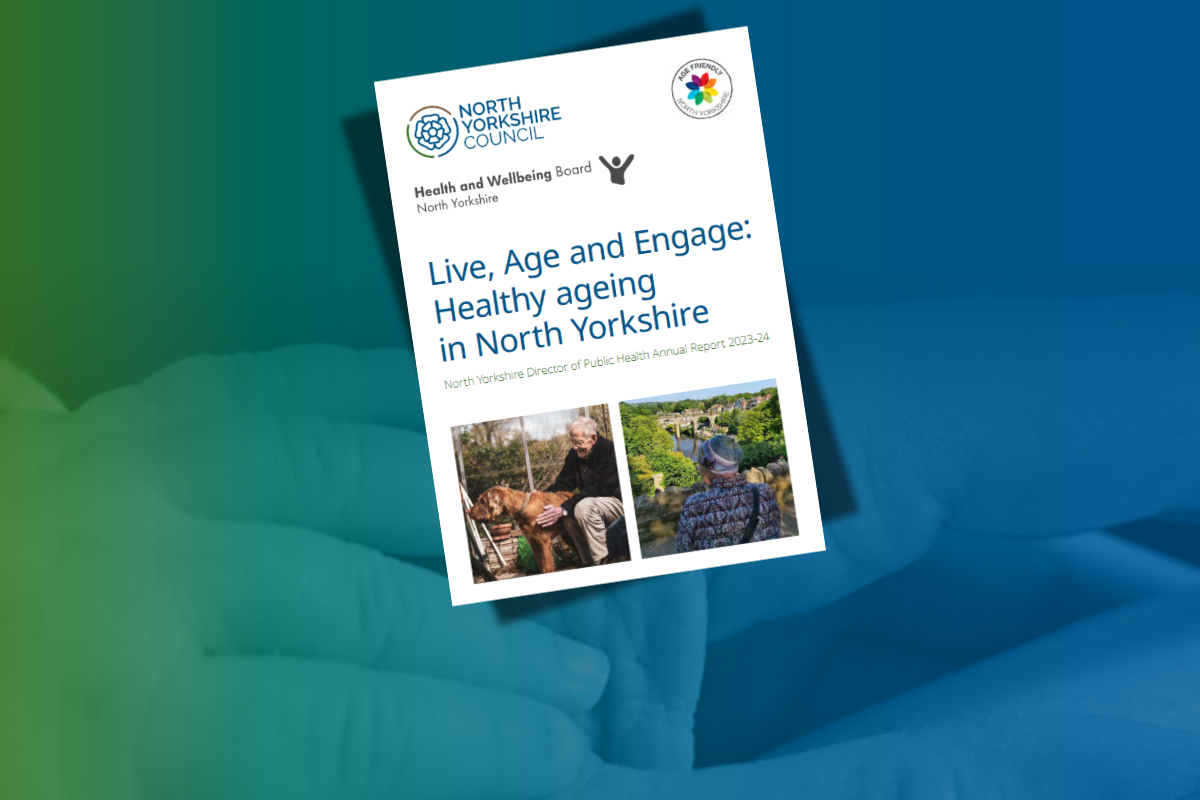
A new report has raised concerns about the health and wellbeing of older people in Scarborough and the Yorkshire Coast.
North Yorkshire’s director of public health has highlighted growing health inequalities facing people in coastal communities, especially older people aged over 65.
An annual report by Louise Wallace, the county’s director of public health, has focused on older age groups after last year’s report looked at the health of children and young people growing up in North Yorkshire.
Key challenges identified in the report include a rapidly ageing population and growing health inequalities.
There are around 7,200 older people aged 65+ living within the most deprived 20 per cent of neighbourhoods in England and these are “predominantly in the former Scarborough Borough area,” according to the research.
In his chief medical officer’s report last year, Professor Chris Whitty highlighted that while “Manchester, Birmingham and London will age very slowly, areas such as Scarborough, North Norfolk or the south coast are going to age rapidly and predictably.”
As a result of fewer births and younger adults moving away combined with older people retiring on the coast, there are 20 per cent more over-75s this year than in 2018, with another 45 per cent predicted by 2035 across Humber and North Yorkshire.
According to the NHS, North Yorkshire would need an extra 200,000 GP appointments each year to meet the expected demand in 2035.
It comes alongside growing health inequalities with a widening gap in life expectancy and in the healthy life expectancy between the wealthiest and poorest populations.
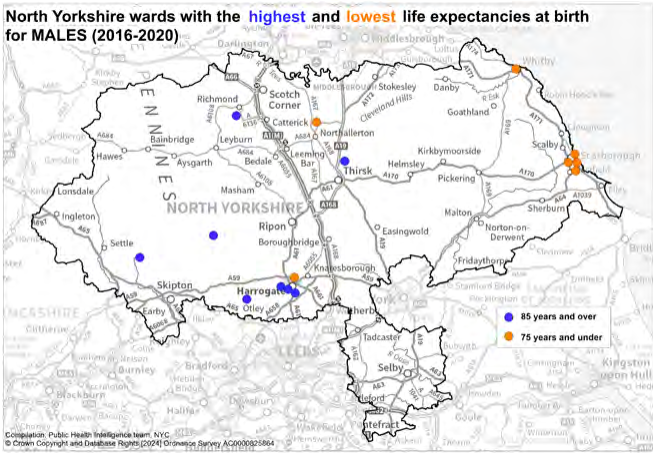
The report highlights that male life expectancy in Scarborough decreased by a year between 2015/17 and 2018/20 while it remained unchanged in Harrogate.
Meanwhile, with 9.4 per cent of over-65s in North Yorkshire living in poverty, it was noted that “six out of the ten highest North Yorkshire wards for older people living in poverty are in Scarborough”.
Housing issues were also addressed in the report, with Scarborough highlighted as being in the top 20 areas with the highest proportion of older renters and it has seen one of the biggest increases in the country, according to Independent Age, a non-profit organisation.
The report found that of the top 20, these areas were more likely to be deprived, and 12 were coastal.
Director of public health, Ms Wallace, said:
“This needs to be explored further to find out what is driving the increase and the impact it has on residents. Alongside this, people who are renting often face challenges around affordability as they spend more of their fixed income on rent and have concerns about security of tenure.”
The main recommendation of the report is that all agencies and services “consider the projected increase in older people and what this means for their services, in particular ensuring the infrastructure is in place to prepare for this”.

 Swatted Away: Scarborough Athletic Ground The Hornets With Professional 2-0 Away Win
 Millions In Additional Funding Secured For North Yorkshire Following Devolution Deal
 Whitby Area Mine Bids To Host Billion-Dollar Dark Matter Experiment
 Prevention-First Approach Support Thousands and Helps Reduce Crime Across North Yorkshire
 Primrose Valley Expansion Request
 Scarborough Care Home Community Raises Funds Following Colleague's Cancer Diagnosis
 Mini Recycling Centre Closure Concerns in North Yorkshire
 Whitby Town Win Again As Spike Effect Continues
 Scarborough Athletic's Home Ground Renamed Moneyweb Stadium in Five-Year Deal
 Proposed North Yorkshire Holiday Levy Must Target Short-Term Lets and Second Homes
 York and Scarborough Hospitals Face Significant Bed Shortages This Winter
 Whitby Public Toilets Could Return to Council Control Under New Plans











Comments
Add a comment