
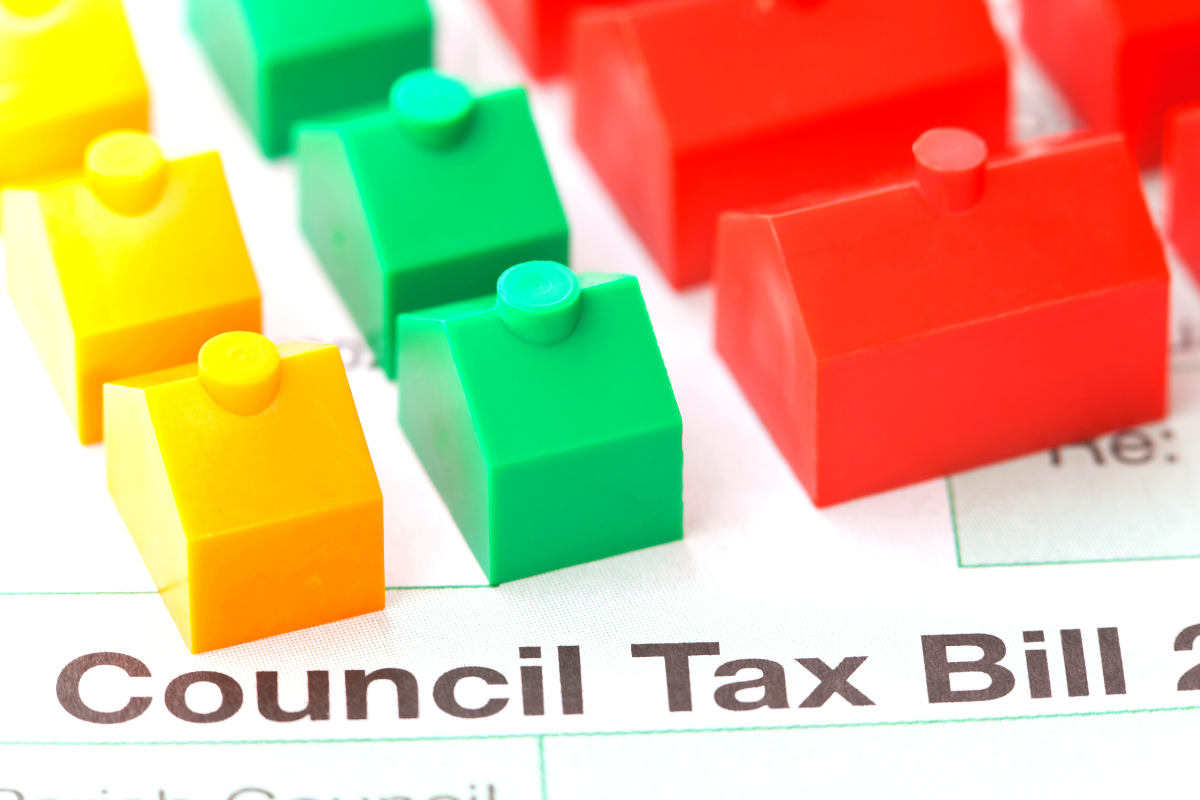
East Riding households could be set for a council tax hike of 4.99 per cent to cover a £40.7m increase services costs, this year’s draft budget has proposed.
East Riding Council’s draft budget for the upcoming financial year has forecast a 12.5 per cent hike in services costs as high inflation shows no sign of letting up.
Council Head of Finance Julian Neilson said in an introduction to the budget the authority was facing huge cost increases in the coming financial year.
It comes as the council is forecast to overspend on its budget for this financial year by £3.3m by the end of March.
The overspend comes despite £5m in savings in last year’s budget, 96 per cent of which have been achieved, and £7m taken from council reserves to keep up with inflation.
High inflation, rising energy costs and larger than expected staff pay settlements have pushed up council spending beyond the levels forecast a year ago.
The cabinet heard today (Tuesday, January 17) the main reason for not achieving 100 per cent of savings was energy price rises outstripping efficiency and savings measures on bills.
This year’s draft budget features proposals to try and save the council £39m in the coming years to ward off a growing financial black hole.
The draft budget stated that without the tax hikes there would be a £36m spending deficit by 2027 unless spending on services like roads, libraries and care is significantly slashed.
The 4.99 per cent figure includes the maximum 2.99 per cent hike allowed before triggering a referendum and the additional 2 per cent Adult Social Care precept councils can levy.
The figure does not include precepts for Humberside Police, Humberside Fire and Rescue Service and town and parish councils, levied on top of the East Riding tax.
The draft budget would see the monthly cost of council tax rise by £6.72 for Band D properties, or by £80.68-a-year if councillors approve it in February.
The cost to Band A properties would go up by £4.48-a-month,or £53.79-a-year, while Band B homes would see their council tax bill rise monthly by £5.23, and yearly £62.75.
Band C homes would pay £5.98 more a month, £71.72-a-year, and Band E homes would see monthly hikes of £8.22, £98.61-a-year.
The increase for Band F homes would be £9.71-a-month and £116.54-a-year, Band G’s would be £11.21-a-month and £134.47-a-year and Band H’s would be £13.45-a-month and £161.36-a-year.
A 5 per cent hike in rent for council house tenants is also proposed.
Mr Neilson said in his introduction to the draft proposals that they came as the financial outlook remained challenging as risks and uncertainty heightens.
The finance lead said:
“2022 was another exceptional year for the council where rising interest rates and inflation have dominated the financial picture.
“The Government has recognised some pressures by, once again, providing additional funding for social care.
“However, it has also been clear that that councils should rely on council tax increases and reserves to manage the huge cost increases which they face.
“Indeed, the council would be unable to balance its budget alongside a sustainable medium term financial plan without both council tax increases and and use of reserves.”

 Nine Minutes from Glory: Heartbreak for Boro as Macclesfield Snatch Late Replay
 East Riding Mum Ventures Change To System After Second Term Time Holiday Fine
 North Yorkshire Faces Major Challenge to Prepare Local Plan in 30 Months
 Pre-Halloween Spooktacular Will Raise Vital Funds For Scarborough Hospice
 Scarborough Foster Couple To Run New Support Hub For Vulnerable Children
 Record Numbers Of Young People Explore Future Careers At East Yorkshire Apprenticeship Expo
 Historic Sleights Pub Set To Reopen Under New Local Ownership
 Patients Could Opt Out of Care Over NHS Data Platform Fears, Councillors Warned
 New Noodle Takeaway Planned For Flagship Filey Holiday Park
 Scarborough Construction Skills Village To Reopen Following £2 Million Investment
 Classic Cars Set To Begin Epic 500-Mile Roman Road Journey From Robin Hood's Bay
 Proposed Tourist Tax Sparks Fear Among Yorkshire Coast Accommodation Providers









Comments
Add a comment