

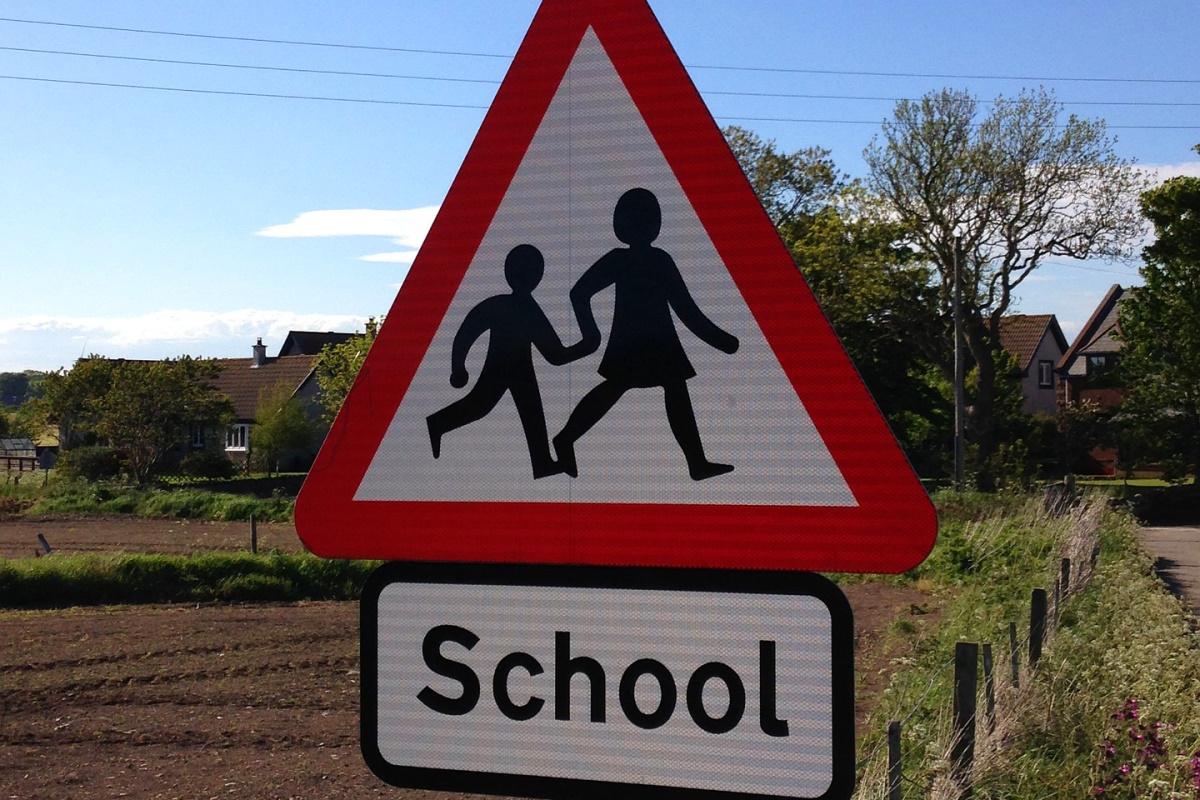
A proposal to reverse controversial changes to North Yorkshire's home-to-school transport policy has been rejected by councillors, meaning the nearest-school-only rule will remain in place pending a review.
North Yorkshire Council leaders have been accused of letting harm continue after they voted against debating a motion to reverse a controversial home-to-school transport policy.
A Liberal Democrat proposal to discuss the rule change, which provides free school transport to a child’s nearest school only, was rejected after Conservative councillors and a majority of Labour members refused to back it.
Councillors were greeted by campaigners waving placards calling for a return to a system based on catchment areas when they arrived for the full council meeting.
During the meeting, parents and local community leaders detailed the impact the policy change is having on families, schools, and communities.
Parent Victoria Rothwell explained the difficult situation her family faced when applying for secondary school places for her twin children.
Victoria Rothwell said:
"When we applied for secondary schools, we did exactly what parents were expected to do. We considered our options carefully and listed three schools.
Our catchment school, over 7 miles away, was our first choice. On national offer day, it was the only school able to offer places to both my children.
The council's designated nearest school had just one vacancy. Like more than 80% of families in our primary school, we accepted the secure catchment places that kept our twins together. We thought we'd done the responsible thing. Then this council refused them school transport.
We appealed. The panel's response that we should have rejected those secure places, accepted the single place at another school, and taken the risk, quite a high risk, of trying to secure a second place later.
As a parent, I simply couldn't gamble with my children's education or risk separating them. That isn't a choice my family should be expected to make.
The irony is that there isn't even a school bus to the council's preferred school. Had we followed that advice, the council would almost certainly have faced the cost of providing taxis. Instead, we're paying £1,692 a year from our own post tax income for the seats on the bus that already passes through our village."
Representatives from the School Transport Action Group also addressed the council, highlighting the specific challenges faced by rural communities.
Kate Helm from the School Transport Action Group said:
"The problem is the policy itself. Nearest school only doesn't fit the reality of rural North Yorkshire.
In many of our villages, there is no alternative transport. There is no bus, there is no train, they can't walk to school. Without a school bus, children cannot get to school and they can't get to the school they are guaranteed a place at unless their parents drive them.
This isn't just an inconvenience. Parents are telling us they are forced to reduce their hours, to leave their jobs or to change their children's schools because a lack of transport makes their catchment school impossible."
The motion to reverse the policy had been proposed by Councillor Felicity Cunliffe-Lister, who warned that delaying a decision would negatively affect hundreds of families.
Councillor Felicity Cunliffe-Lister said:
"After two years of trying, it's clear this policy isn't working. It isn't working for children. It isn't working for schools. It isn't working for rural communities, and increasingly, it isn't working for this council.
We all know this policy needs to change. It is now a question of when, because if we delay the decision, this will have consequences. Delay means another 340 families being forced to make an impossible choice between the certainty of a place at their catchment school and the certainty of being able to get their child there.
Delay means schools already suffering from falling pupil rolls facing another year of declining income, shrinking budgets, and increasing pressure on staffing and curriculum."
Following the meeting, Councillor Cunliffe-Lister expressed her disappointment at the outcome of the vote.
Councillor Felicity Cunliffe-Lister said:
"We all know this policy needs to change and we have a moral duty to do so. Leadership means recognising when a decision is no longer delivering what it promised and having the courage to change course. Doing nothing is still a decision, and today, the Conservatives have actively chosen to let the harm continue rather than listening to the evidence and bringing catchment back."
Fellow Liberal Democrat, Councillor Steve Mason, also criticised the decision not to debate the reversal.
Councillor Steve Mason said:
"The council had the opportunity to end this cruel policy, and yet again the Conservatives have reinforced more harm to families and communities. It is deeply disappointing that the majority of Labour did not support the vote today, failing to stand up for the rural communities that so desperately need this issue resolved."
During the debate, councillors were told that analysis by the School Transport Action Group concluded the policy change could actually cost the authority up to five million pounds a year, rather than make the three million pounds in savings predicted by officers.
However, Councillor Annabel Wilkinson, executive member for education, learning and skills on the Conservative-controlled authority, stated that this analysis was only one interpretation of the data. She noted that during the seven-year transition period, the data reflected both the current and previous policies.
She explained that a post-implementation review of the policy would be presented to councillors later this year, providing a comprehensive assessment of how the rule change was working.
Councillor Annabel Wilkinson said:
"It would not be appropriate for the council to make a further significant change to the home-to-school travel policy before considering the evidence of the post-implementation review that members specifically requested when agreeing the policy.
In order to have all the relevant data and information for analysis, this review was agreed for one full academic year after the implementation of the 2024 policy.
I believe the appropriate course of action is for the council to await the findings of the post-implementation review and then consider any future decisions on the basis of a full and robust evidence base."
She also highlighted the potential consequences of reversing the decision without a proper review.
Councillor Annabel Wilkinson said:
"Any decision to reverse the current policy would have wider financial equity and legal implications. The current financial strategy assumes delivery of savings associated with the policy and refers to the policy made therefore affect the council’s ability to deliver those savings and could require alternative funding to be identified elsewhere within the council’s budget. Ultimately, that may reduce the resources available to support other council priorities and services. In addition, any future policy change would need to be subject to consultation and proper decision-making processes."
The motion to reverse the policy change will now be referred back for consideration by the children and families overview and scrutiny committee.

 Scarborough's Alpamare Waterpark Expected to Be Sold to 'Protect Its Future' With Private Investment
 Bridlington Woman Arrested On Suspicion of Drink Driving
 Scarborough Extreme Brings Free Urban Sports To North Bay This Weekend
 Scarborough Athletic Begin FA Cup Campaign With Dunston Clash
 Classic Motorbikes Embark On Coast-To-Coast Challenge For Scarborough Hospice
 Pickering Man Jailed After Sex Assaults
 Bridlington Town Target Fourth Consecutive Victory In Silsden Clash
 Big Kick Off For Whitby Rugby Club
 Pickering Town Aim To Continue Winning Run
 Scarborough Hosts National Celebration Of Seaside Heritage And Coastal Culture
 Bus Passengers Promised Better Services As New Five-Year Plan Revealed
 Motorcyclist From Whitby Area Dies In Collision Near Fylingdales