

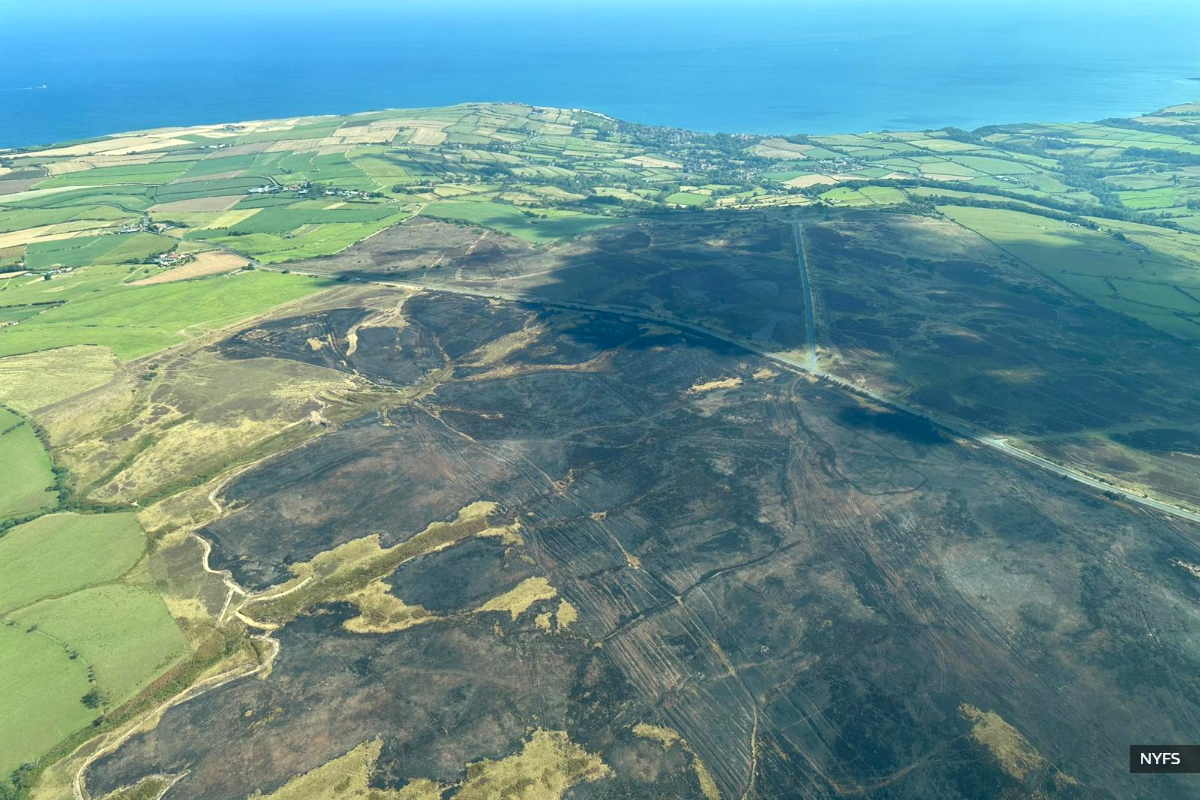
Six months have passed since the smoke cleared over Fylingdales Moor, and the landscape is beginning a quiet but determined recovery.
While the North York Moors National Park Authority (NYMNPA) warns that full restoration will be a "very long-term process," a flurry of practical activity is already visible across the blackened hillsides.
The NYMNPA is currently coordinating a weekly Environment Group, bringing together a wide range of partner organisations—including Natural England, Historic England, and the Duchy of Lancaster Estate—to guide the healing of the land. According to the Authority, these regular sessions allow experts to review conditions on the ground and ensure that every step taken is "carefully coordinated".
One of the most pressing tasks has been protecting the earth itself. Teams from the Yorkshire Peat Partnership and the National Park have been walking the site to identify areas where the risk of erosion is highest. At John Cross Rigg, a site of national archaeological importance, emergency measures are already in place. Workers have laid biodegradable coir matting to hold the soil together, with plans to reseed the area to help the land find its feet again.
Interestingly, the fire has acted as an "accidental archaeologist." The flames cleared away dense vegetation to reveal previously unrecorded historic features. These are now being documented by experts so they can be protected as the recovery continues.
The recovery work also extends into the treelines of the North York Moors. Forestry England is currently working in Sneaton Forest to reinstate firebreaks that were essential during the emergency response. The organisation is prioritising work that protects waterways and maintains soil quality, aiming to make the forest "more resilient for the future".
For the local community, the return of livestock is a vital milestone. Grazing is described by the NYMNPA as an "important part of Fylingdale Moors character," and preparations for the return of stock are well advanced. Key developments include:
- The replacement of moorland boundary fencing, funded by DEFRA’s Farming in Protected Landscapes programme, which is expected to be finished by the end of March.
- A potential three-year trial of livestock tracking technology to monitor grazing patterns over the burned areas, helping managers protect sensitive sites as vegetation recovers.
While the physical recovery of the peatland and its vital sphagnum moss may take decades, the spirit of cooperation remains a source of hope. The National Park Authority expressed its gratitude to the "landowners, graziers, professional advisers, agency colleagues and community representatives" who are helping shape a recovery that respects both the land and the people who care for it.
The journey is far from over, and the NYMNPA stresses that this is a "significant undertaking" that will require sustained commitment and funding in the years to come. However, half a year on, the first green shoots of progress are starting to show.
There is more information at https://www.northyorkmoors.org.uk/blog/fylingdales-moor-wildfire-six-months-on-landscape-recovery-updates

 East Riding Bin Lorries Become Mobile Defibrillators
 MP Joins Calls to Save Historic Whitby Cliff Lift
 CCTV Upgrade proposed for Scarborough Railway Station
 Concerns Over Scarborough, Whitby and Filey Harbour Strategy
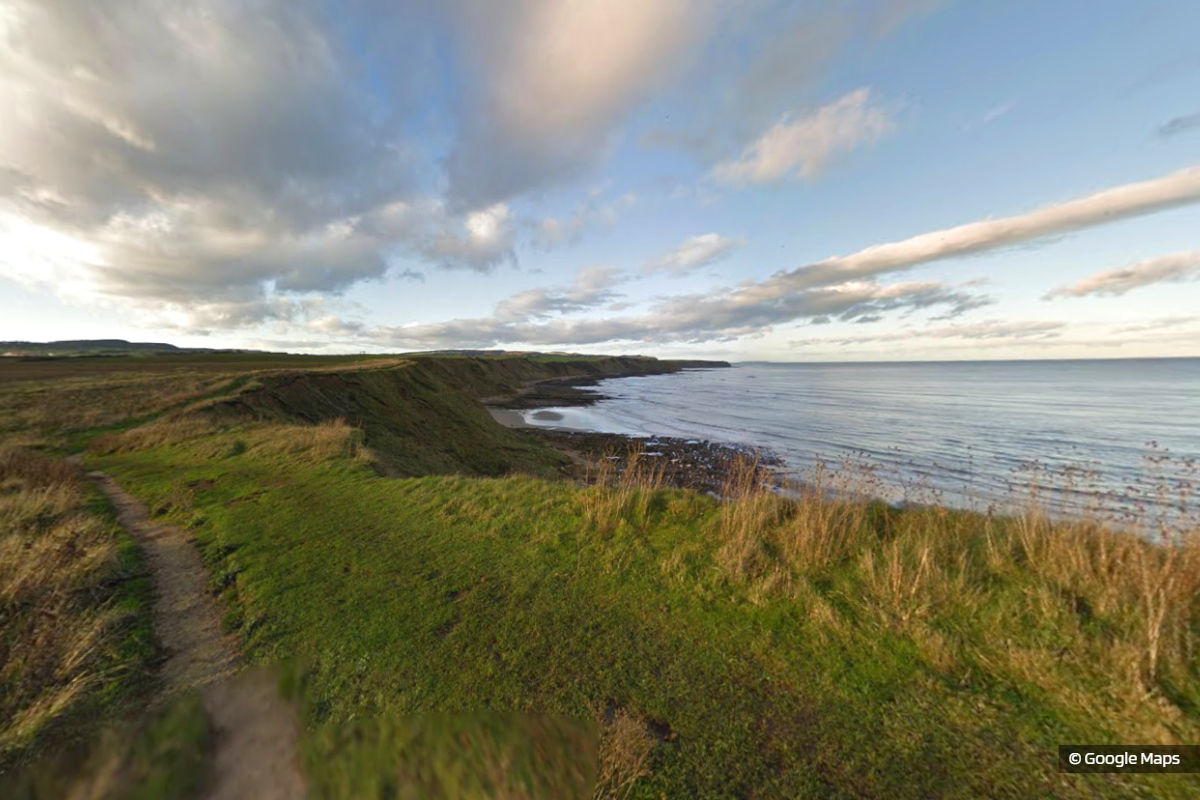 £100,000 Coastal Erosion Project Approved Near Scarborough Sea Life Centre
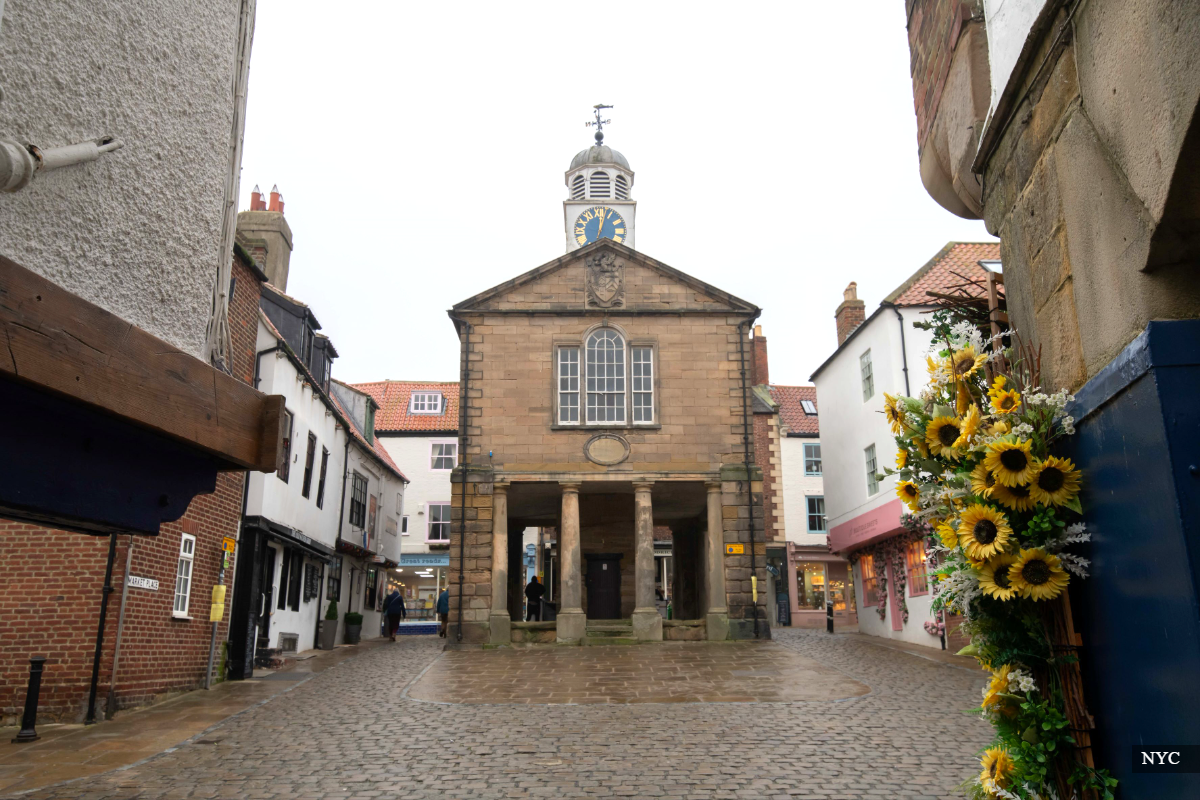 Whitby Town Council’s Plan to Take over Old Town Hall Progressing
 Woman Arrested Following Drug-Related Warrant in Driffield
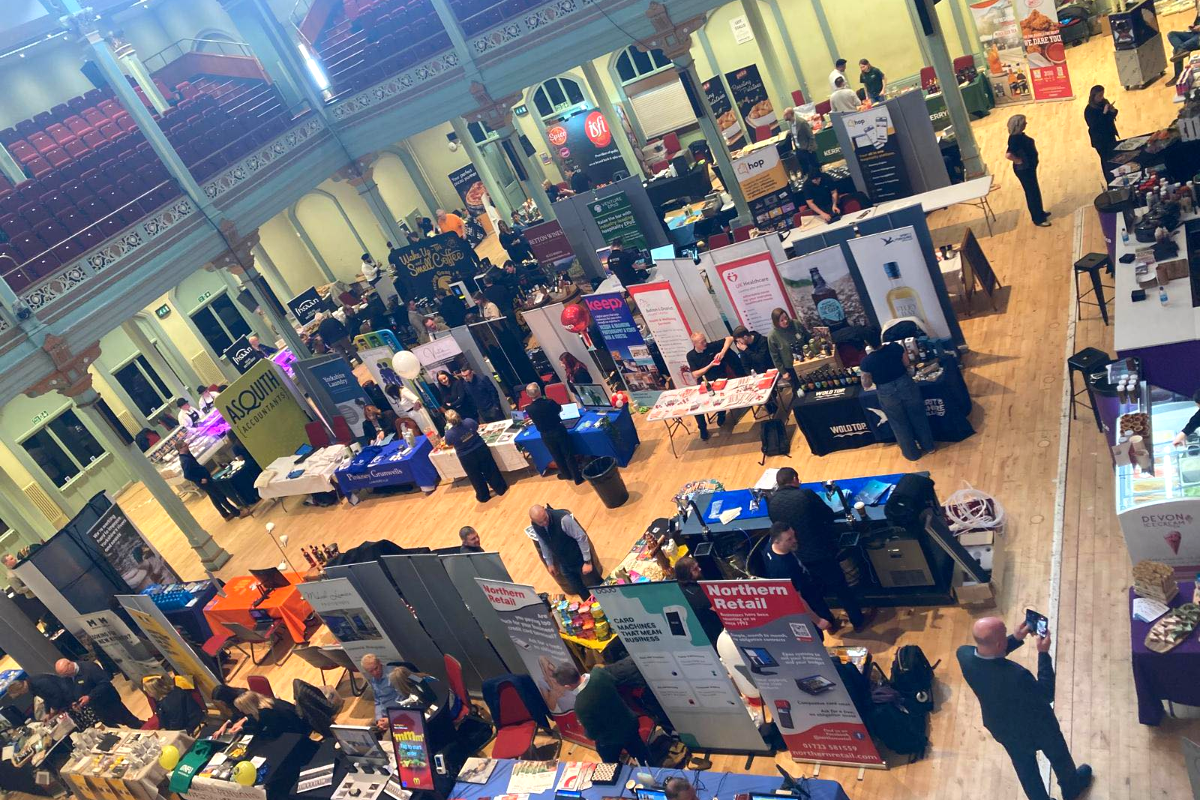 Scarborough Spa Hosts 2026 Yorkshire Hospitality, Tourism & Business Expo
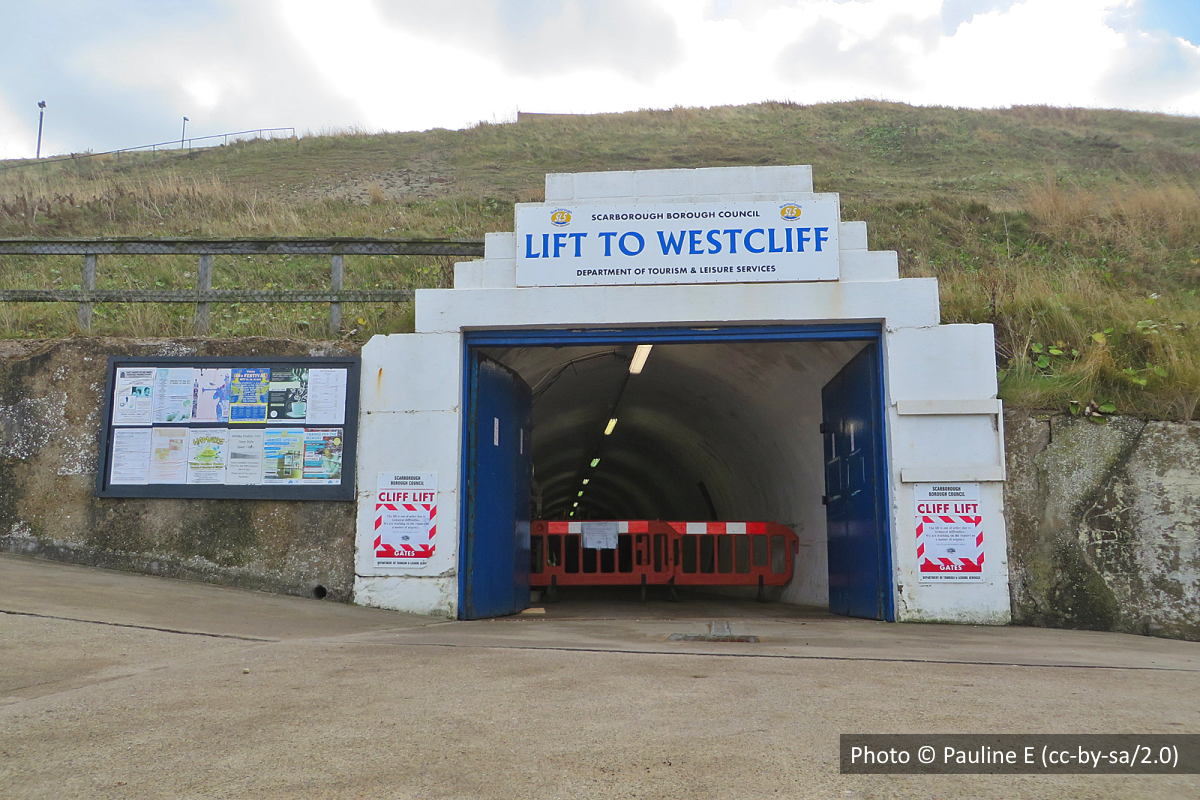 Councillors Back Calls to Save Whitby’s ‘Vital’ Cliff Lift
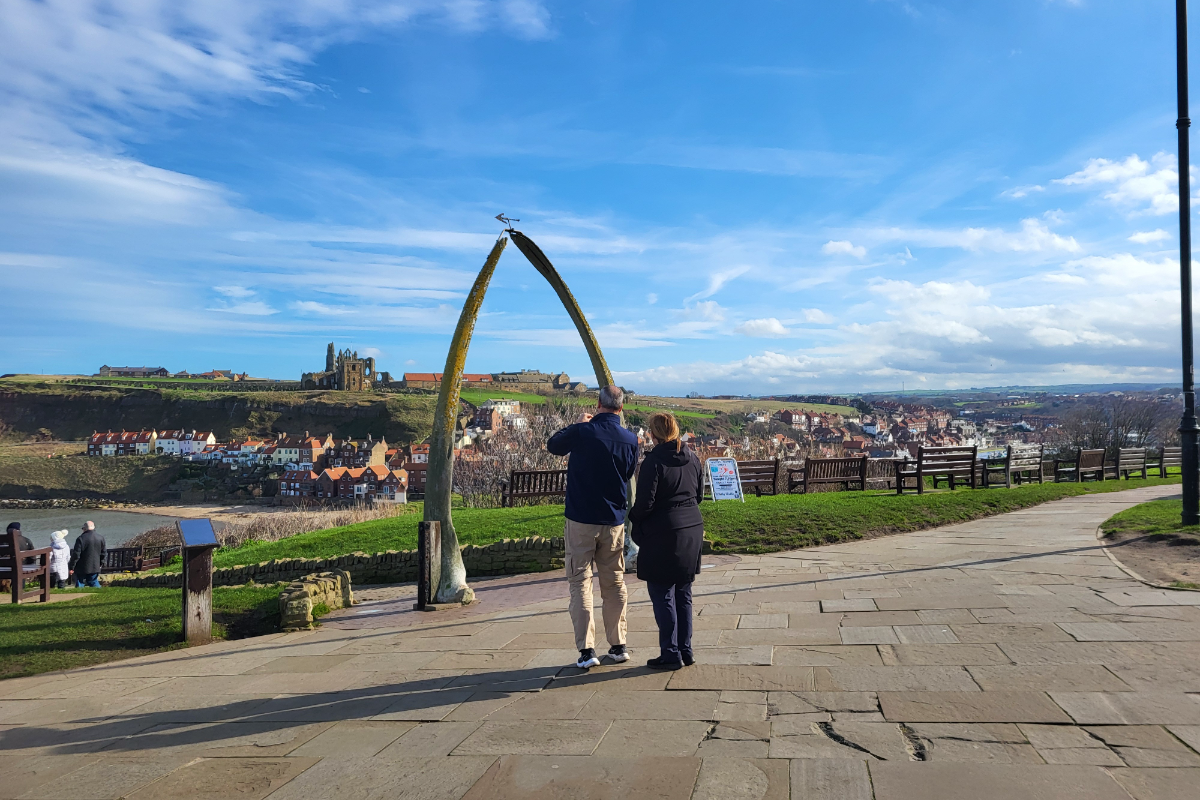 Whitby’s Whale Bone Arch Replacement Could Cost £60,000
 Scarborough Athletic Back Under The Mounting Systems Stadium Lights
 Whitby Town Make First Cleethorpes Trip As Basement Battle Continues










Comments
Add a comment