

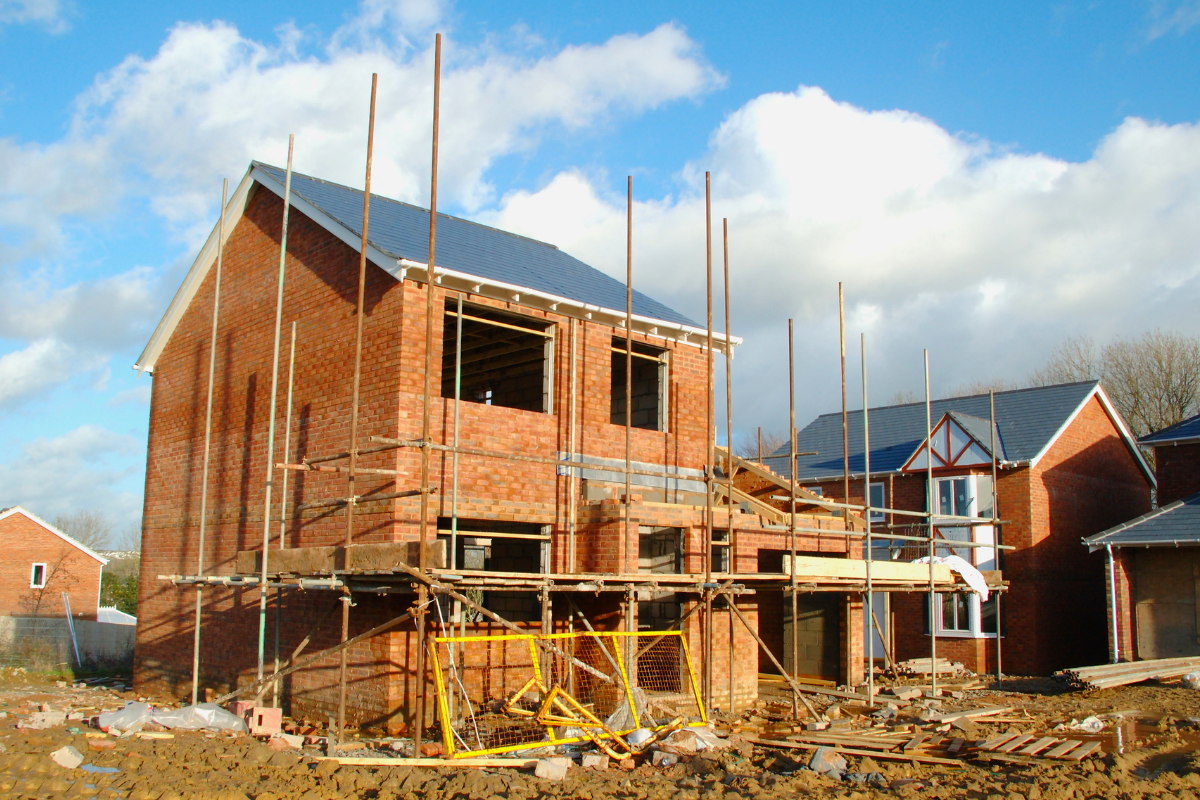
A major new construction strategy aiming to deliver tens of thousands of properties, including a significant proportion of affordable homes, has been officially adopted to address the region's growing property crisis.
Regional leaders have officially green-lit a massive development blueprint designed to tackle the severe property shortage across York and North Yorkshire.
During a meeting in York on the first of May, the York and North Yorkshire Combined Authority formally embraced its new Housing Growth Strategy. The ambitious ten-year roadmap aims to construct a vast number of new residences by the year 2035, offering a much-needed lifeline to residents struggling with soaring living costs.
A cornerstone of the initiative is a strict guarantee to deliver a substantial volume of genuinely affordable properties, ensuring that local workers are not priced out of their own communities.
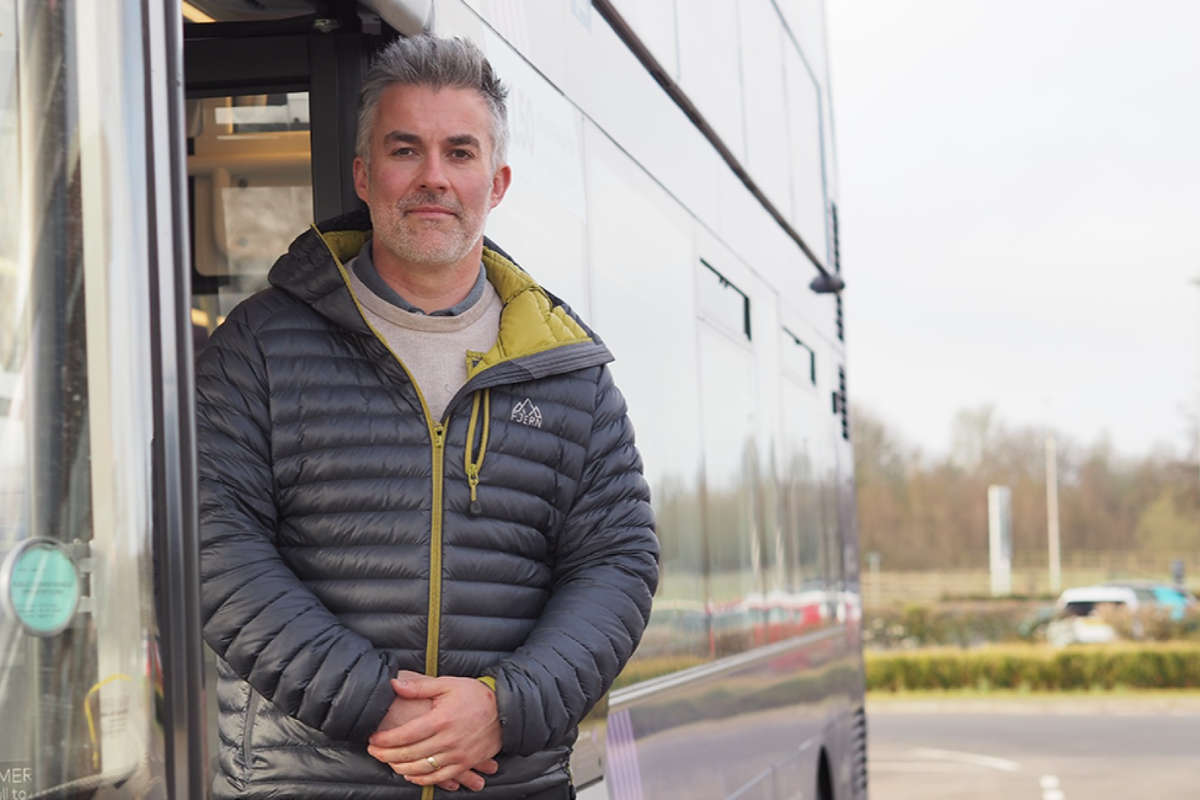
Andrew Leeming is the Head of Strategy, Policy and Planning at the York and North Yorkshire Combined Authority.
He said:
"It sets the ambition of 60,000 new homes in the next 10 years of which at least 25,000 will be affordable.
I think critically is ensuring that we get the right homes in the right places and that is through a strong planning system. We want to work very closely with the local planning process as it goes through both North Yorkshire and York and the two national parks.
We need to be looking at how we can attract more funding in either through Homes England the government and private investment and how we can actually start to look at some innovative ways to develop that further, but also critically a challenge around the capacity of the sector to deliver that level of homes."
The comprehensive framework was crafted following extensive discussions with key stakeholders, including North Yorkshire Council, City of York Council, Homes England, and the York and North Yorkshire Housing Partnership.
Industry experts have warmly received the proposals. Nick Atkin, who chairs the housing partnership, highlighted that property prices in certain parts of the region are among the most restrictive in the North of England. He warned that a historical lack of construction in countryside areas has made it increasingly difficult for younger generations to remain in the villages where they grew up.
Mayor of York and North Yorkshire, David Skaith, acknowledged the unique geographical hurdles involved in delivering the project.
He said:
"The strategy sets out the ambition to build the right homes in the right places and for the people's needs as well and fundamentally 60,000 homes at least 25,000 of the of the affordable and social over the next 10 years as well and York and North Yorkshire we know is an incredibly challenging area to build homes out, urban areas like York are very tightly confined our rural areas require significantly more investment not just for the actual house but for the infrastructure that goes with it as well.
Aand also in a region that's half the land is protected by protected landscapes as well. These add additional challenges but all that means the residents where they live now or move here in the future will have access to the most pristine countryside in the world and also the opportunity to to live in this region."
Prominent regional housing associations have also thrown their weight behind the initiative. Rosemary Du Rose, chief executive of Beyond Housing, stressed that even individuals in full-time employment are finding it nearly impossible to secure market-rate rentals or purchase their own properties. She advocated for diverse ownership models, including shared ownership and rent-to-buy schemes.
Similarly, Claire Townson, the head of Broadacres Housing Association, pointed out the importance of building highly energy-efficient homes in market towns to prevent an exodus of local talent.
The latest strategy builds upon the foundations of the Strategic Place Partnership, an agreement struck last September to accelerate construction across coastal, rural, and urban zones. A key objective of that partnership is to ensure all new builds contribute to the region's broader goal of becoming carbon negative by 2040.
Councillor Pete Kilbane highlighted the wider economic and environmental advantages of the building scheme.
He said:
"It will be targeting deprived areas it will be targeting the areas where affordability is a problem across York and North Yorkshire. It's incredibly acute in some areas and places and it will be targeting them.
The environmental benefits that that this program will bring is not just in terms of cutting emissions, it's actually making people's bills cheaper. So making the houses more affordable to live in once they are built and most importantly for me it's the community wealth building aspect. It's about using those local people those local pipelines those local suppliers so the value that we create while working through the whole building program that wealth is held in our region and not extracted to multinationals based in the Cayman Islands."

 Record Multimillion-Pound Investment Promises To Fix North Yorkshire's Roads And Potholes
 North Yorkshire Police Emergency Call Waiting Times Remain Low Despite Surge In Demand
 Row Over £20,000 'Incorrect' Public Toilet Charges in Whitby
 'Strong Fish Smells' Spark Objections To Seafood Business Application
 Maternity And Neonatal Services Face £736,000 Funding Gap To Meet New Safety Standards
 Concerns Raised Over Tourist Tax Powers In North York Moors National Park
 Educational Outcomes For Coastal Children To Receive Major Boost Under New Pilot Scheme
 Special Train Journey Evokes Precious Memories For Dementia Patients On The Yorkshire Coast
 Free Flu Vaccines Will Be Available At Drop-In Clinics Along The Yorkshire Coast
 Extracurricular Opportunities Set To Expand For Pupils In Scarborough And Whitby
 Time-Travelling Children Uncover Scarborough's Geological Past
 Solar Panels Confirmed For Whitby And Eastfield Public Buildings To Cut Energy Bills