
Over 180 juvenile white-clawed crayfish have been successfully released into a North Yorkshire beck after being raised at the county's first dedicated hatchery.
The first young native white-clawed crayfish to be raised in Yorkshire’s first crayfish hatchery have been released into the wild, marking a turning point for rare and endangered populations clinging on across the county.
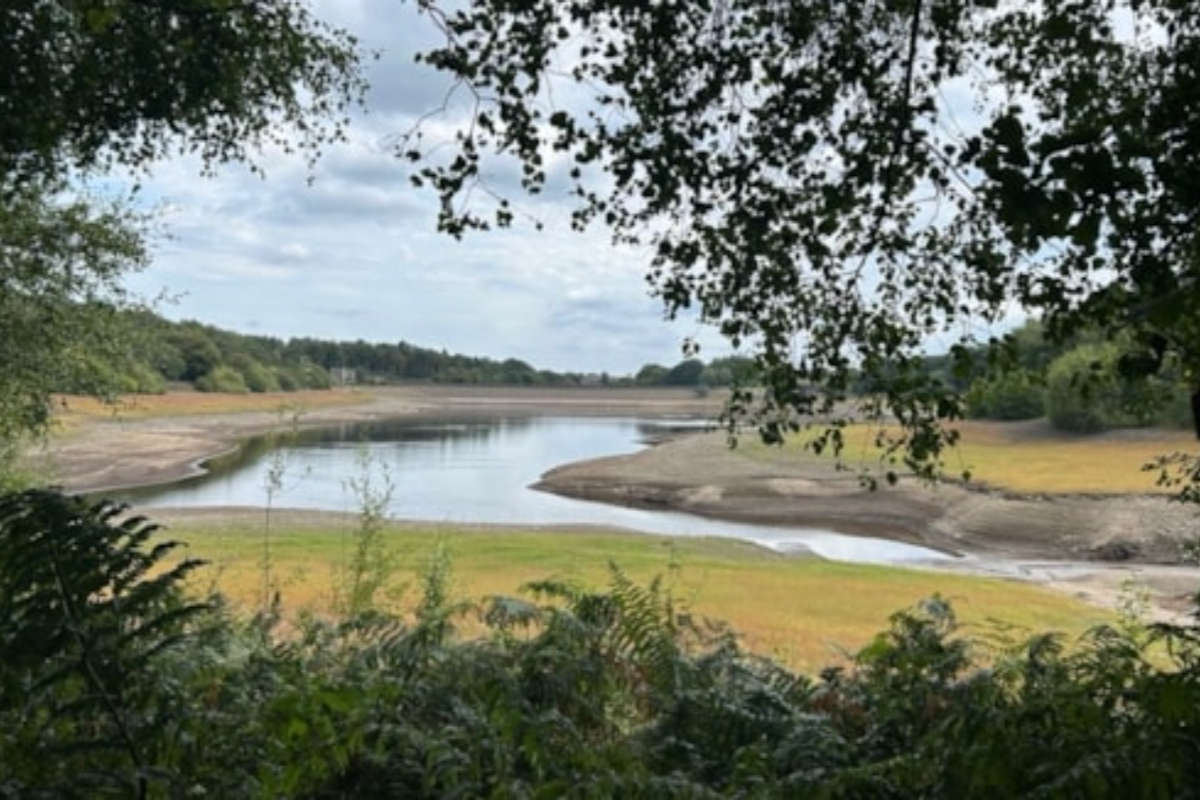
A total of 182 juvenile crayfish have been returned to Haverdale Beck in North Yorkshire, the same location where their pregnant mothers were carefully collected during the summer of 2025.
The white-clawed crayfish is the only native crayfish species in the United Kingdom. It has long been at risk from competition and disease brought into the country by invasive signal crayfish.
According to the Yorkshire Wildlife Trust, increased pressure from the invasive species and deteriorating habitats has meant that just five per cent of young crayfish in local waterways survive to adulthood, causing populations in Yorkshire to rapidly disappear.
Lucy Atkinson, Crayfish Project Officer at the Yorkshire Wildlife Trust, explained the ecological significance of the native species:
"White-clawed crayfish are incredibly important for river ecosystems, acting as ‘ecosystem engineers’ and aiding in the breakdown of biological matter like leaf litter, feeding on algae, and provide an important food source for animals such as otter, fish, insect larvae, newts, and water voles.
Because signal crayfish are larger, more aggressive and produce more young, they are easily able to outcompete our native crayfish. They put a lot of pressure on the river ecosystem because there are so many of them, and they can even cause riverbank destabilisation and collapse if their populations get too big. Add that to the plague they carry, which our native crayfish have no defence against, and they are in danger of easily wiping out our native crayfish populations across the UK."
In 2024, the Yorkshire Wildlife Trust, which set up and leads the Yorkshire Crayfish Forum, partnered with Flamingo Land to open a dedicated crayfish hatchery on their site near the North York Moors.
The primary goal of the hatchery was to take wild, pregnant female crayfish and raise their young until they were more resilient to threats in the wild. The animals could then be returned to monitored, restored, and plague-free sites where populations could slowly rebuild.
Kieran Holliday, Head of Conservation and Education at Flamingo Land, spoke about the achievement.
Kieran Holliday said:
"This is a huge milestone for the project and a really positive step for Yorkshire’s native crayfish. Joining the Yorkshire Crayfish Forum and creating this hatchery has had an enormous impact for us here at Flamingo Land and has really secured our first steps into being a conservation powerhouse.
These recent steps forward for the hatchery have really started to make this project feel real to the team. The keepers have done an exceptional job of caring for the adults and the juveniles, and to see them being released shows what can be achieved through partnership working and careful management. By giving them a head start in the hatchery, we’re improving their chances of survival and helping to rebuild populations that are under real pressure in the wild. This is just the start, and we can’t wait to continue this amazing work in the years to come."
The Yorkshire Crayfish Forum works across the county on various projects aimed at restoring native populations. This ranges from creating 'Ark' sites in the Yorkshire Dales that are inaccessible to signal crayfish, to catchment projects on the Esk, Rye, and Derwent rivers.
Members of the forum include Yorkshire Water, the Environment Agency, the North York Moors National Park Authority, the Yorkshire Dales National Park Authority, and the University of Leeds.
Experts say the public also has a role to play in protecting the species from further decline.
Lucy Atkinson added:
"It isn’t just down to conservation organisations and the hatchery to look after our native white-clawed crayfish – there’s a very easy action everyone can take to help, and that’s following the mantra ‘Clean, Check, Dry.’ If you or your belongings go in or near freshwater there is a risk you may spread crayfish plague – so please make sure you clean and dry your boots and belongings before you visit another water body."
The newly-released crayfish at Haverdale Beck will now be carefully monitored to see how they fare in their natural habitat.
The conservation project will turn its attention to collecting more pregnant females from other native populations across the county, with the hope of nurturing their young into adulthood and helping wild populations recover from the brink.

 Nine Minutes from Glory: Heartbreak for Boro as Macclesfield Snatch Late Replay
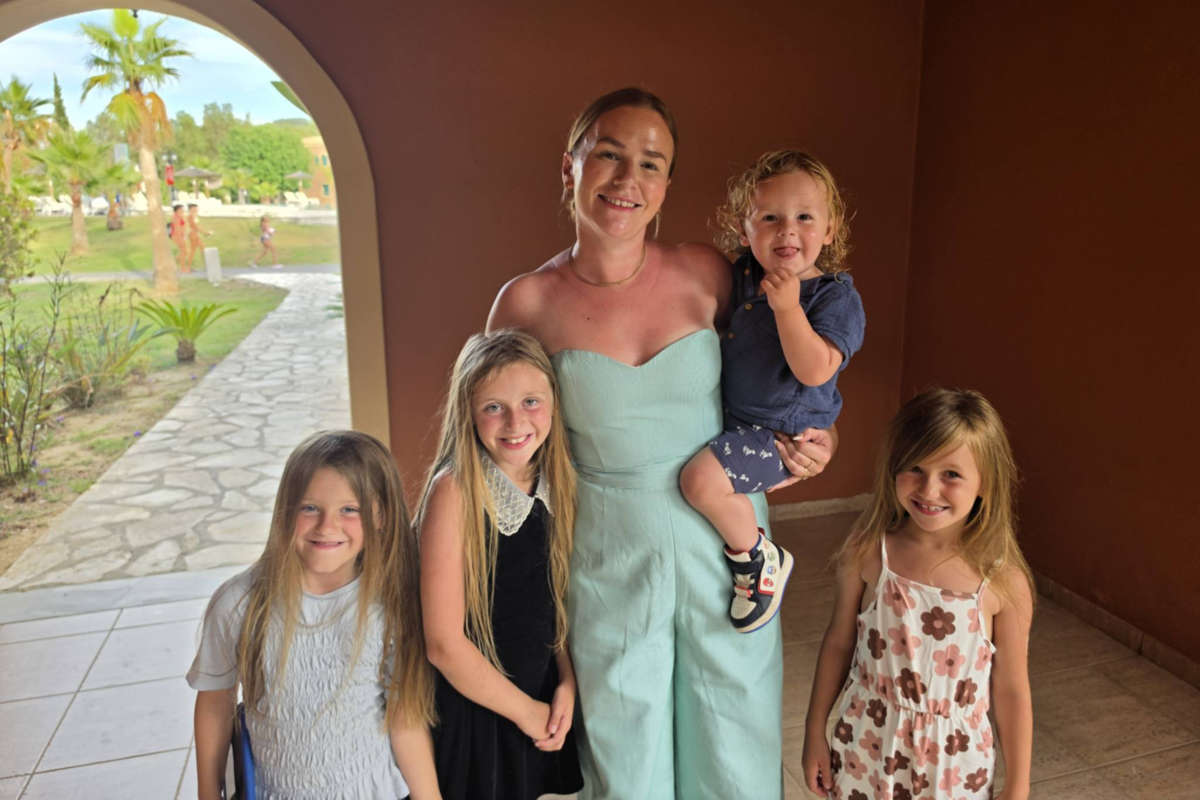 East Riding Mum Ventures Change To System After Second Term Time Holiday Fine
 North Yorkshire Faces Major Challenge to Prepare Local Plan in 30 Months
 Pre-Halloween Spooktacular Will Raise Vital Funds For Scarborough Hospice
 Did You See East Riding Bridge Colission?
 Scarborough Foster Couple To Run New Support Hub For Vulnerable Children
 Bridlington Town Back To Winning Ways
 Yorkshire Coast Rugby Round Up
 Pickering Town Back Into Top Ten With Victory
 Record Numbers Of Young People Explore Future Careers At East Yorkshire Apprenticeship Expo
 Historic Sleights Pub Set To Reopen Under New Local Ownership
 Patients Could Opt Out of Care Over NHS Data Platform Fears, Councillors Warned