

Vladimir Putin's "hidden hand" is likely helping Iran respond to Donald Trump's war, the UK defence secretary has said, as it emerged that Iranian-linked drones hit a base in Iraq where some British troops are located.
They were not hurt.
John Healey said attacks by Iranian forces against targets across the Middle East "have the hallmarks" of how Russian troops operate in their war against Ukraine.
This included a change in how Iran uses its drones.
Tehran sold thousands of "Shahed" one-way attack drones to Russia in the early months of President Putin's full-scale invasion of Ukraine.
The Russians, with Iranian help, then developed their own version of the unmanned aerial vehicle and now the lessons they have learnt from fighting in Ukraine appear to be helping the Iranians in their response to waves of US and Israeli strikes against Iran.
"No one will be surprised to believe that Putin's hidden hand is behind some of the Iranian tactics, potentially some of their capabilities as well," Mr Healey said, speaking to reporters during a trip to the UK's Permanent Joint Headquarters (PJHQ) at Northwood, the main base overseeing military operations overseas.
The defence secretary said this likely Russia link was "not least because the one world leader benefitting from the sky high oil prices at the moment is Putin".
He was referring to a spike in the price of oil after Iran used its chokehold over the Strait of Hormuz off its coastline to block one of the world's most vital shipping lanes.
The defence secretary said the Russian president "is clearly likely to welcome this war more than anyone else."
Lieutenant General Nick Perry, the chief of joint operations who oversees all UK military operations around the world, said there was "definitively" a link between Russia and Iran, which have a long-standing military relationship.
"We have definitely seen the Iranian tactics of the use of their drones learnt from Russians - flying them much lower so they are more effective," Lieutenant General Perry said, speaking to Mr Healey as they looked at a map of the Gulf in a room at the military headquarters.
"There is no doubt [the Iranian] tactics have changed," Lieutenant General Perry said.
He said drones were causing the most damage by the Iranian side across the region.
Read more:
What we know about the deadly Iran school strike
IEA announcement not enough to bring down oil price
This included an Iranian-linked drone - potentially fired from Lebanon or Iraq - that struck a Royal Air Force base in Cyprus on the second day of the war, landing near a hanger.
Mr Healey said the components of that device are being investigated to find out if they included Russian parts.
"We will update you on the findings from that," he said.
A second military commander said that British forces had shot down two drones fired towards a military base in Erbil, northern Iraq, overnight.
"A number did impact the camp," the officer told Mr Healey.
He said there had not been any British casualties.
However, the defence secretary said there had been reports of a number of US casualties, though none had been seriously injured.

(c) Sky News 2026: Putin's 'hidden hand' likely helping Iran against Trump, UK defence secretary says

 Midget subs and kamikaze drone boats - how Iran can block the Strait of Hormuz
 Iran is still standing and doubling down on non-military pressure
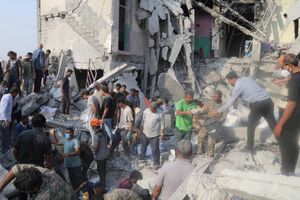 What we know about the deadly Iran school strike
 Kim Jong Un and teenage daughter fire guns as North Korea debuts new weapon
 Sudan shows how the nature of war is changing - and it's a death trap for civilians
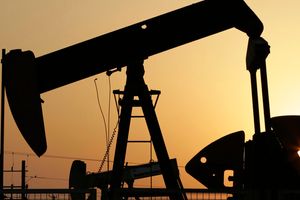 Biggest ever release of oil reserves to ease war supply disruption
 Noma chef steps down over workplace bullying and abuse allegations
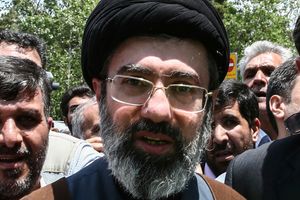 Iran's new supreme leader Mojtaba Khamenei injured in strikes which killed his father
 How the Iran conflict is becoming a global crisis