

It's our second day inside Iran - a country at war, and its capital Tehran is tense and subdued. Many have fled, those left behind carry on as best they can.
There is the regular sound of outgoing anti-aircraft fire and the thuds of incoming missiles. Police stations and checkpoints are regularly being targeted, we are being told.
But only two weeks in, people barely seem to register the sounds of war nearby.
Latest updates: Trump threatens NATO
In the market, people were shopping ahead of Nowruz, the Persian New Year, at the end of the week. Shoppers shared their fears and concerns, most unwilling to do so on camera.
It is not just the war of course, this comes after weeks of protests and the crackdown that followed.
Some expressed hope there will be some kind of change after the conflict but most had more pressing worries: last night's bombardment that came too close and the fact no one knows how this will end.
After a 48-hour marathon journey overland via the snowy passes of Armenia's border with Iran, we entered Tehran.
Most striking were the faces of Iran's Supreme Leader Mojtaba Khamenei and his assassinated father, ubiquitous, on huge banners lining the highways. Authorities are trying to project continuity.
The government seems firmly in control but the new leader has not been seen in public. Iran's deputy foreign minister Dr Saeed Khatibzadeh insisted he is very much alive and 'in charge' as we interviewed him.
His message was angry and defiant. The war, he insisted, has no mandate and is illegal. And as speculation grows about America's next move, he had an ominous warning for the enemy.
The US leadership should remember Vietnam, he told us, if it's thinking about putting "boots on the ground" in Iran. That, he said, would be the action of a rogue nation and the US would come to regret it.
We are here for a week, one of only a few international news teams given visas for now.
The capital is dotted with the scars of Israel and America's air campaign. Entire buildings flattened. The strikes may be called precise and targeted, but try telling that to one elderly man we found in the blackened ruins of his apartment after a missile came in next door at the start of the war.
The attack happened mid-afternoon without warning. The blast wave blew in the windows and filled the flat with dust and smoke. When it settled, he found his wife and daughter injured, peppered with shrapnel and hurt with broken bones.
They were given surgery in hospital but had to leave as quickly as possible, a number of hospitals have also been hit, we were told. They are recovering but their home is devastated.
And 24 hours a day, the people of this city must live wondering if the building next door is also on the target list and they could be next.

(c) Sky News 2026: Tehran is dotted with the scars of war - but Iran's government seems firmly in control

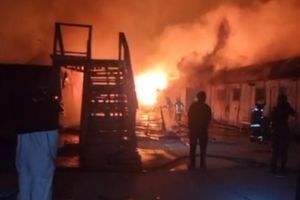 Afghanistan claims 400 killed by Pakistan in strike on Kabul 'drug treatment hospital'
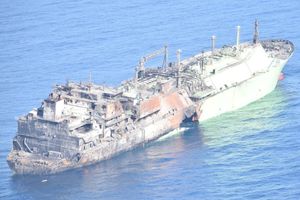 Russian 'shadow fleet' gas tanker adrift in Mediterranean poses 'imminent and serious' threat, EU states say
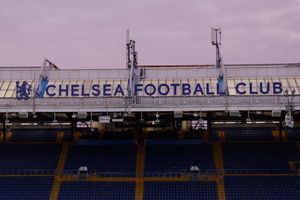 The football world waits for Manchester City verdict after Chelsea fined for 'deception' of Abramovich era
 Kent meningitis outbreak a cruel reminder young people are most at risk
 'Deeper' ties to Europe and AI the best ways to boost economic growth, chancellor to say
 Campaigners say Lake Windermere needs real-time pollution warnings after two swimmers were taken to hospital
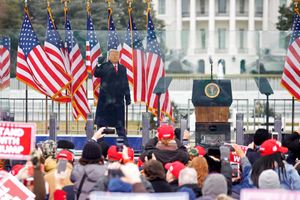 'Chilling' Donald Trump lawsuit should be thrown out, BBC says
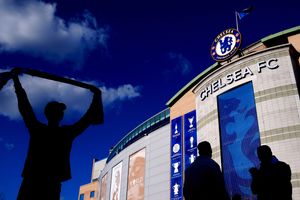 Chelsea given record £10.75m fine and suspended transfer ban over secret payments