



Councillors in North Yorkshire have expressed serious concerns over the impact of the UK government’s decision to increase Employer National Insurance contributions (NICs).
They are worried about the effects this will have both on the council’s own finances and on the vital work done by voluntary sector organisations across the region.
Councillor Peter Lacey, who proposed a motion on the issue, acknowledged the “invaluable work” and “significant added value” of the Voluntary, Community and Social Enterprise (VCSE) sector in North Yorkshire. He highlighted the sector’s role in working with the council to achieve its goals of improving the health and wellbeing of local communities. The motion called on the council to explore all possible avenues for minimising the impact of the NIC increase on VCSE organisations that have contracts or receive grants from the council.
Councillor Lacey, in a speech supporting the motion, explained that while the smallest voluntary and community organisations will not be affected due to protections offered to small businesses, many others will be hit hard. He cited examples like Disability Action Yorkshire, which is facing a £28,000 increase in costs, and Dementia Forward, which is expecting a £54,000 increase. Both organisations rely heavily on the council to deliver services to residents.
Councillor Lacey warned that these charities, and many others like them, could be forced to make staff redundant, offer low or no pay rises, or risk losing staff to better-paid jobs. This, he argued, would inevitably lead to a reduction in the level of services provided by these organisations to some of the region’s most vulnerable people. He called on North Yorkshire Council to take steps to ensure that the council’s budget for 2024/25 protects the VCSE sector from the impact of the NIC increase.
Councillor Gareth Dadd, in a statement on the Chancellor’s Budget, estimated that the NIC changes will cost North Yorkshire Council approximately £8 million per year. He also predicted “knock-on” effects for the council's supply chain, especially in the social care sector, where providers will also be hit with increased costs alongside the rise in the National Living Wage. Councillor Dadd did note that the government has indicated that public bodies will be offered some protection from the NIC increase but was awaiting details on how this would work.
Responding to a question about the issue at a council meeting, Councillor Dadd provided further details, revealing that the estimated cost to the council’s social care providers alone could be as high as £4.5 million.
He also highlighted the fact that very few councils receive less funding for Special Educational Needs and Disabilities (SEND) than North Yorkshire, raising concerns about the government’s proposed funding reforms that will see additional funding allocated using a “deprivation-based approach”.
Councillor Dadd acknowledged that the issue was serious and confirmed that North Yorkshire’s MPs had been briefed and were willing to support the council’s push for fairer funding and funding reform on a cross-party basis.

 Free School Uniform Giveaway Returns To Scarborough This Week
 Salvaged Peasholm Park Illuminations Go On Display After Storm Boelo Cancellations
 Extracurricular Opportunities Set To Expand For Pupils In Scarborough And Whitby
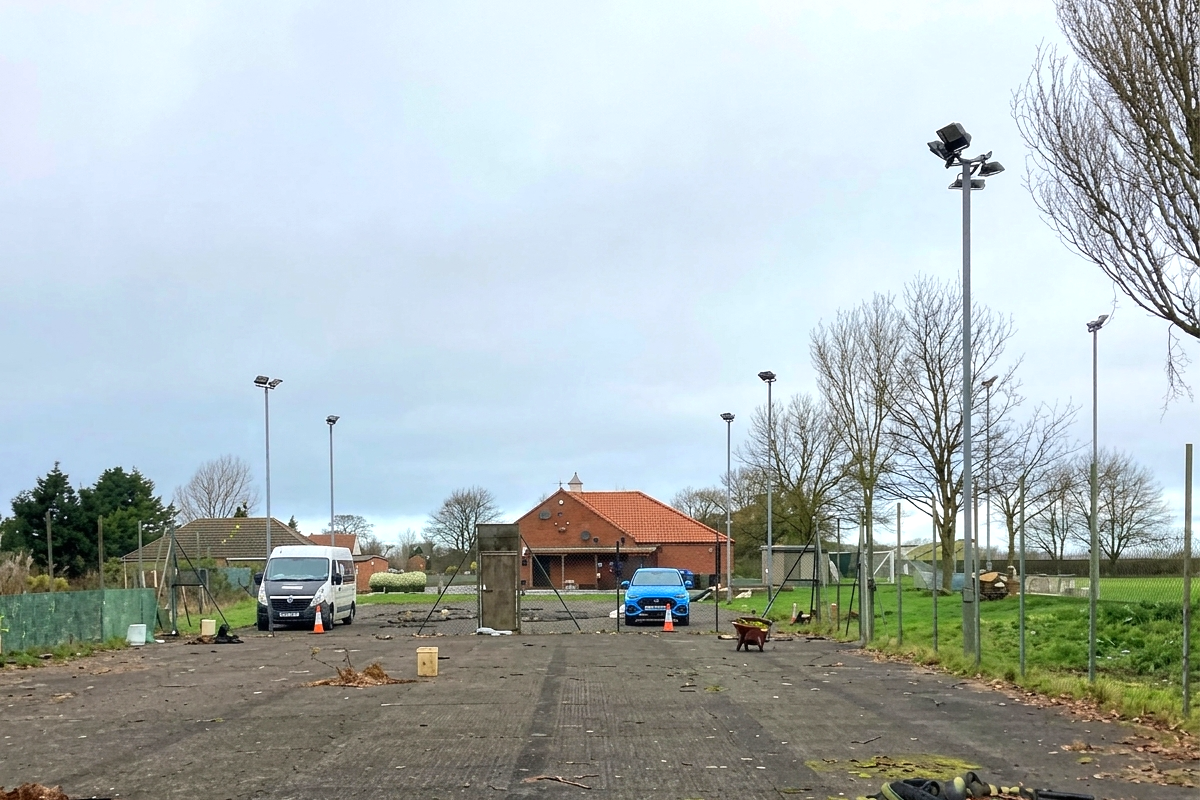 New Floodlit Sports Hub Approved For Hunmanby Playing Fields
 Concerns Public Say On New Housing Reduced As Planning Rules Shift To Officers
 Illegal Vape and Tobacco Sellers Face New Penalties Across North Yorkshire
 Communities Praised After Severe Autumn Storms Batter The Yorkshire Coast
 Future Housing And Jobs To Be Shaped By New County-Wide Blueprint
 Library Light Therapy Kits Roll Out To Tackle Winter Blues In North Yorkshire
 National League North Tests For Bridlington & Scarborough In FA Trophy 2nd Round Draw
 A174 Lythe Bank Closes For Five Days With Replacement Shuttle Buses Serving Whitby
 Lifeboat Crews Battle Storm Boelo After Emergency Beacon Alert Off Flamborough Head












Comments
Add a comment